Een verfijnd aquarelportret van dichtbij van het gezicht van een vrouw met opvallende groene ogen, donker haar en zachte roze tinten op haar wangen en lippen. De vloeiende penseelstreken zorgen voor een elegante, minimalistische uitstraling.. Useful links inside our website help visitors navigate around effectively, keep them interested longer, improve user experience, and even rank better on search engines like Google! High quality internal links are powerful, yet often overlooked aspect of on-page search engine optimization (SEO). Look through your top content pieces today – could you add relevant internal links between them? Let’s dive deeper into why internal linking matters, how it works, and best practices to implement. What is Internal Linking and Why is it Important for SEO? Internal links are hyperlinks that point to another page on the same domain. In simple terms, it's a link from one page on your website to another page on your website. Both readers and search engine crawlers use internal links to find content on your site. Readers use internal links to navigate through your site and find relevant content. Search engines use them to discover new content and understand the relationships between different pages. They also pass link equity (or link juice), which helps search engines understand the importance and authority of a page. Now that we've covered the basics, let's explore why internal linking is crucial for SEO. Boosts Site Architecture and Crawlability Search engine bots, like Googlebot, crawl your website by following links. An interconnected network of internal links creates a clear site architecture, making it easier for crawlers to index all your pages, especially the deeper ones. Without internal links, some pages might become

 Op palet
 Zwart & Wit
 Kleurrijk
 Blauw Gevoel
 Gouden Touch
 Purple Reign
 Burnt Orange
 In the Pink
 Seeing Red
 Evergreen
 Kaarten & Stadsliefhebbers
 Landschap & Natuur
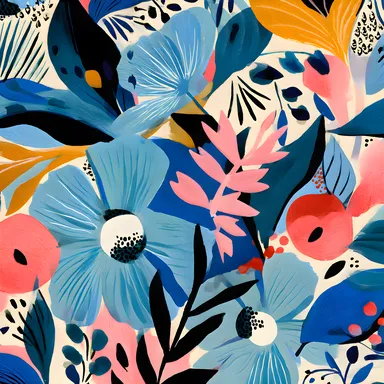 Botanisch & Floraal
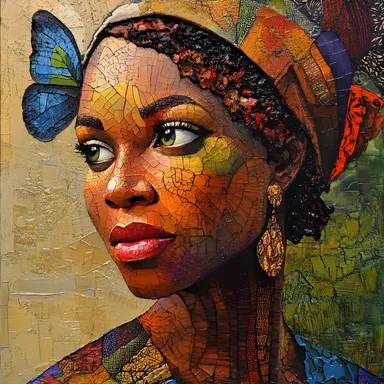 Figuratief & Portretten
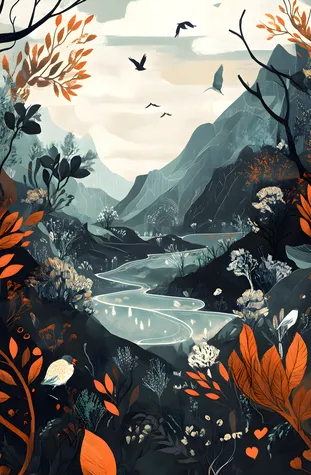 Reizen
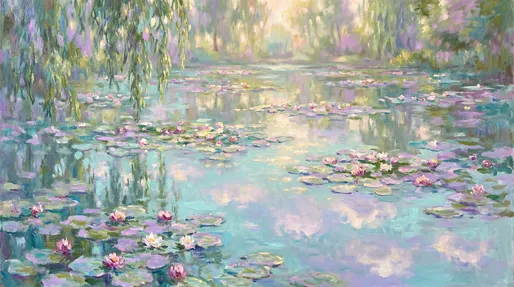 Vintage & Beroemde Kunst
 Fotografie
 Abstract
 Aquarellen
 Lijnkunst
 Pastellen
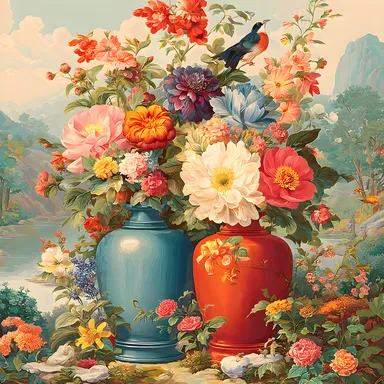 Vintage & Retro
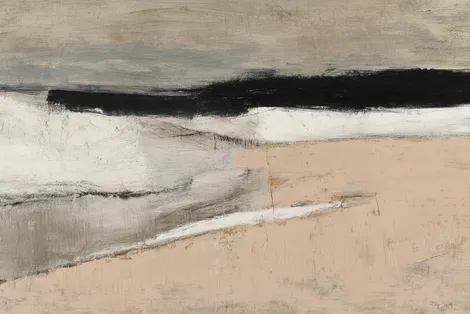 Minimalistisch
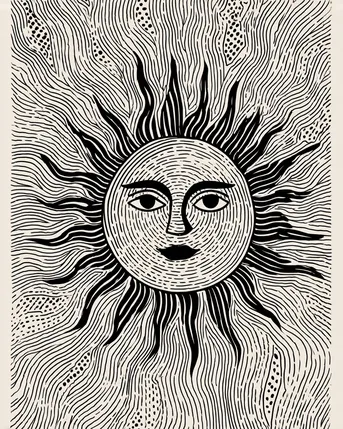 Blokdruk & linosnede
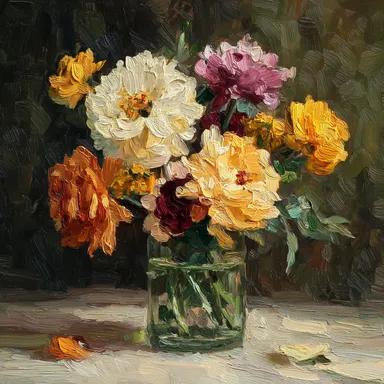 Impasto & textuur
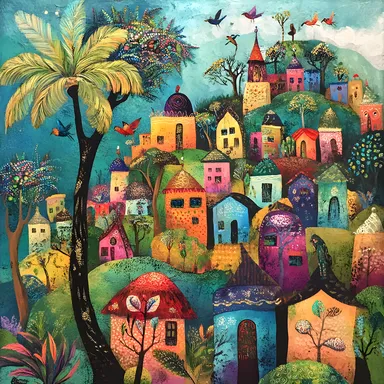 Folk & naïef
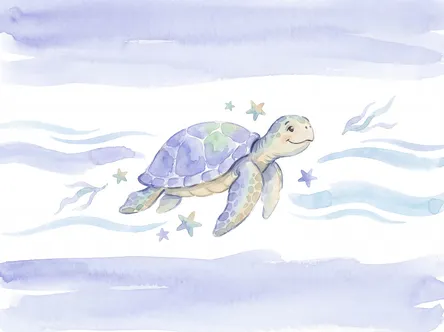 Per Kamer
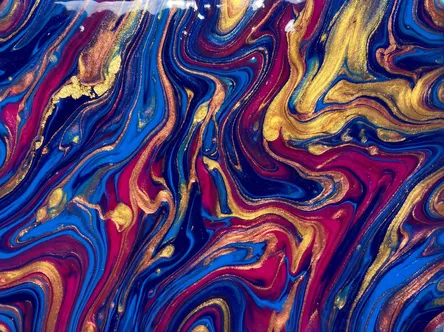 Woonkamer
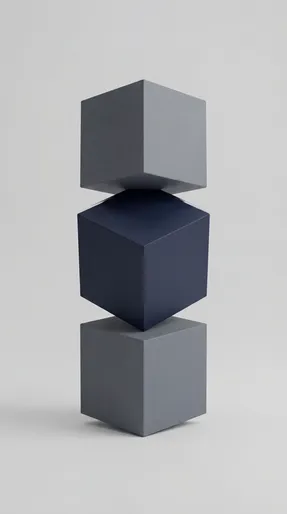 Slaapkamer
 In the Office
 Keuken
 Babykamer
 Kinderkamer
 In de Badkamer
 For Your Business
 By Colour
 Botanical & Floral
 Maps & Cities
 Line Art & Figures
 Minimalistisch & modern
 Vintage & retro
 Bloemen & botanisch
 Katten & dieren
 Abstract & geometrisch
 Botanisch
 Viervoetige Vrienden
 Landschappen
 Fotografie
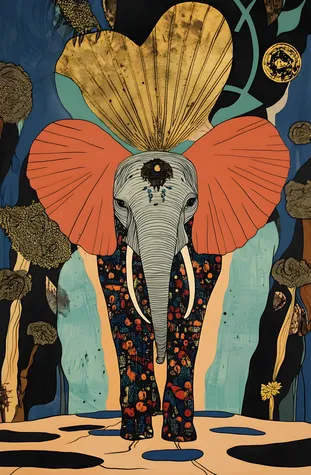 Pop Art & Gedurfde Grafiek
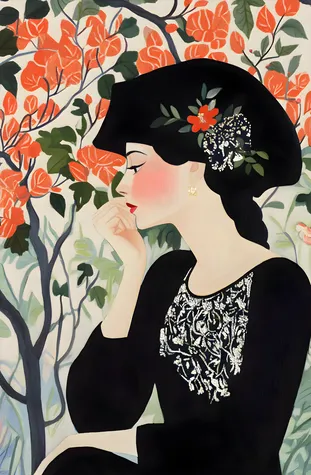 Art Nouveau
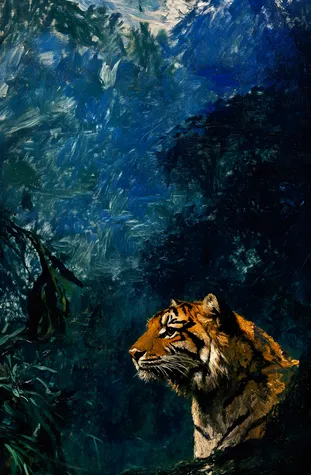 De Impressionisten
 Monochroom
 Dinosaurussen