Home Decor Ideas with Original Art
Art is the simplest way to change the personality of a room without repainting walls or replacing furniture. Here are practical ideas for using original artwork to elevate every corner of your home.
Gallery Wall Tips
A gallery wall is one of the most impactful ways to display art, turning a blank wall into a curated collection that tells a story. Here is how to build one that looks intentional rather than haphazard:
Choose a Layout
- Grid layout: Equal-sized prints hung in neat rows and columns. Clean, modern, and easy to execute. Works well with 4, 6, or 9 prints of the same size from a single Minimalist or Geometric collection.
- Salon style: Mixed sizes arranged organically around a central point. More dynamic and eclectic. Start with the largest piece at eye level and build outward.
- Horizontal line: Prints of varying sizes aligned along a single horizontal center line. Perfect for hallways and above staircases.
Spacing and Placement
Keep 2-3 inches between frames for a cohesive look. Hang the center of the arrangement at eye level (approximately 57-60 inches from the floor). Before committing to nails, trace each piece on paper, cut the shapes out, and tape them to the wall to preview the layout.
Choosing Pieces
A gallery wall works best with a unifying thread: shared color palette, shared style, or shared subject. For example, five watercolor botanicals in different sizes create a cohesive display. Alternatively, mix styles but keep to a tight color palette of two or three dominant colors.
Mixing and Matching Styles
Combining different art styles adds depth and personality to your home. The key is creating contrast with intention rather than clashing by accident.
Pairings That Work
- Abstract + Minimalist: The energy of abstract balanced by the calm of minimalism. Use abstract as the statement piece and minimalist prints as supporting players.
- Vintage + Floral: A natural pairing that evokes cottage charm. Mix vintage textures with floral subjects for a romantic, layered look.
- Geometric + Pop Art: Both are graphic in nature but with different energy levels. Geometric provides structure while pop art brings personality.
- Impressionist + Landscape: A classic combination. The painterly quality of impressionist work and the subject matter of landscape art are natural companions.
Room-to-Room Variation
Each room can have its own style identity. A minimalist bedroom can coexist with a pop-art living room and a vintage-themed kitchen. Let each space express a different facet of your taste while maintaining quality and originality as the common thread.
Color Coordination
Art is the easiest way to introduce or reinforce a color scheme in a room. Here is how to use it strategically:
Pull Colors from What You Have
Look at your existing rug, throw pillows, or curtains. Choose art that picks up one or two of those accent colors. This creates a sense of design cohesion without matching everything exactly, which would look overly staged.
Introduce a New Accent
If your room feels monotone, use art to inject a new accent color. A bold abstract piece with a splash of teal in an otherwise neutral room creates an instant focal point. Then echo that teal in one or two small accessories (a vase, a candle) for a pulled-together look.
Neutral Art for Colorful Rooms
If your room already has bold colors in furniture and textiles, choose art with a muted or monochromatic palette. Black-and-white minimalist prints or soft watercolors provide visual breathing room.
Seasonal Refreshes
One of the simplest and most affordable ways to refresh a room is to rotate your art with the seasons. Paper art prints from TheStillCat make this easy because they are lightweight, affordable, and designed to be swapped in and out of a frame.
Beyond art, complete the seasonal look by coordinating your throw pillows and mugs with the same palette for a cohesive refresh that costs a fraction of redecorating.

 By Palette
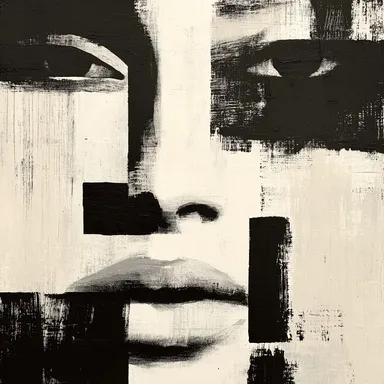 Black & White
 Colorful
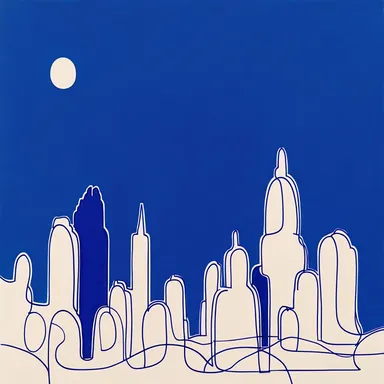 Feeling Blue
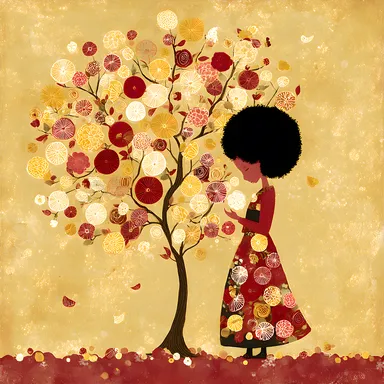 Golden Touch
 Purple Reign
 Burnt Orange
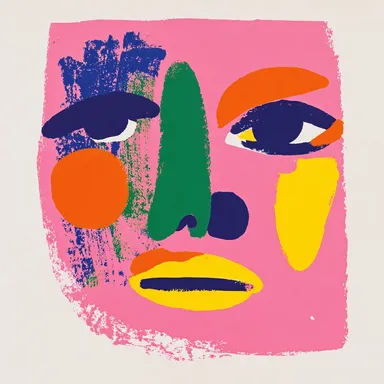 In the Pink
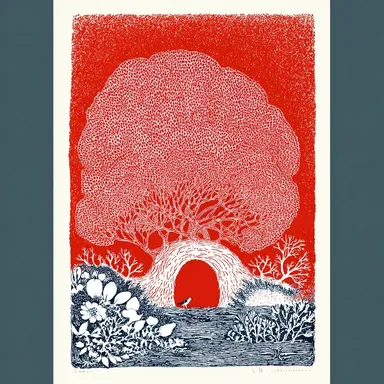 Seeing Red
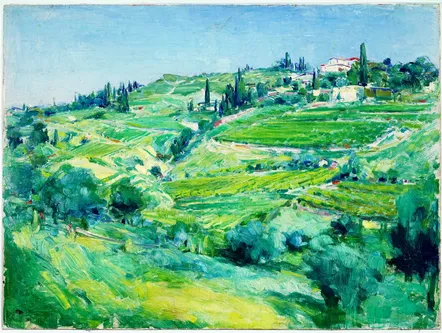 Evergreen
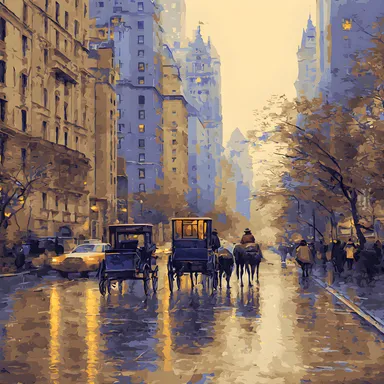 Maps & City Lovers
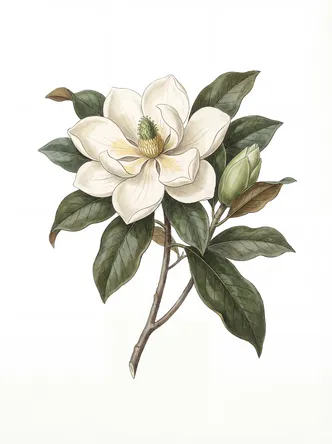 Landscape & Nature
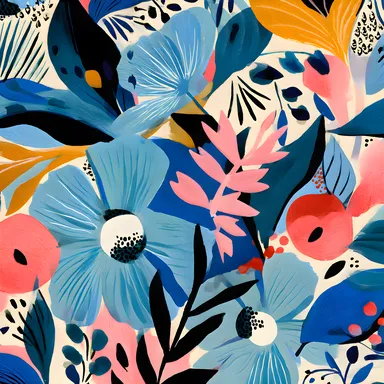 Botanical & Floral
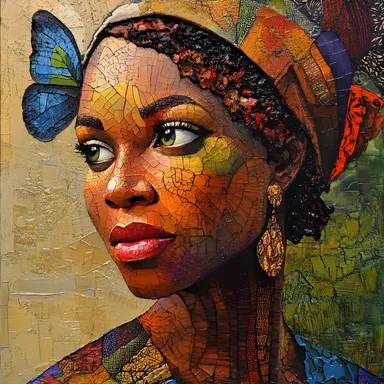 Figurative & Portraits
 Travel
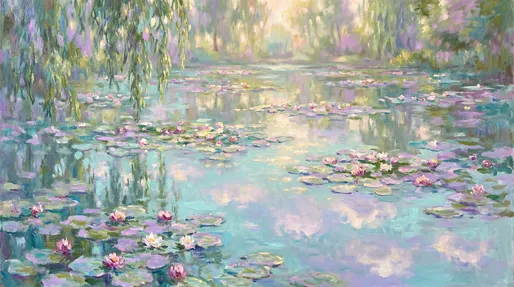 Vintage & Famous Art
 Photography
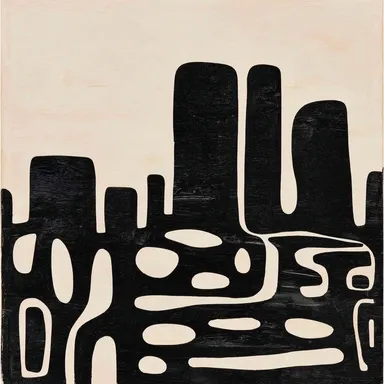 Abstract
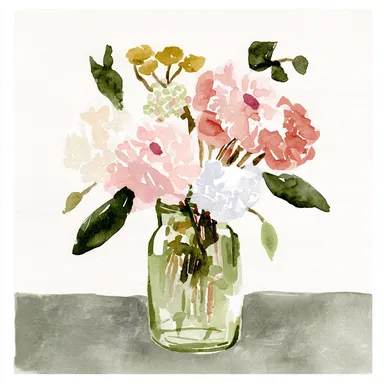 Watercolors
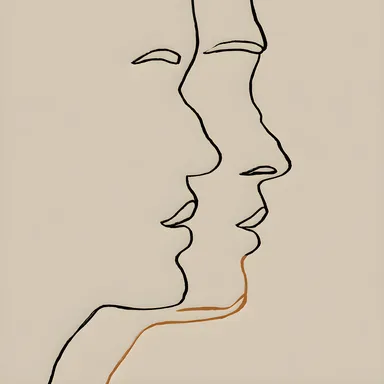 Line Art
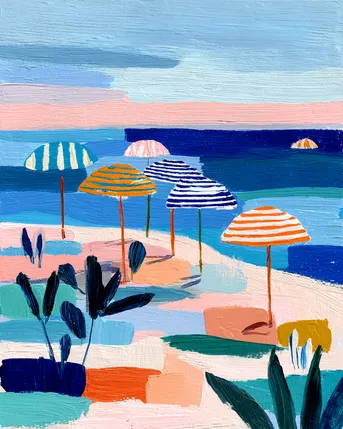 Pastels
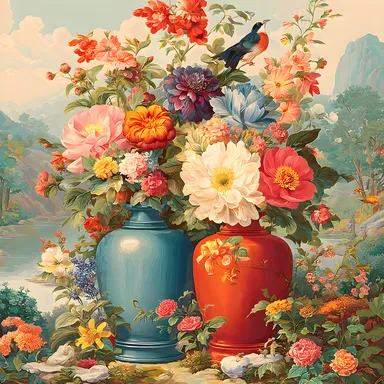 Vintage & Retro
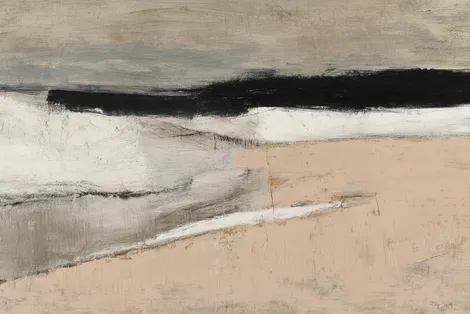 Minimalist
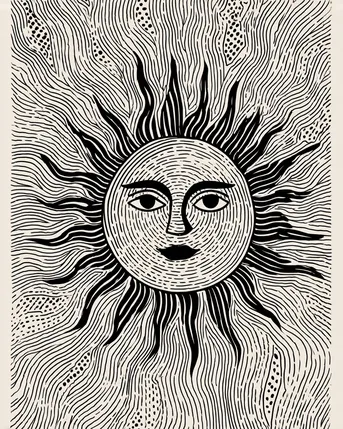 Block Prints & Linocuts
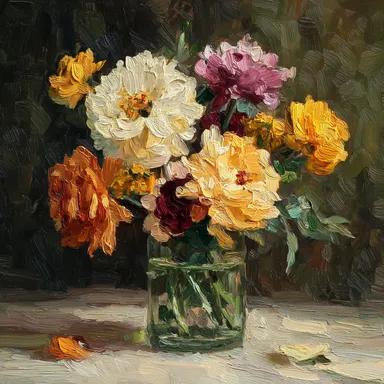 Impasto & Texture
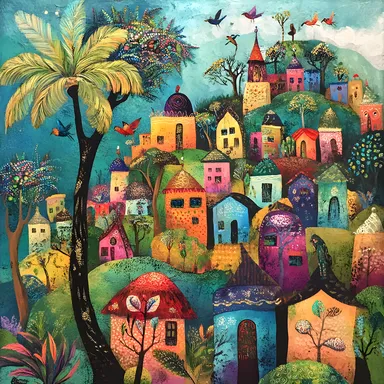 Folk & Naive
 By Room
 Living Room
 Bedroom
 In the Office
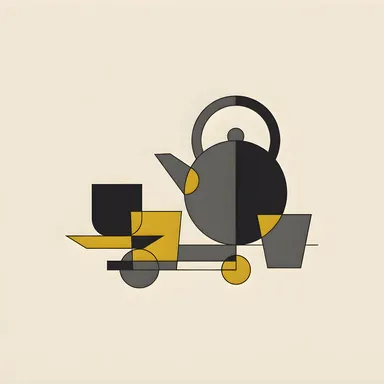 Kitchen
 Nursery Room
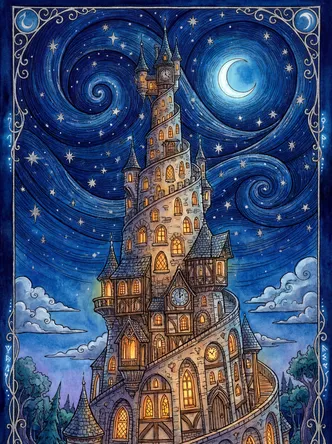 Children's Room
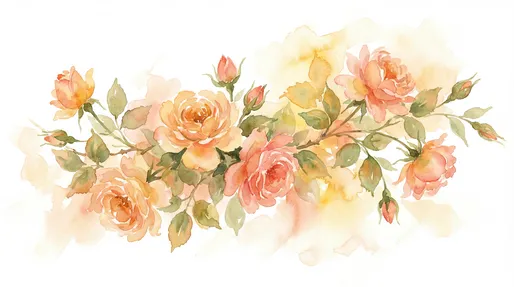 In the Bathroom
 For Your Business
 By Colour
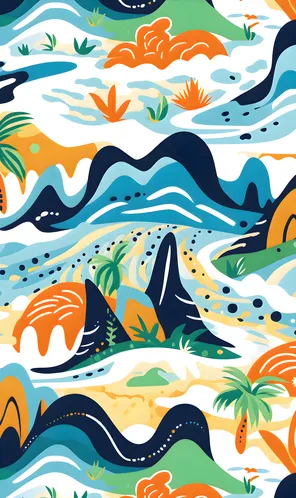 Botanical & Floral
 Maps & Cities
 Line Art & Figures
 Minimalist & Modern
 Vintage & Retro
 Floral & Botanical
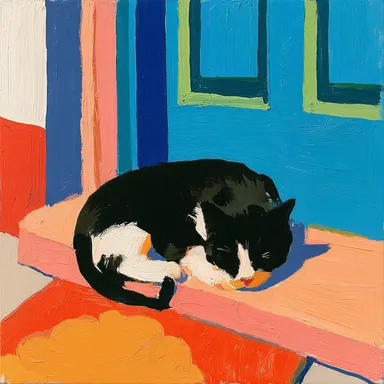 Cats & Animals
 Abstract & Geometric
 Botanical
 Four-Legged Friends
 Landscapes
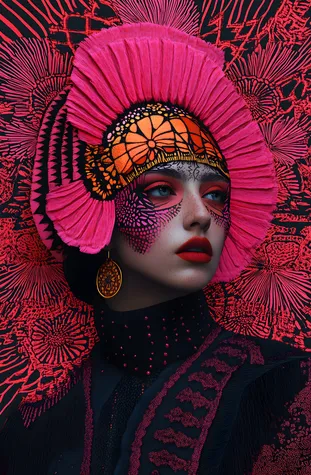 Photography
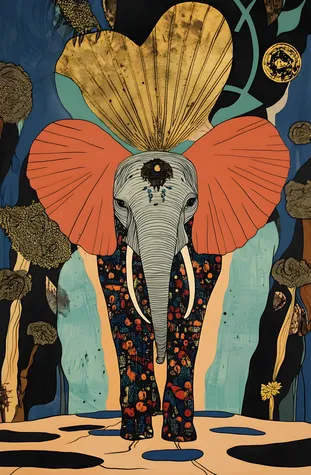 Pop Art & Bold Graphics
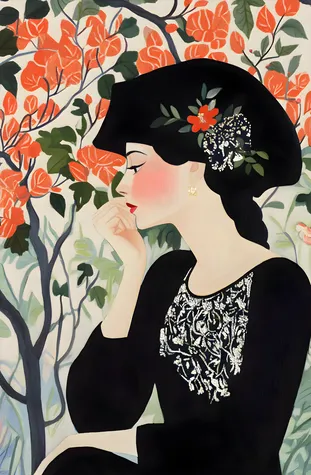 Art Nouveau
 The Impressionists
 Monochromes
 Dinosaurs