Art Styles Explained: Find Your Perfect Match
Not sure what style of art speaks to you? This guide walks through the most popular styles available at TheStillCat, what defines each one, and where it works best in your home.
Jump to a Style
Abstract
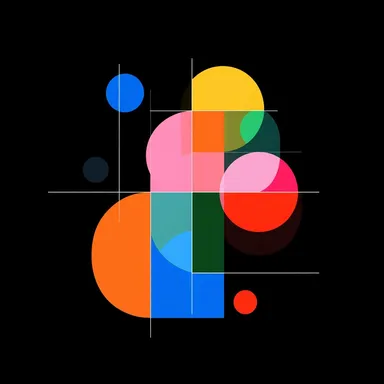
Abstract art uses shape, color, and form to create compositions independent of real-world references. It ranges from subtle, flowing forms to bold geometric explosions. Abstract pieces are versatile conversation starters that let viewers bring their own interpretation.
Best for: Modern living rooms, creative offices, and eclectic spaces. Abstract works well above sofas, as statement pieces, or in gallery wall arrangements where you want visual energy.
Minimalist
Minimalist art strips design down to its essentials. Clean lines, restrained palettes, and generous negative space define this style. It follows the principle that less is more, creating calm and clarity through simplicity.
Best for: Scandinavian and japandi interiors, small apartments where you want art without visual clutter, and bedrooms where serenity is the priority.
Watercolor
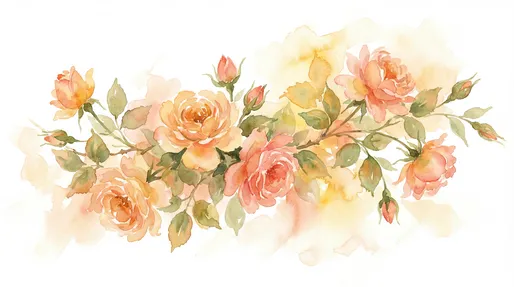
Watercolor art features soft, translucent washes of color that bleed and blend naturally. The style has an organic, handmade quality that digital precision cannot replicate. Florals, landscapes, and abstract compositions are common watercolor subjects.
Best for: Traditional and transitional rooms, bedrooms, nurseries, and bathrooms. Watercolor brings softness to any space and pairs beautifully with neutral furnishings.
Impressionist
Inspired by masters like Monet and Renoir, impressionist art captures light, atmosphere, and feeling rather than precise detail. Visible brushstrokes and luminous color create scenes that seem to glow. Landscapes, gardens, and water scenes are classic impressionist subjects.
Best for: Dining rooms, living rooms, and any traditional space that benefits from warmth and romantic atmosphere. Impressionist pieces bring a sense of timeless elegance.
Pop Art
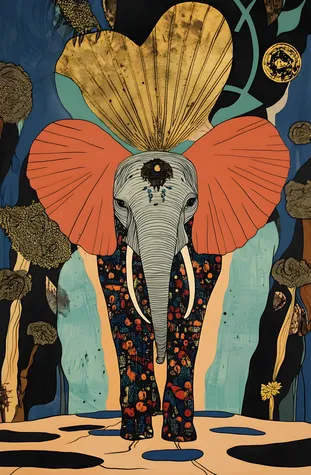
Pop art is bold, graphic, and unapologetically vibrant. Drawing from advertising, comics, and consumer culture, it uses saturated colors, strong outlines, and graphic patterns to make an impact. Pop art refuses to be ignored.
Best for: Entertainment rooms, teen bedrooms, creative studios, and any space that needs an injection of energy and personality. Pop art works especially well as a single statement piece against a neutral wall.
Geometric
Geometric art builds compositions from mathematical shapes: circles, triangles, hexagons, and intricate tessellations. The result is precise, orderly, and visually satisfying. Color palettes range from monochromatic to vivid gradients.
Best for: Modern offices, tech-forward spaces, and contemporary homes. Geometric art appeals to analytical minds and complements furniture with clean architectural lines.
Vintage
Vintage art evokes the aesthetics of past decades through aged textures, muted tones, and period-specific motifs. It carries a sense of nostalgia and history, often incorporating botanical illustrations, antique maps, or retro typography.
Best for: Cottagecore kitchens, reading nooks, home libraries, and spaces decorated with antique or reclaimed furniture. Vintage prints add warmth and character.
Retro
Retro art channels the design language of the 1950s through 1980s: bold color blocking, stylized typography, sunburst patterns, and space-age optimism. It is playful, nostalgic, and immediately recognizable.
Best for: Mid-century modern homes, home bars, game rooms, and kitchens. Retro prints are excellent as a set of two or three coordinated pieces for a themed display.
Landscape and Nature
Nature art captures the beauty of mountains, forests, oceans, and skies. Whether rendered in photorealistic detail or loose painterly strokes, landscape pieces bring the outdoors inside and create a connection to the natural world.
Best for: Living rooms, vacation homes, cabins, and any space where you want to create a sense of openness and calm. Large-format landscape prints make dramatic focal points.
Floral
Floral art celebrates flowers and botanical subjects through every lens: from delicate botanical illustrations to bold, oversized blooms. Color palettes range from soft pastels to vivid tropical hues, making floral one of the most adaptable styles.
Best for: Bedrooms, bathrooms, entryways, and dining rooms. Floral art pairs naturally with both traditional and contemporary decor and can be seasonal or year-round.
How to Discover Your Style
If you are still unsure which style resonates with you, try this simple exercise:
- Look around the room where you want to hang art. Notice the dominant colors, the furniture lines (straight or curved), and the overall mood.
- Think about how you want the space to feel. Energized? Calm? Sophisticated? Playful? Each feeling maps to different styles.
- Browse two or three collections above and save any piece that catches your eye. A pattern will emerge quickly.
- Do not overthink it. Art is personal and there are no wrong answers. If a piece makes you pause and look twice, that is the one.
You can also mix styles within a home. A minimalist bedroom and a pop art living room can coexist beautifully. The key is consistency within each room.

 By Palette
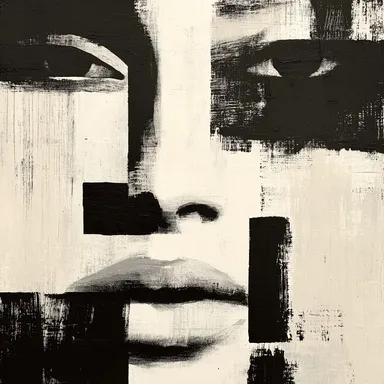 Black & White
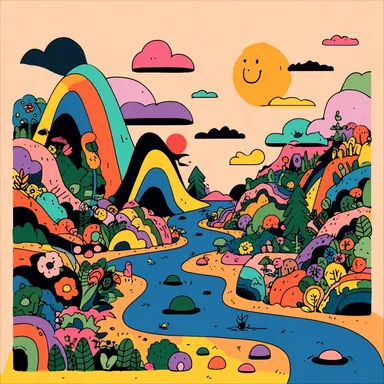 Colorful
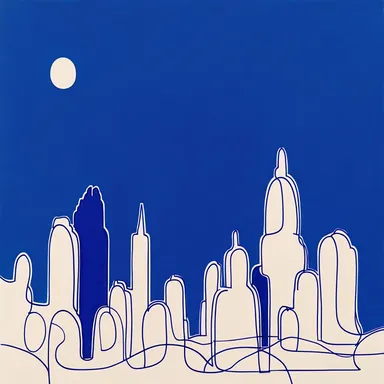 Feeling Blue
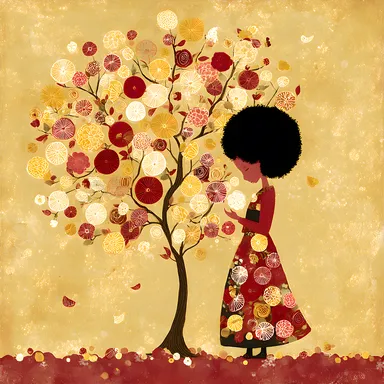 Golden Touch
 Purple Reign
 Burnt Orange
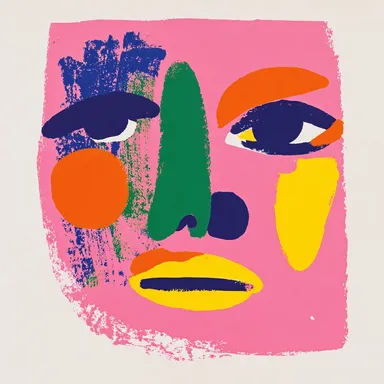 In the Pink
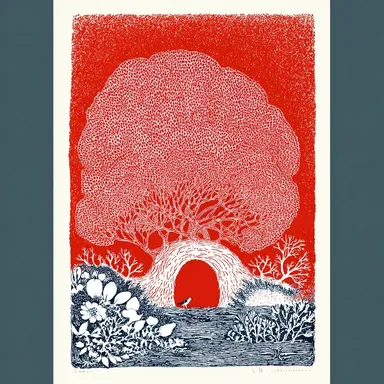 Seeing Red
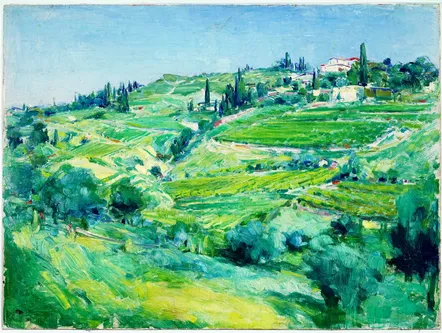 Evergreen
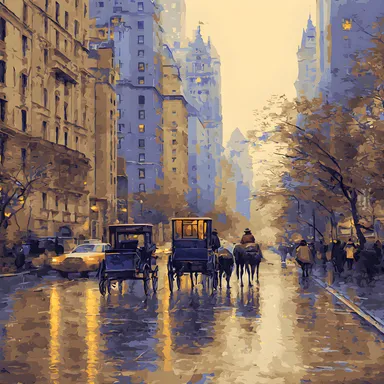 Maps & City Lovers
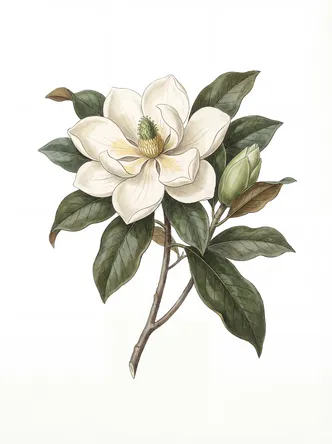 Landscape & Nature
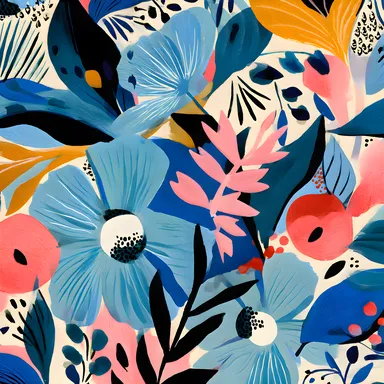 Botanical & Floral
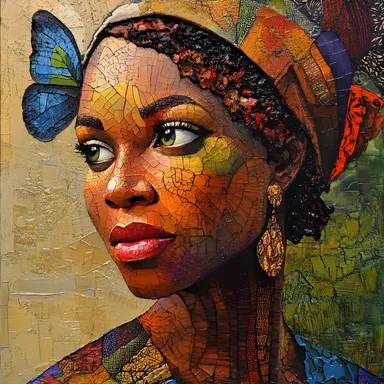 Figurative & Portraits
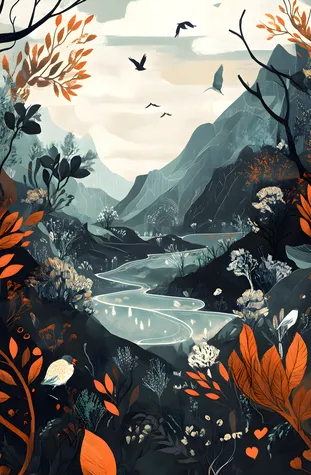 Travel
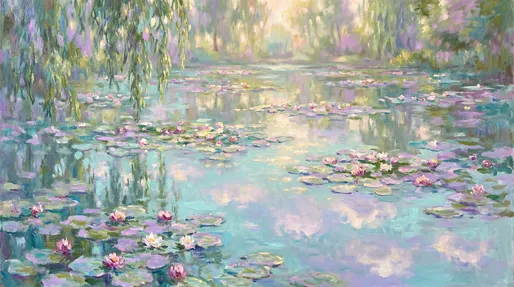 Vintage & Famous Art
 Photography
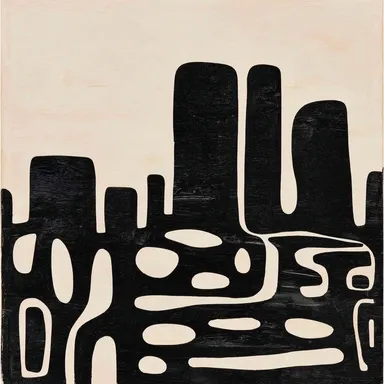 Abstract
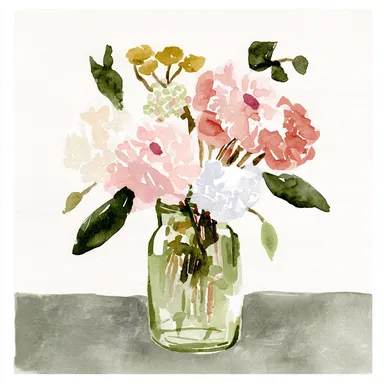 Watercolors
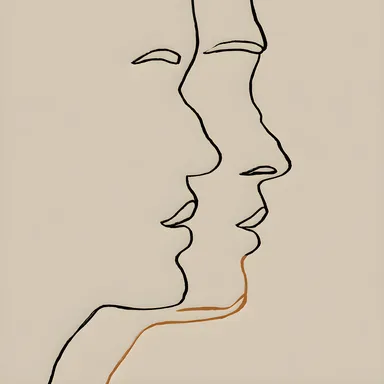 Line Art
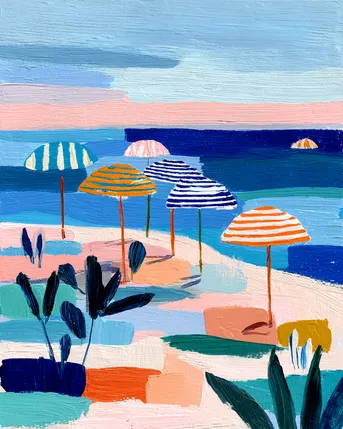 Pastels
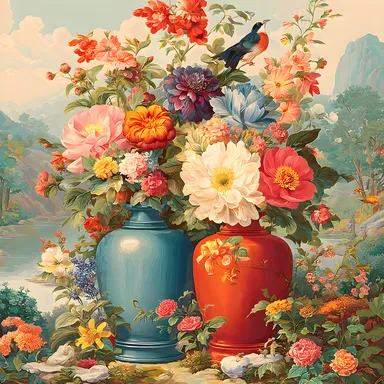 Vintage & Retro
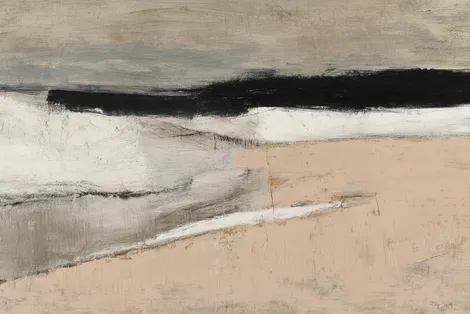 Minimalist
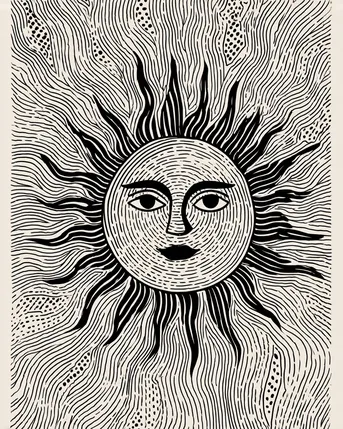 Block Prints & Linocuts
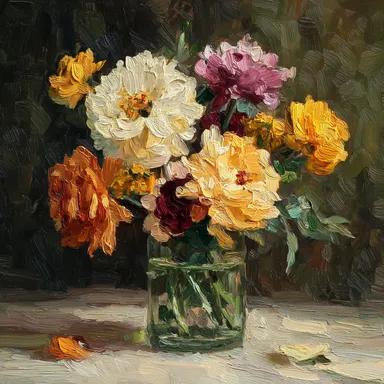 Impasto & Texture
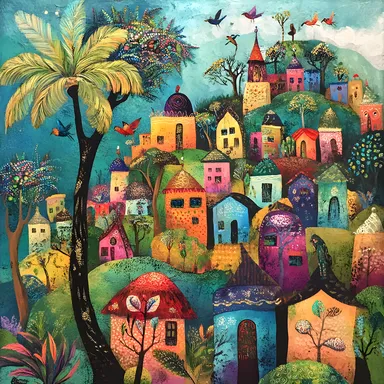 Folk & Naive
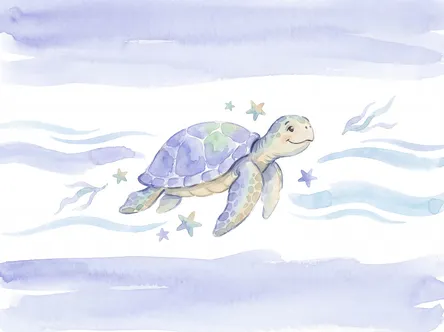 By Room
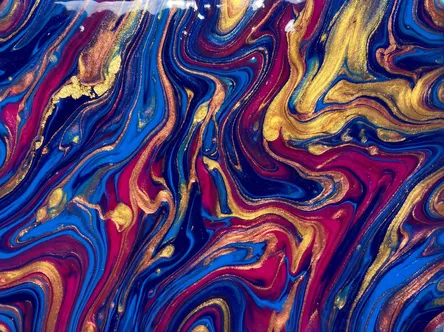 Living Room
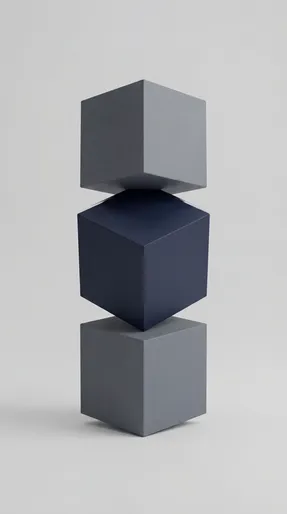 Bedroom
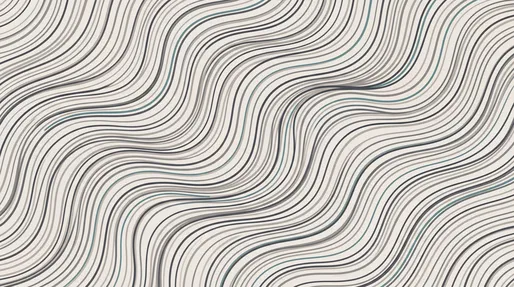 In the Office
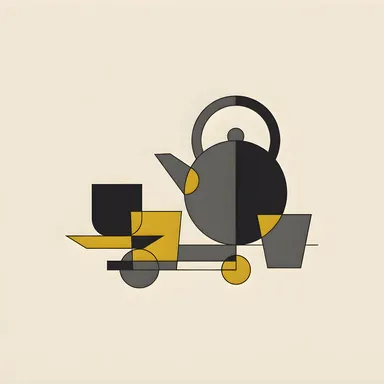 Kitchen
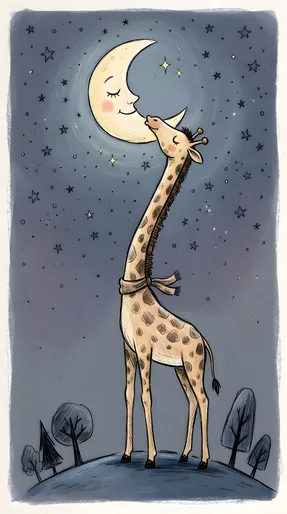 Nursery Room
 Children's Room
 In the Bathroom
 For Your Business
 By Colour
 Botanical & Floral
 Maps & Cities
 Line Art & Figures
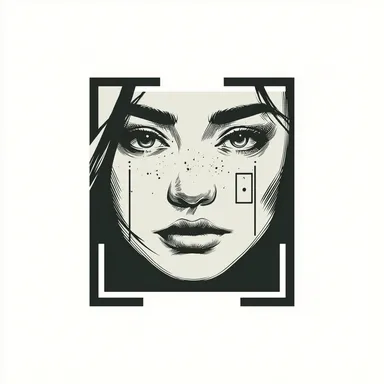 Minimalist & Modern
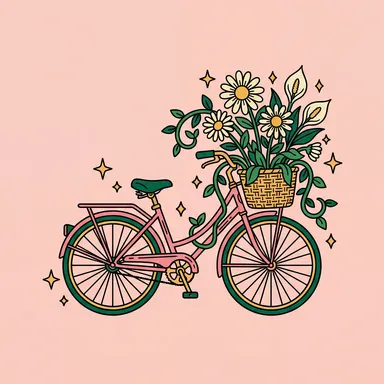 Vintage & Retro
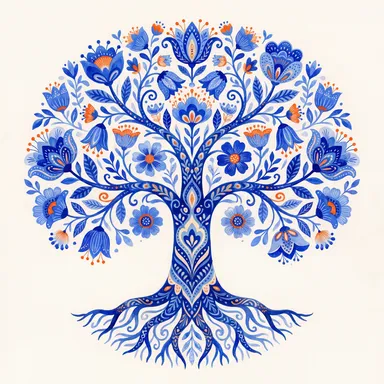 Floral & Botanical
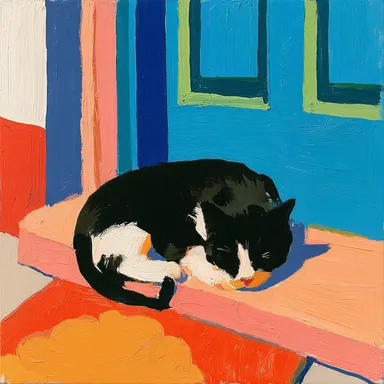 Cats & Animals
 Abstract & Geometric
 Botanical
 Four-Legged Friends
 Landscapes
 Photography
 Pop Art & Bold Graphics
 Art Nouveau
 The Impressionists
 Monochromes
 Dinosaurs