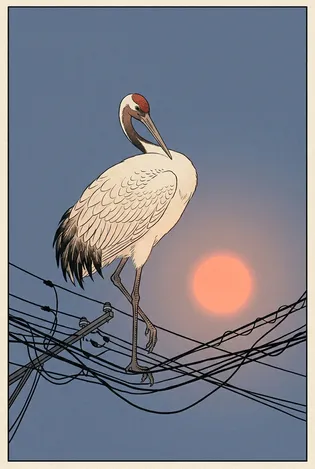
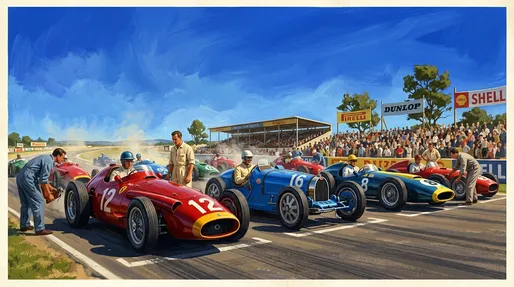
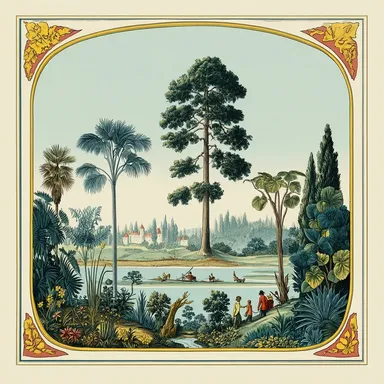
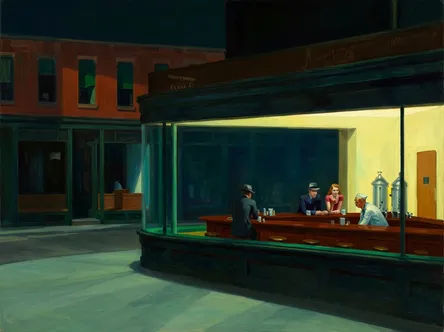
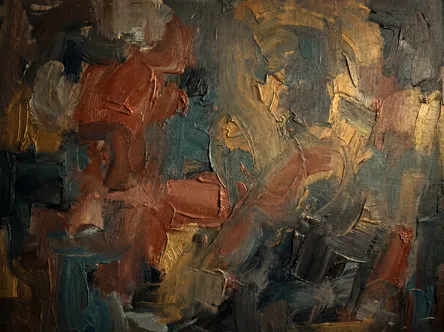
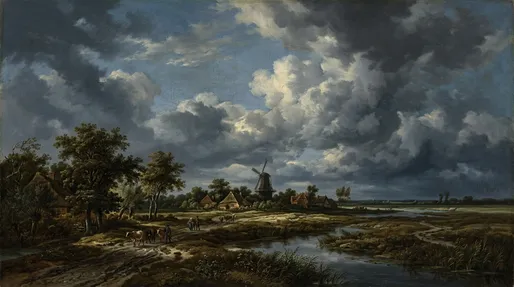
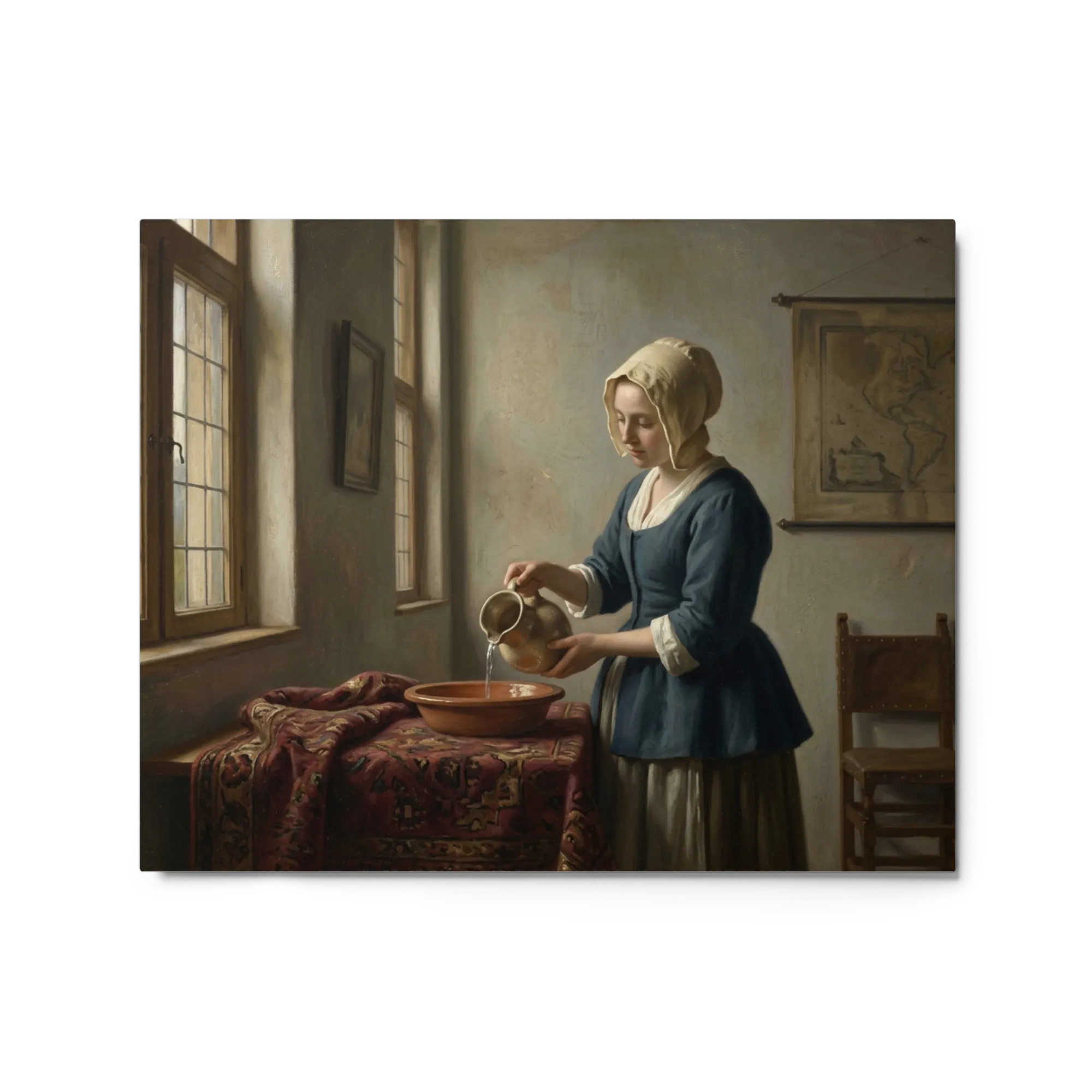
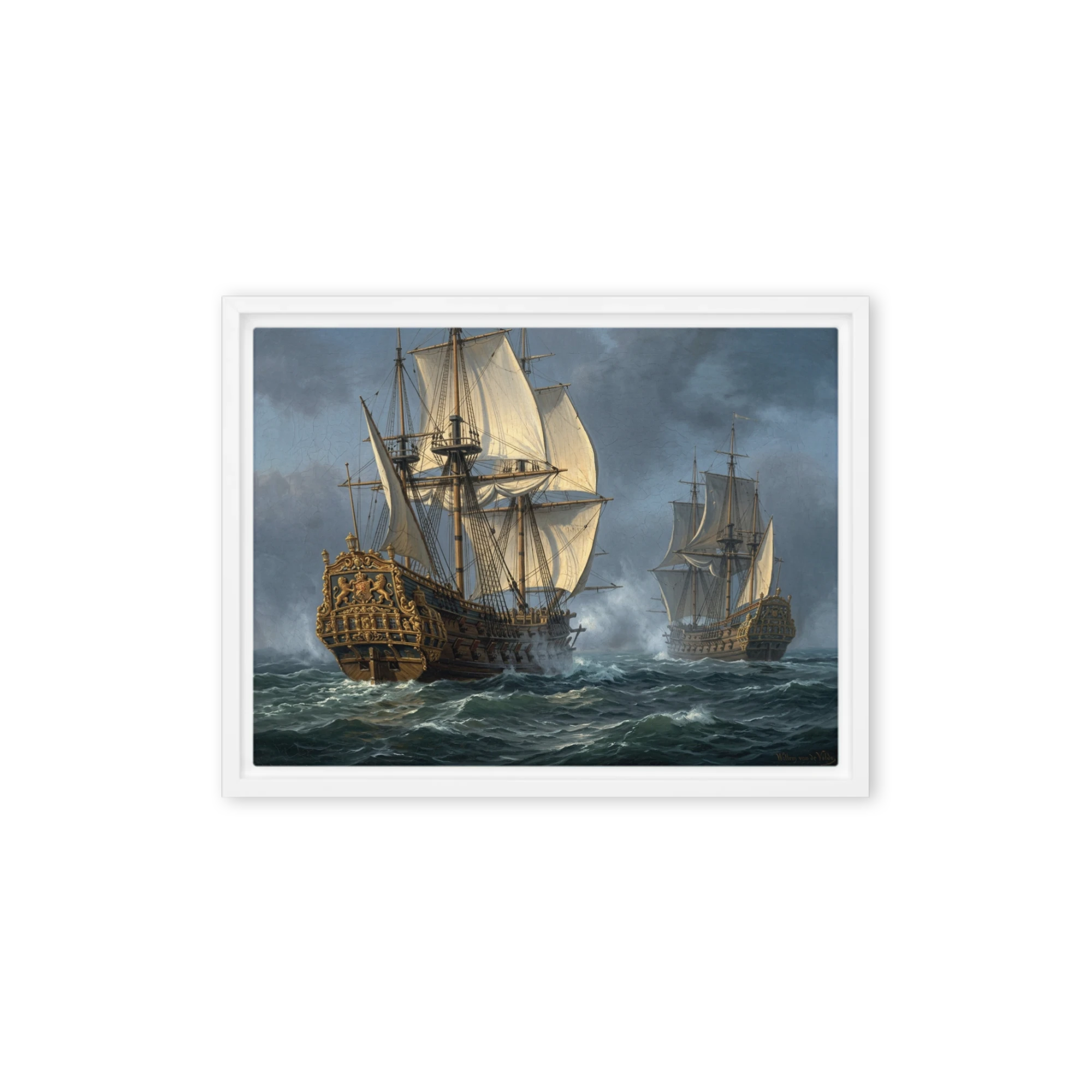
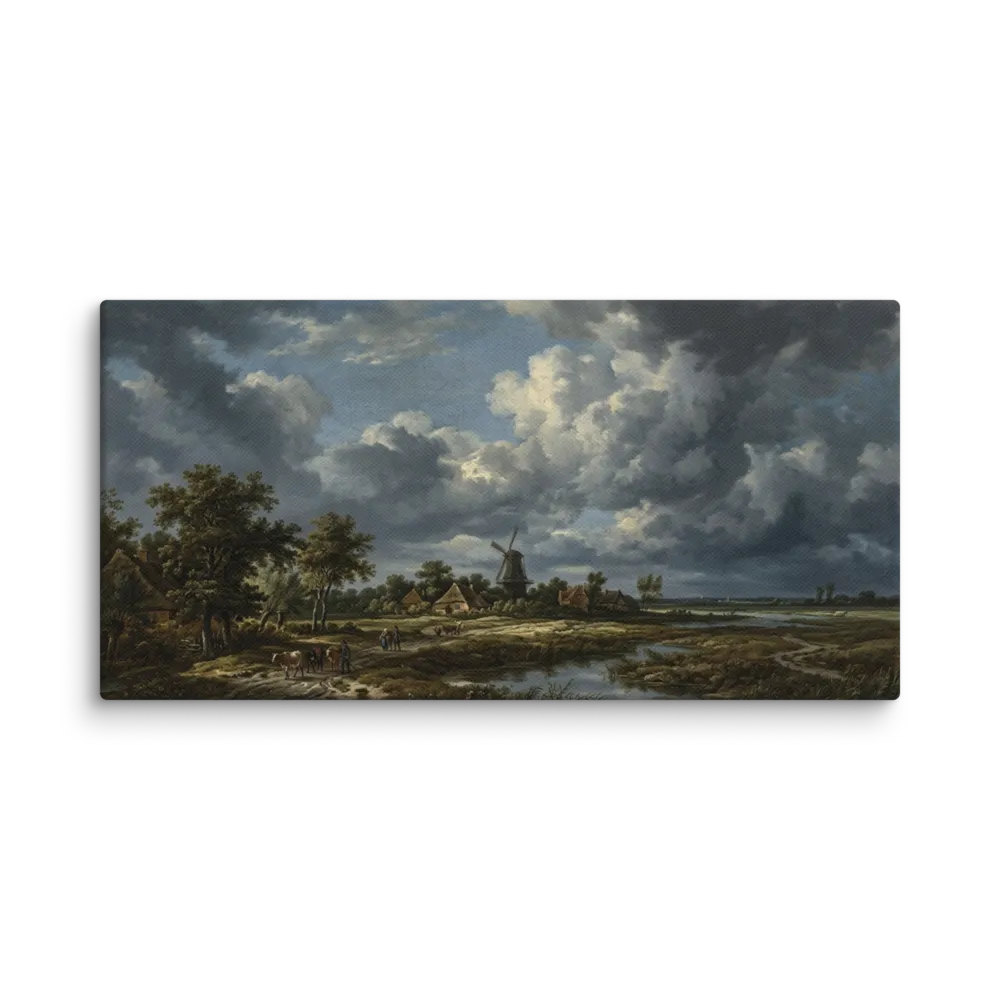
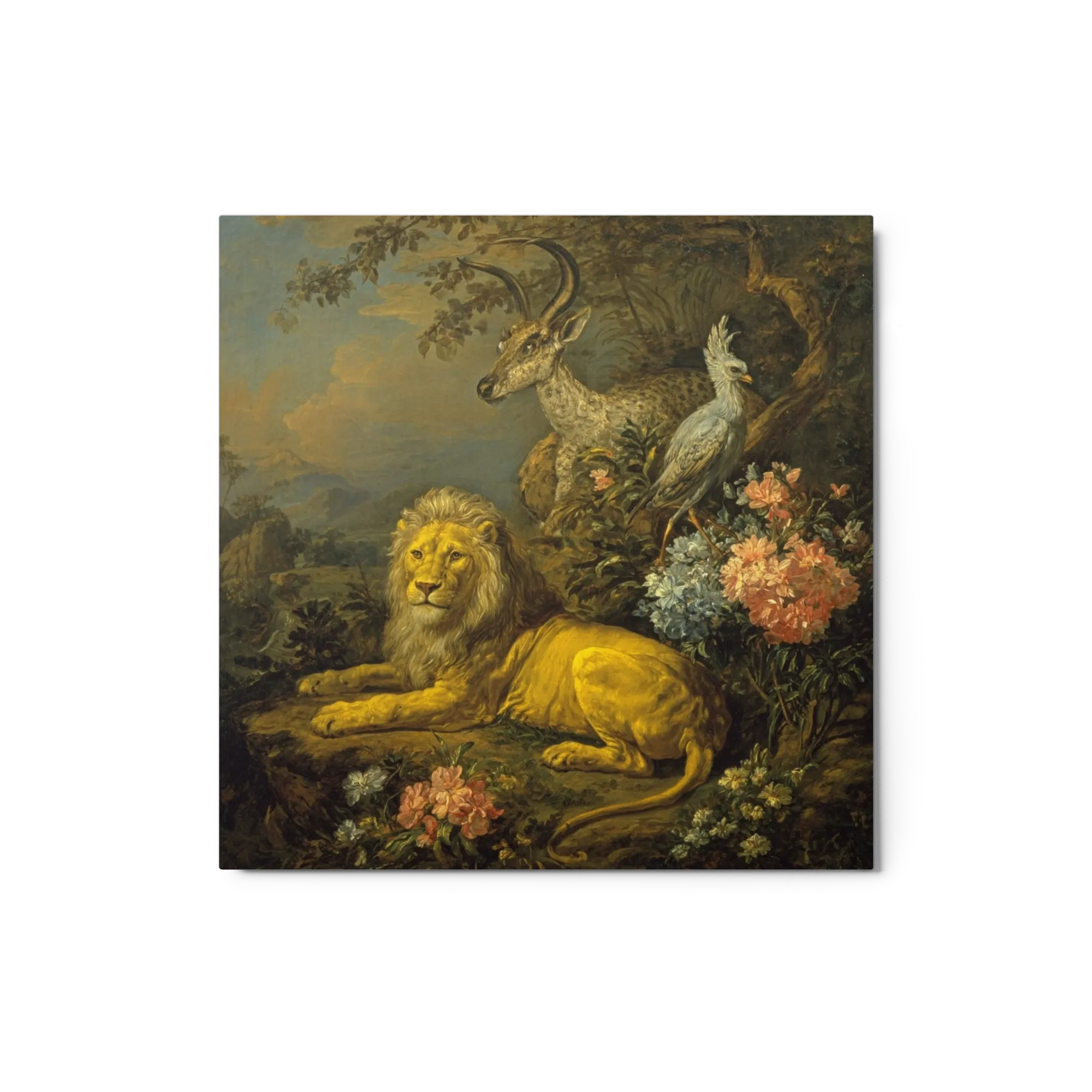
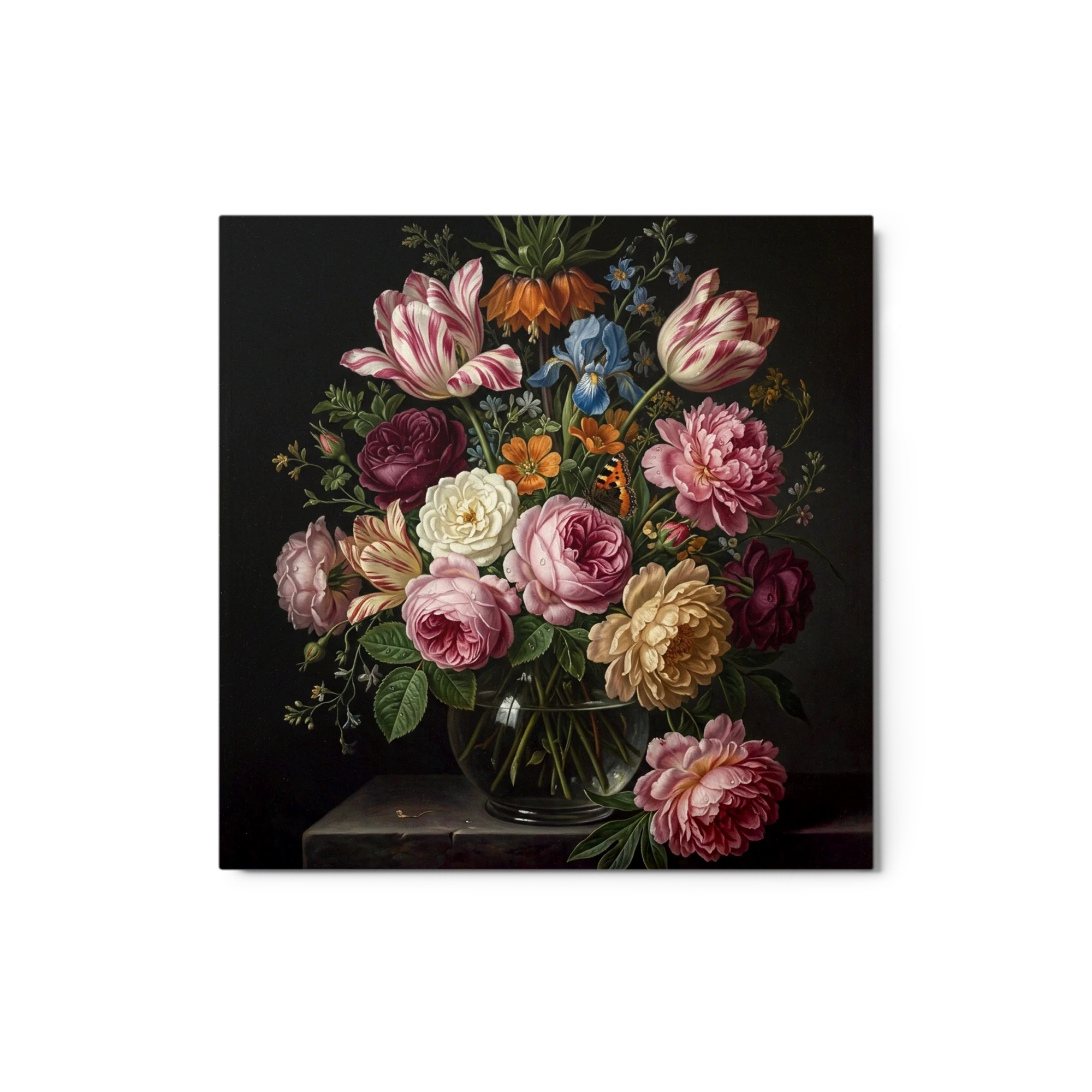
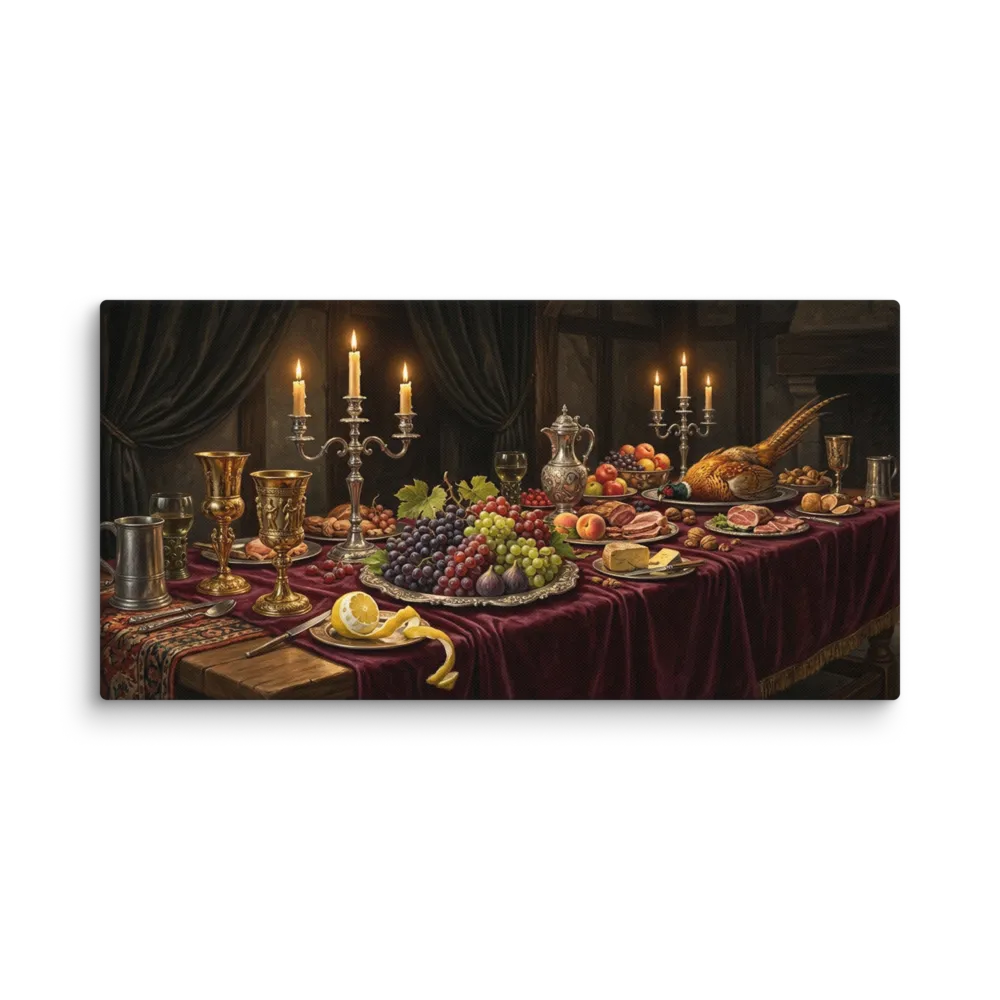
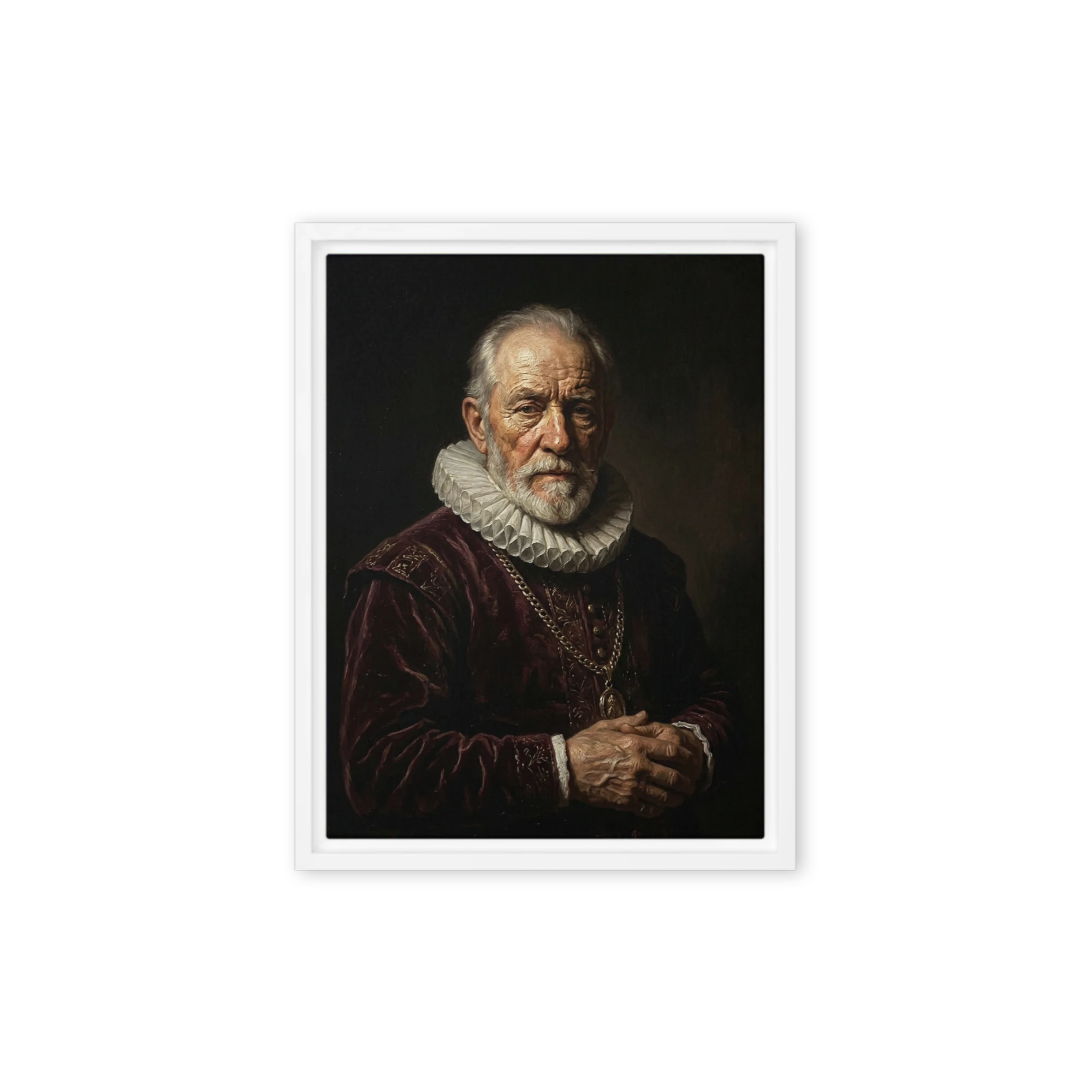
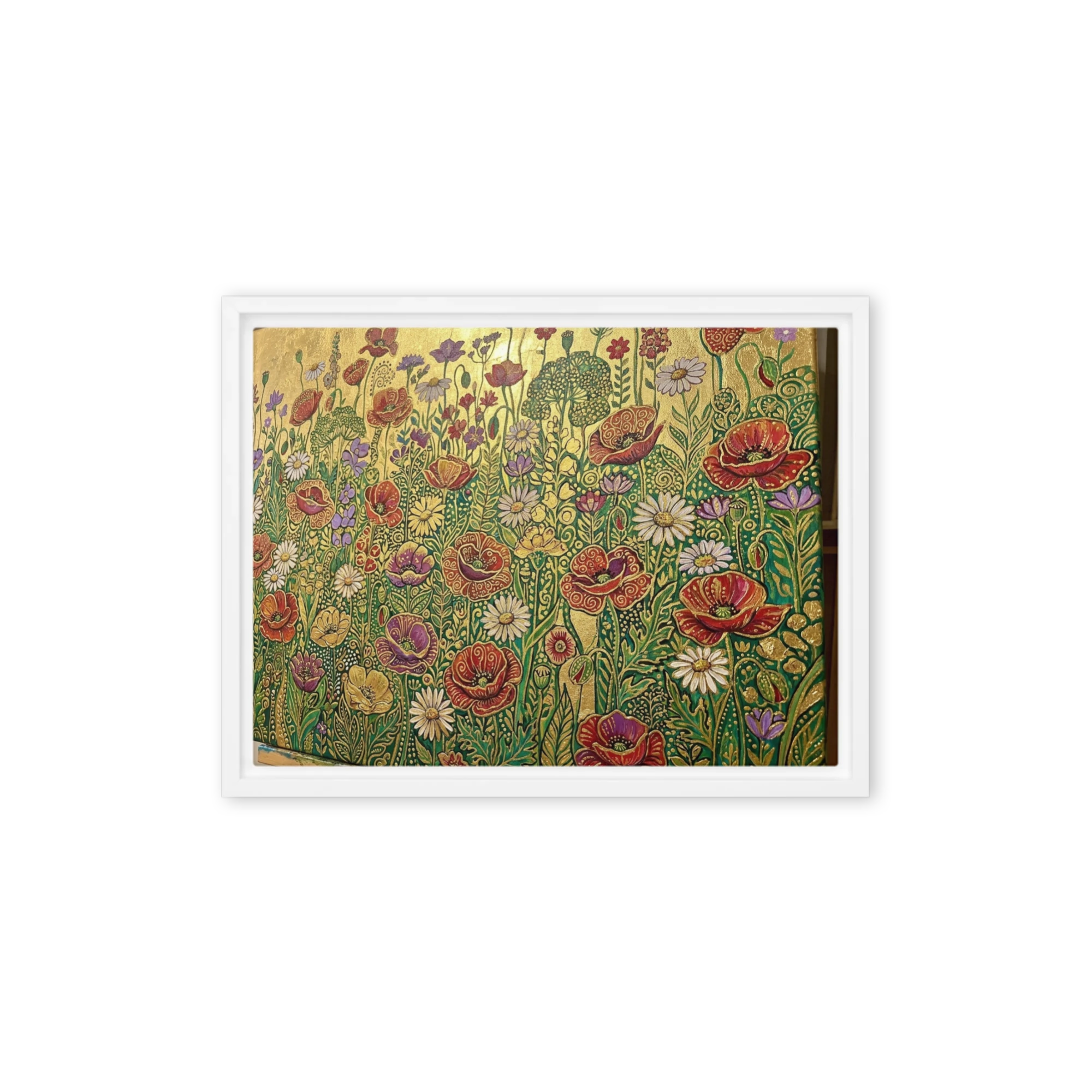
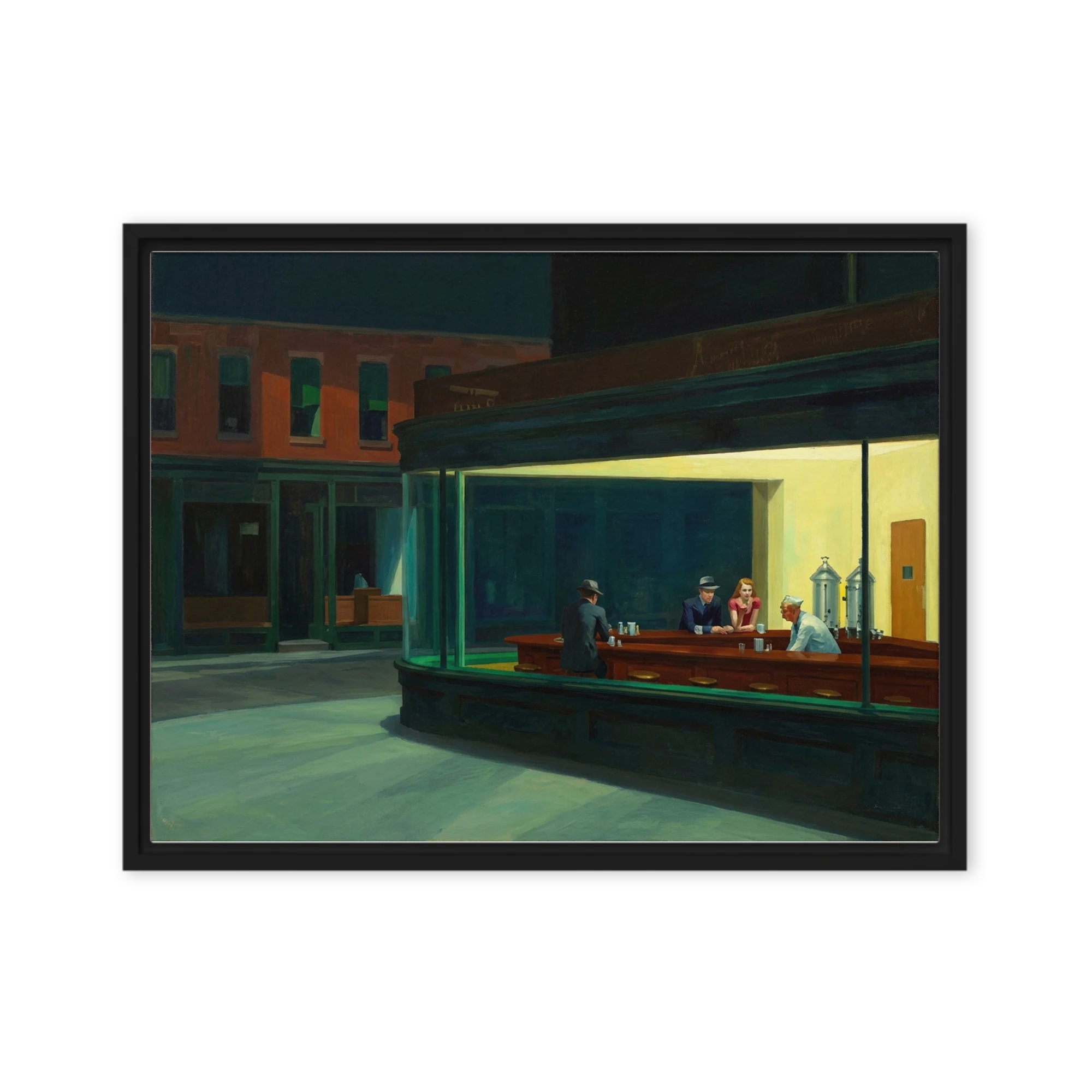
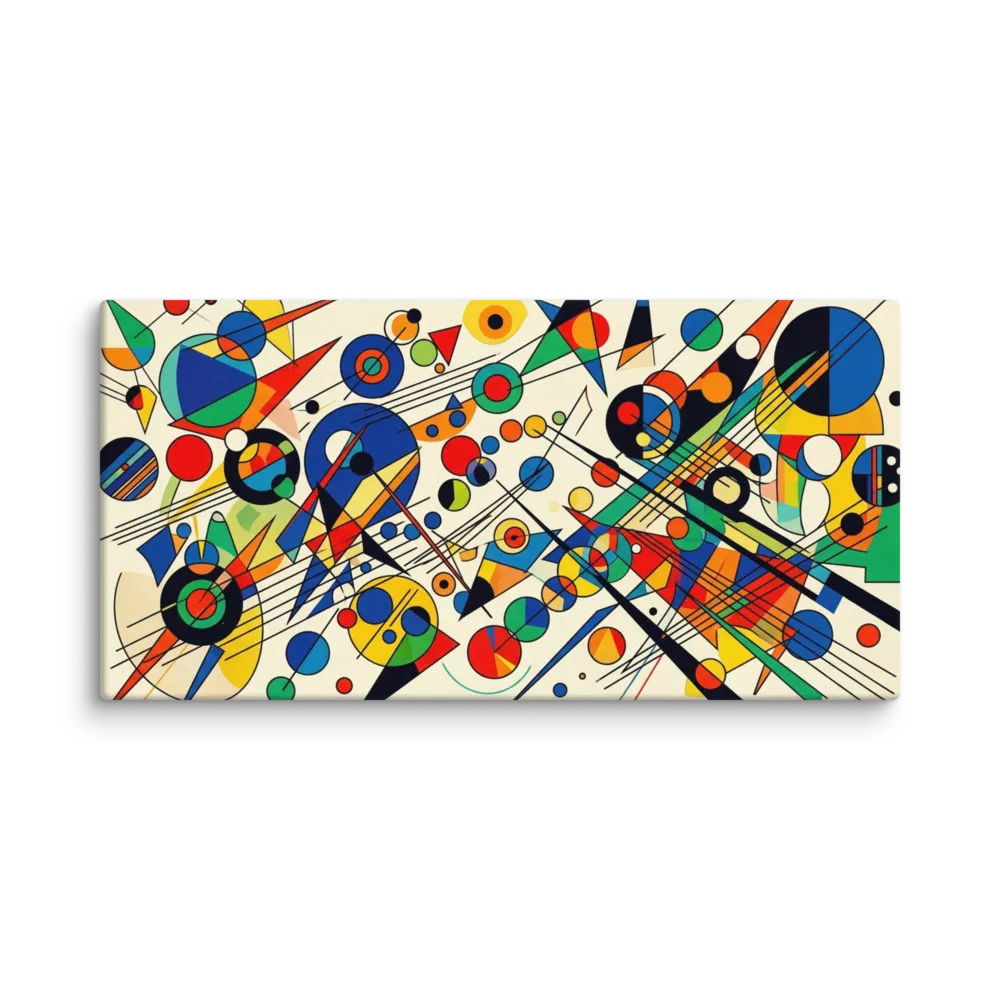
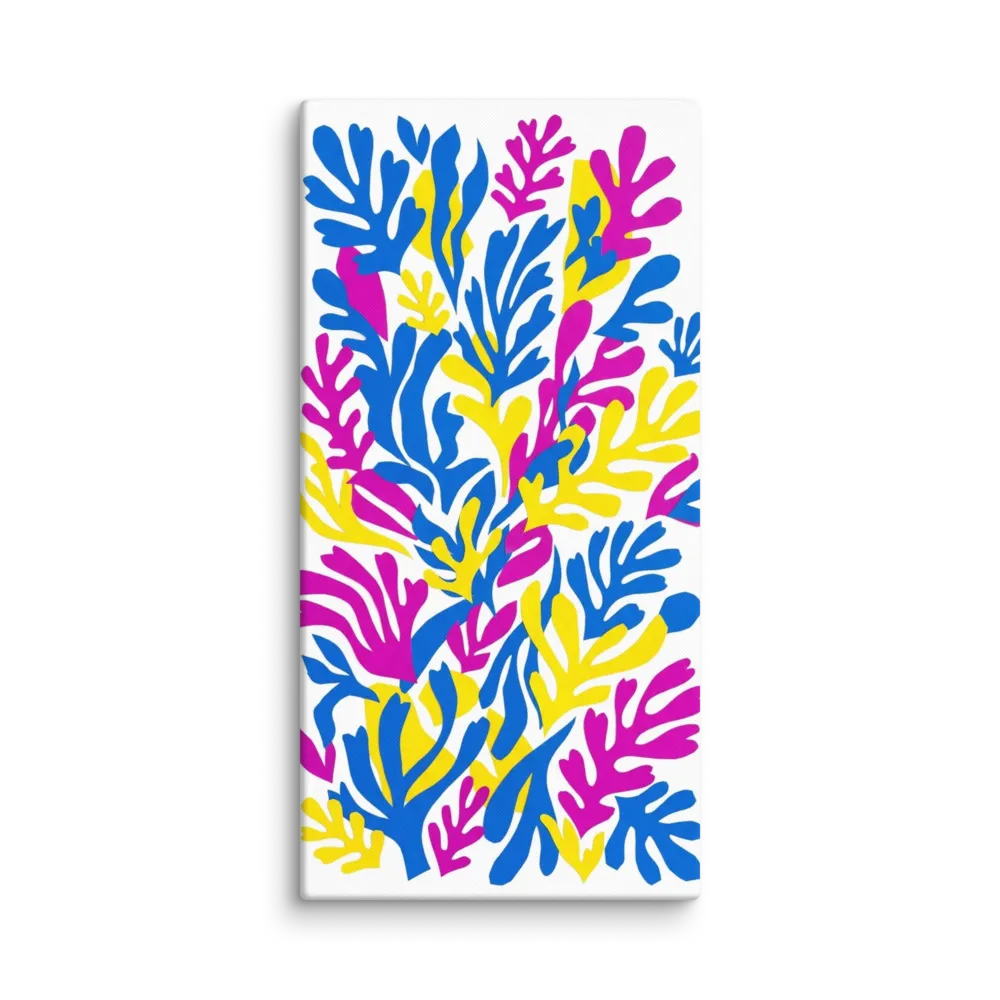
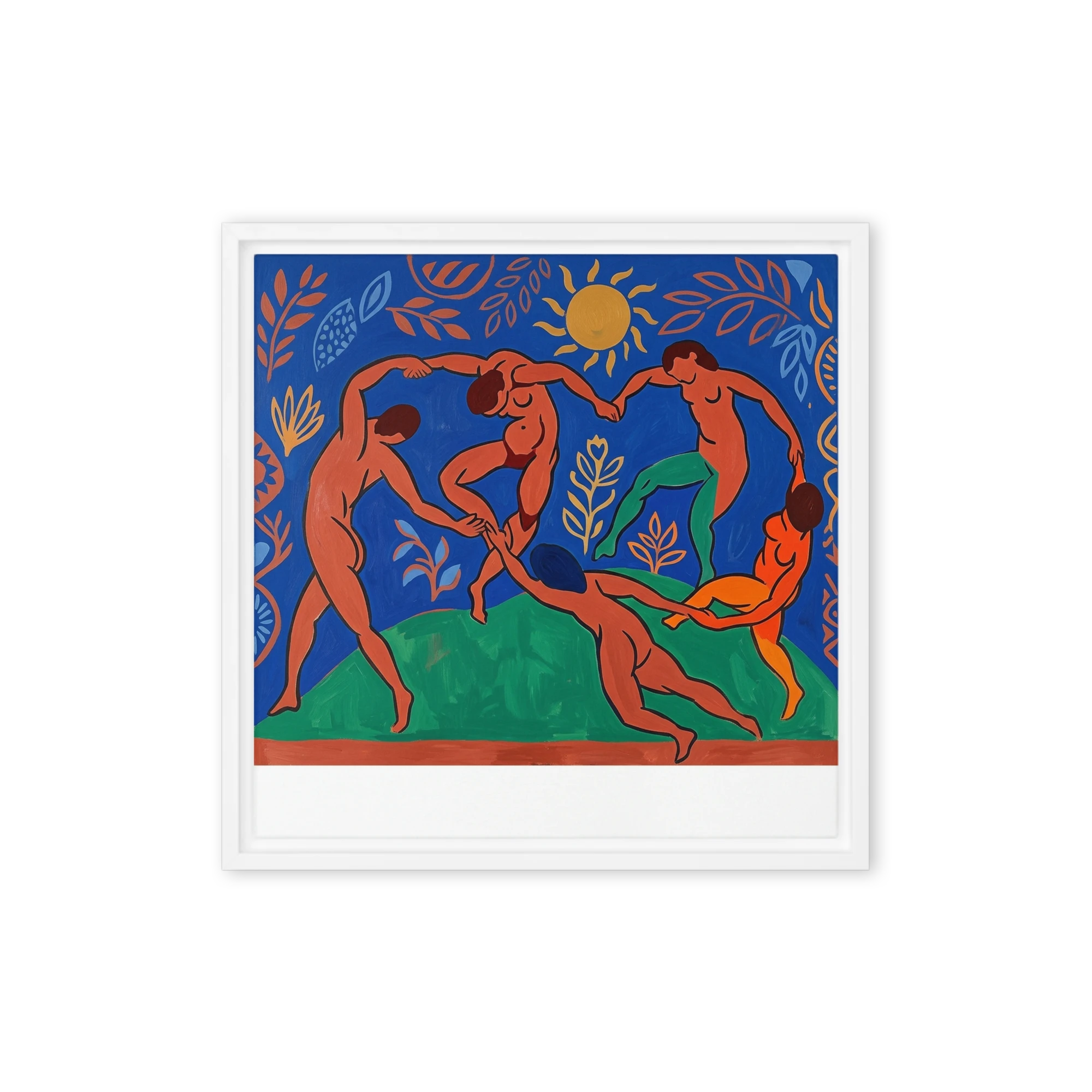
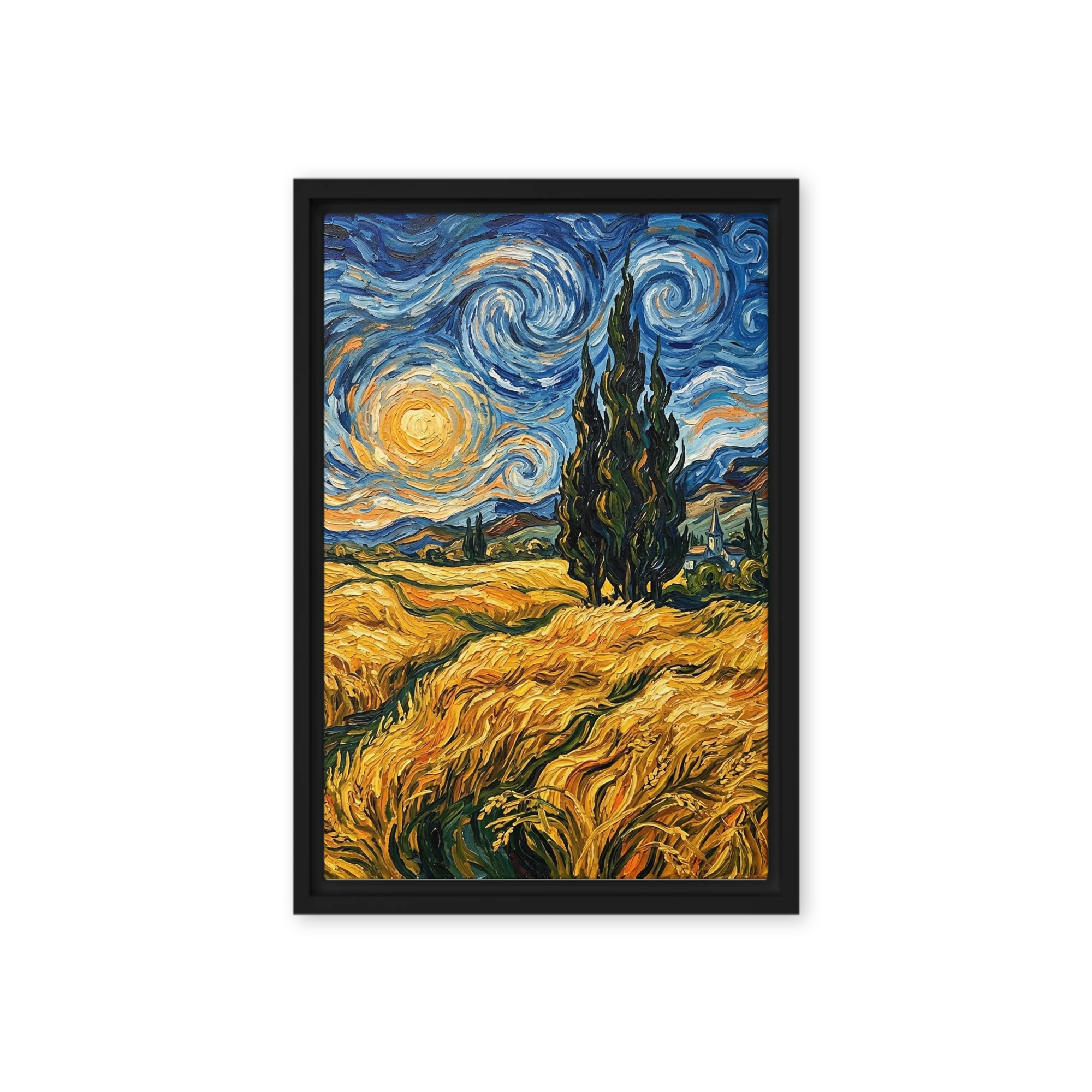
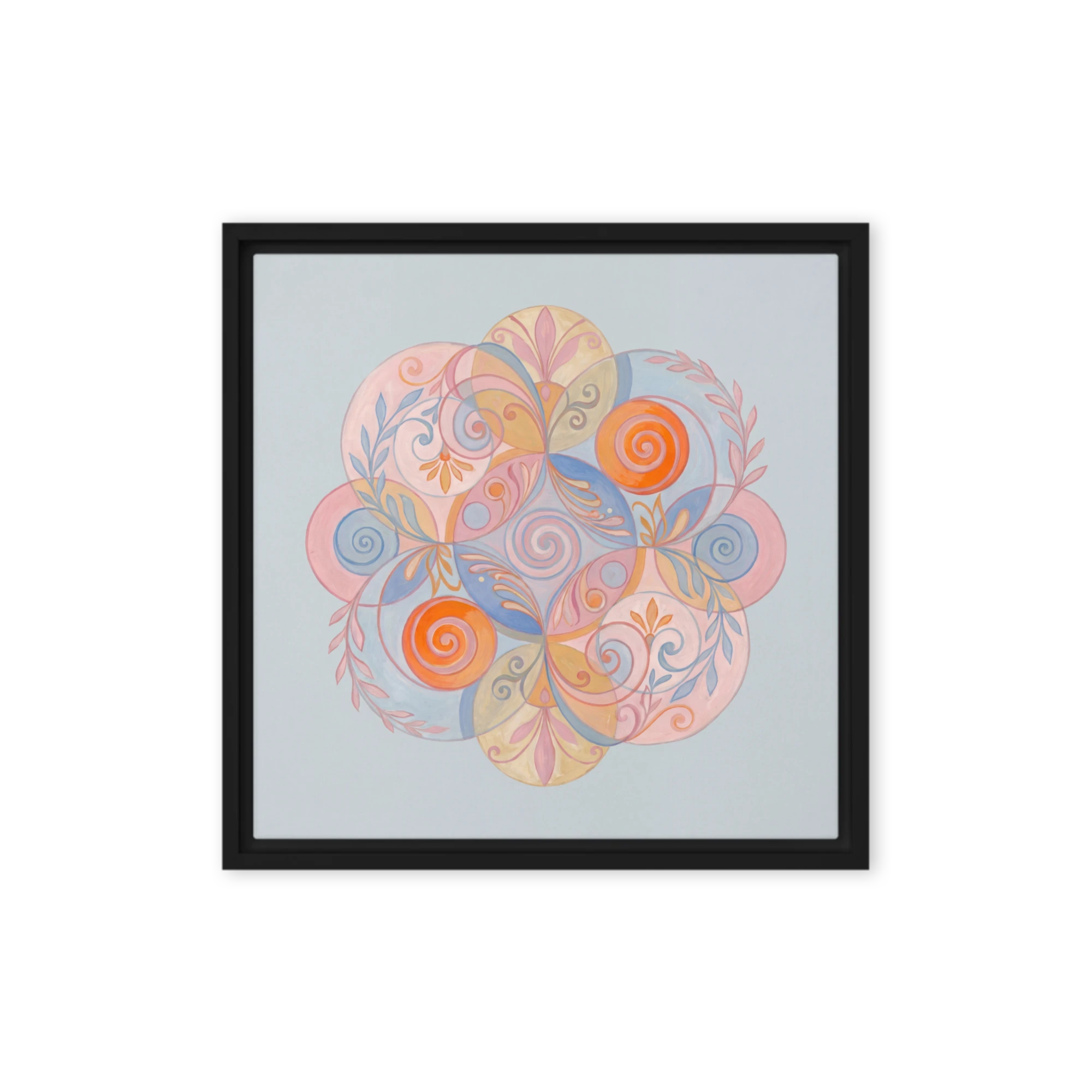
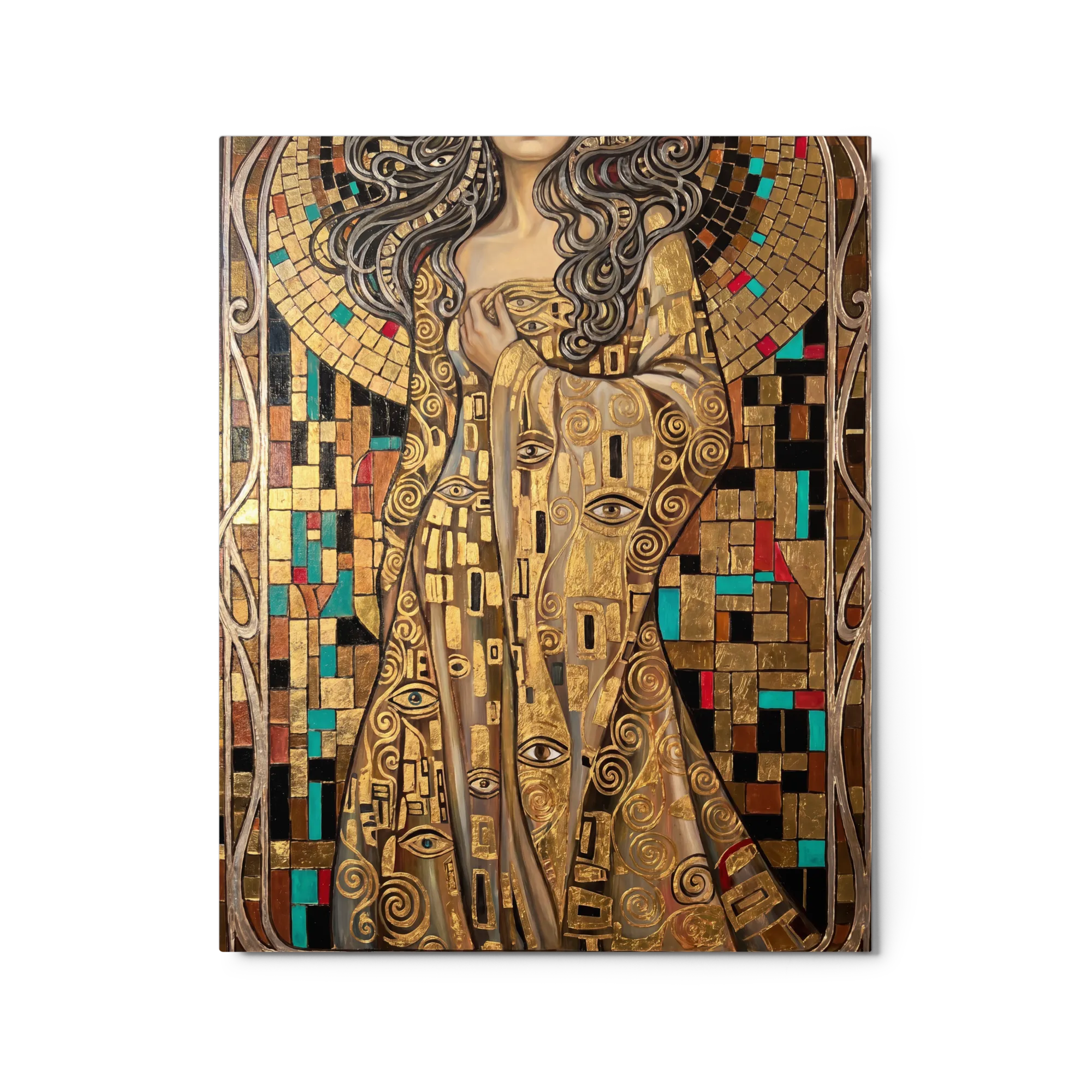
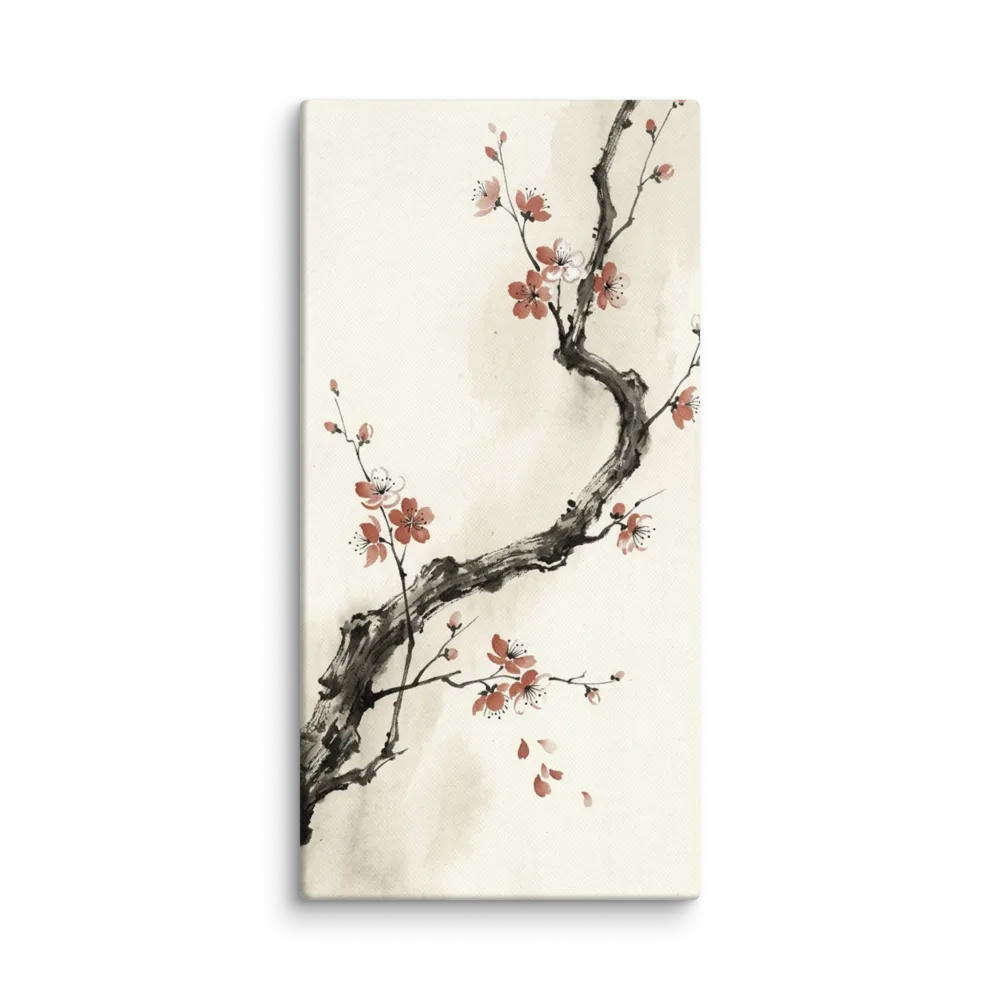
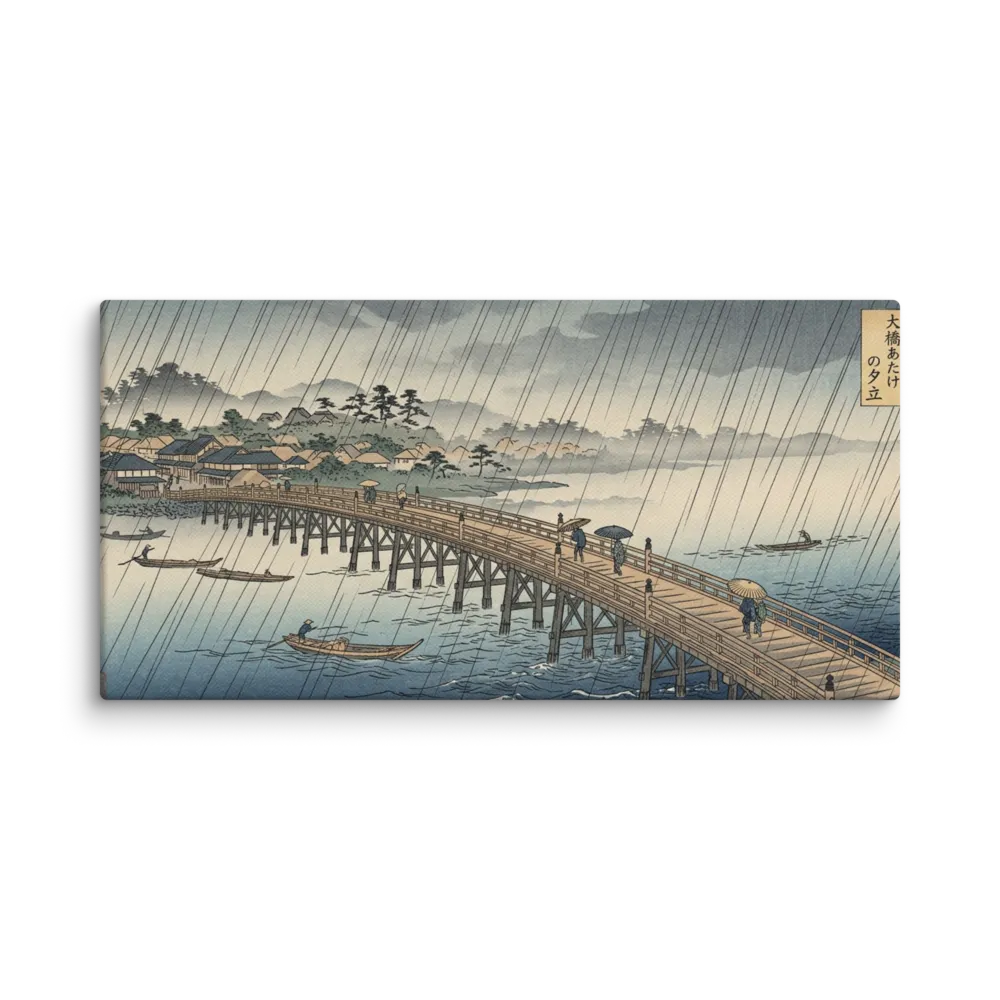
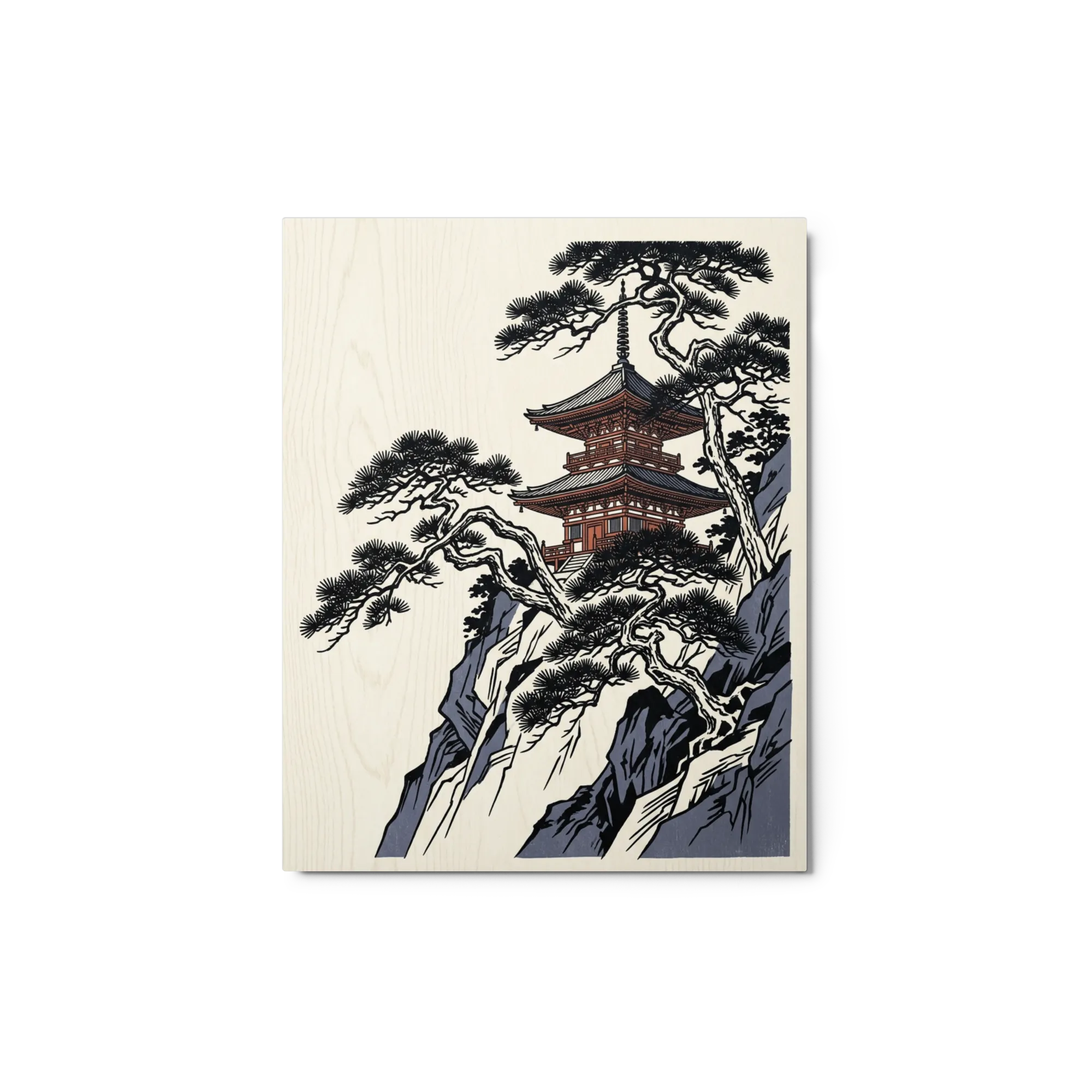
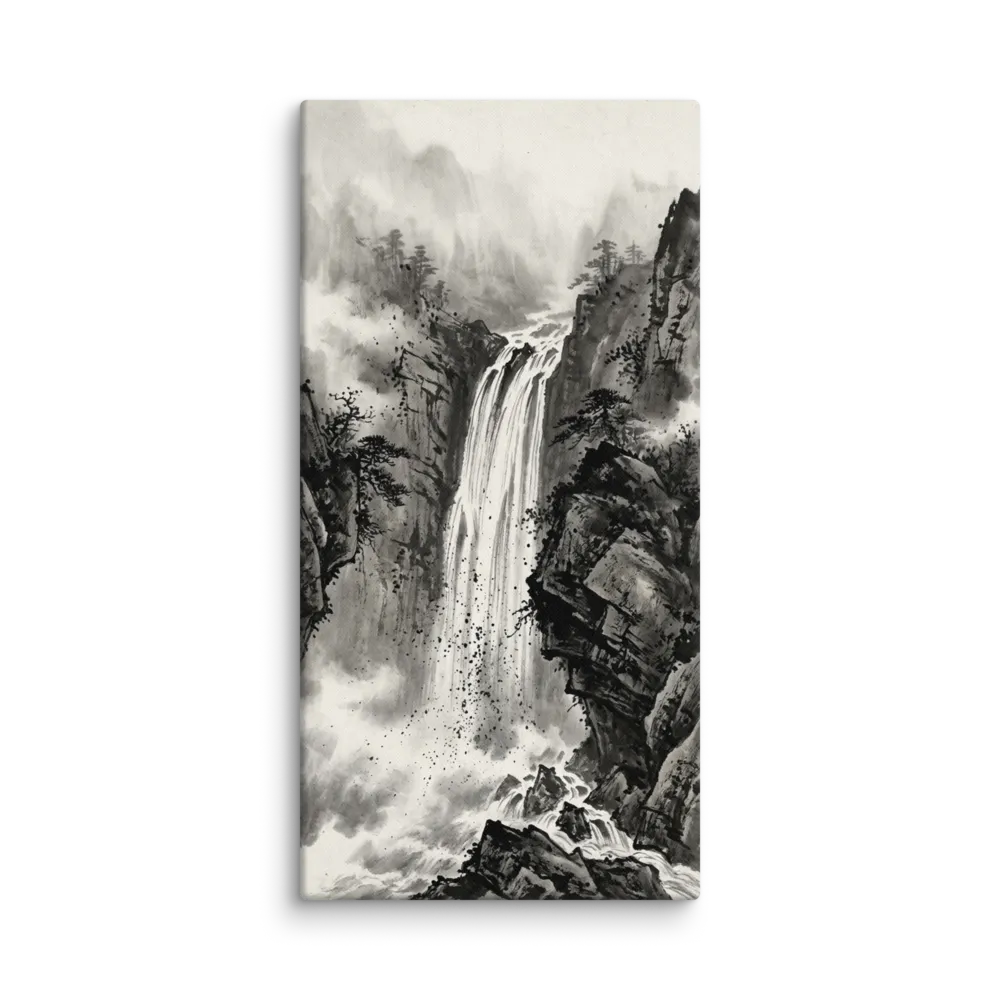
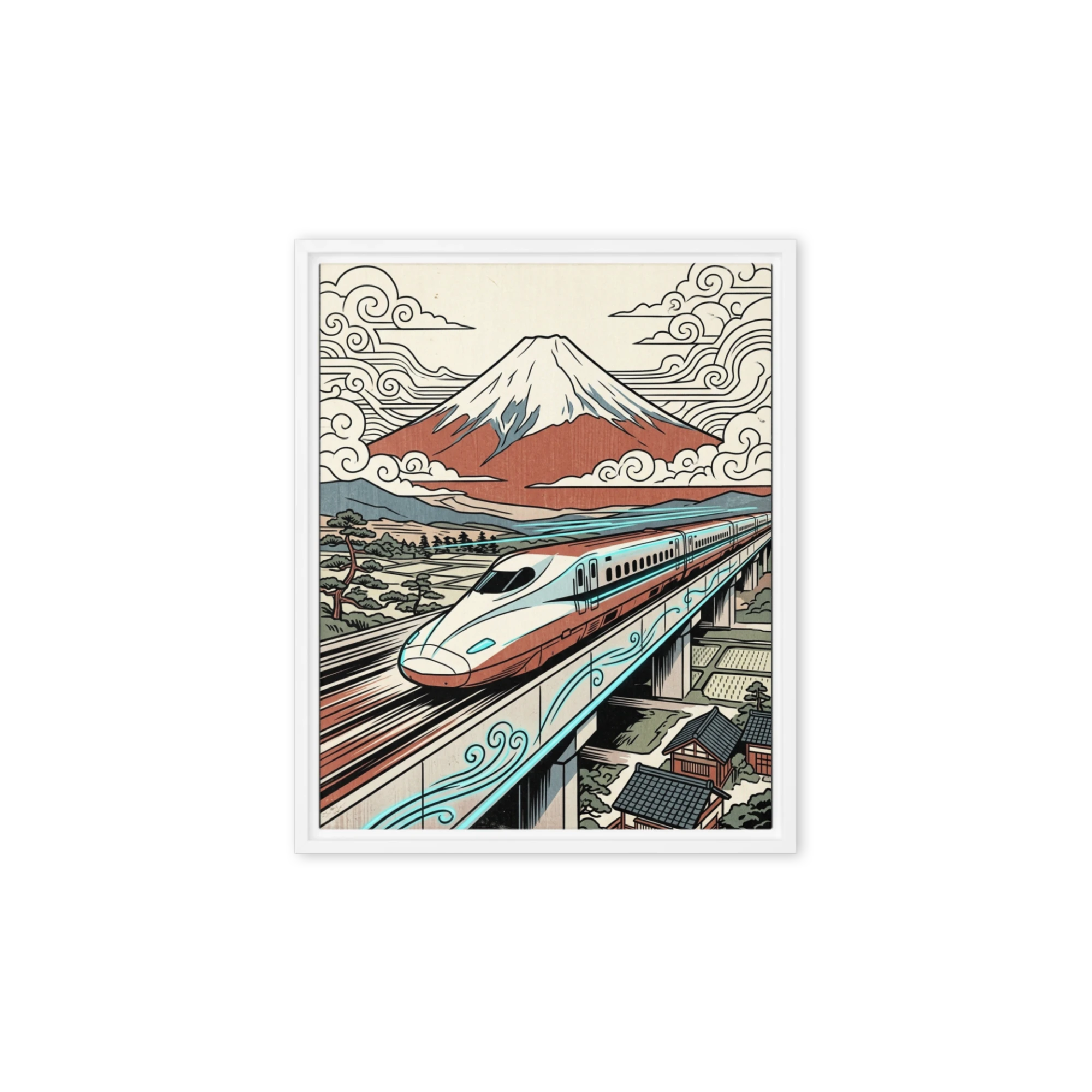
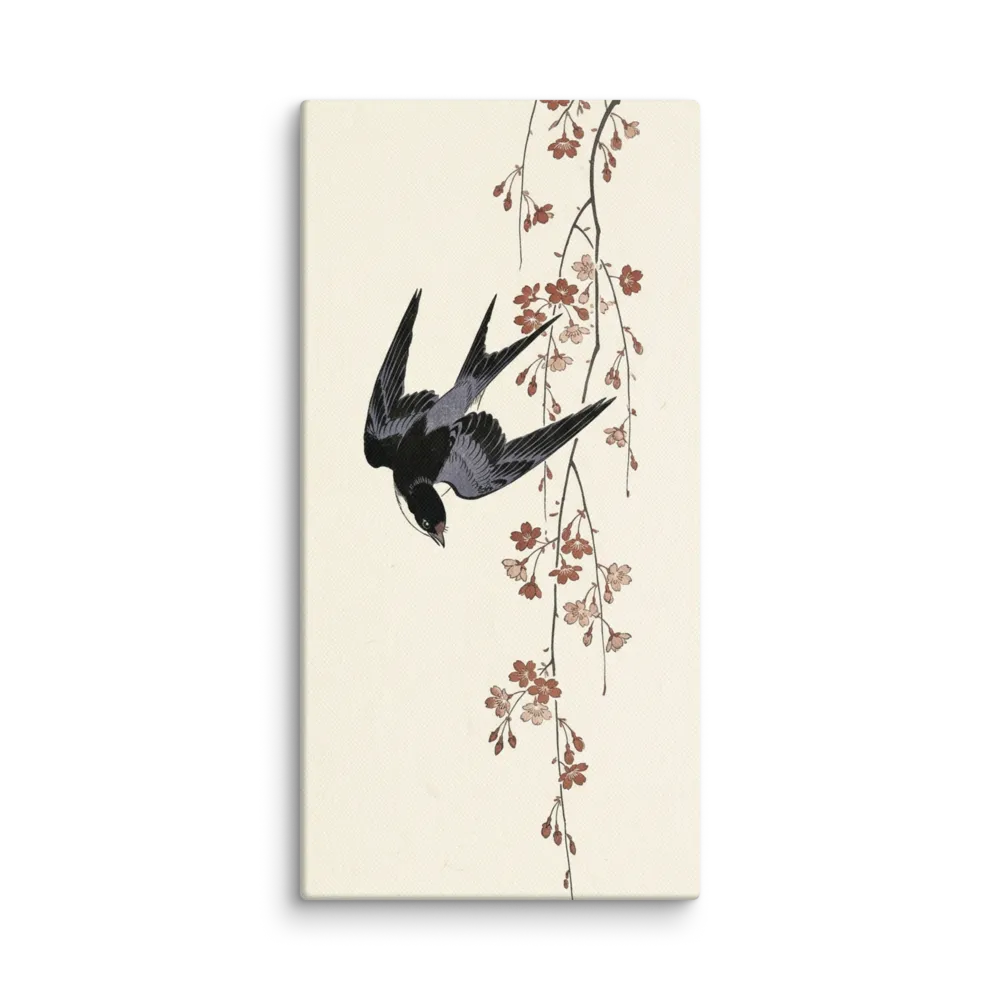
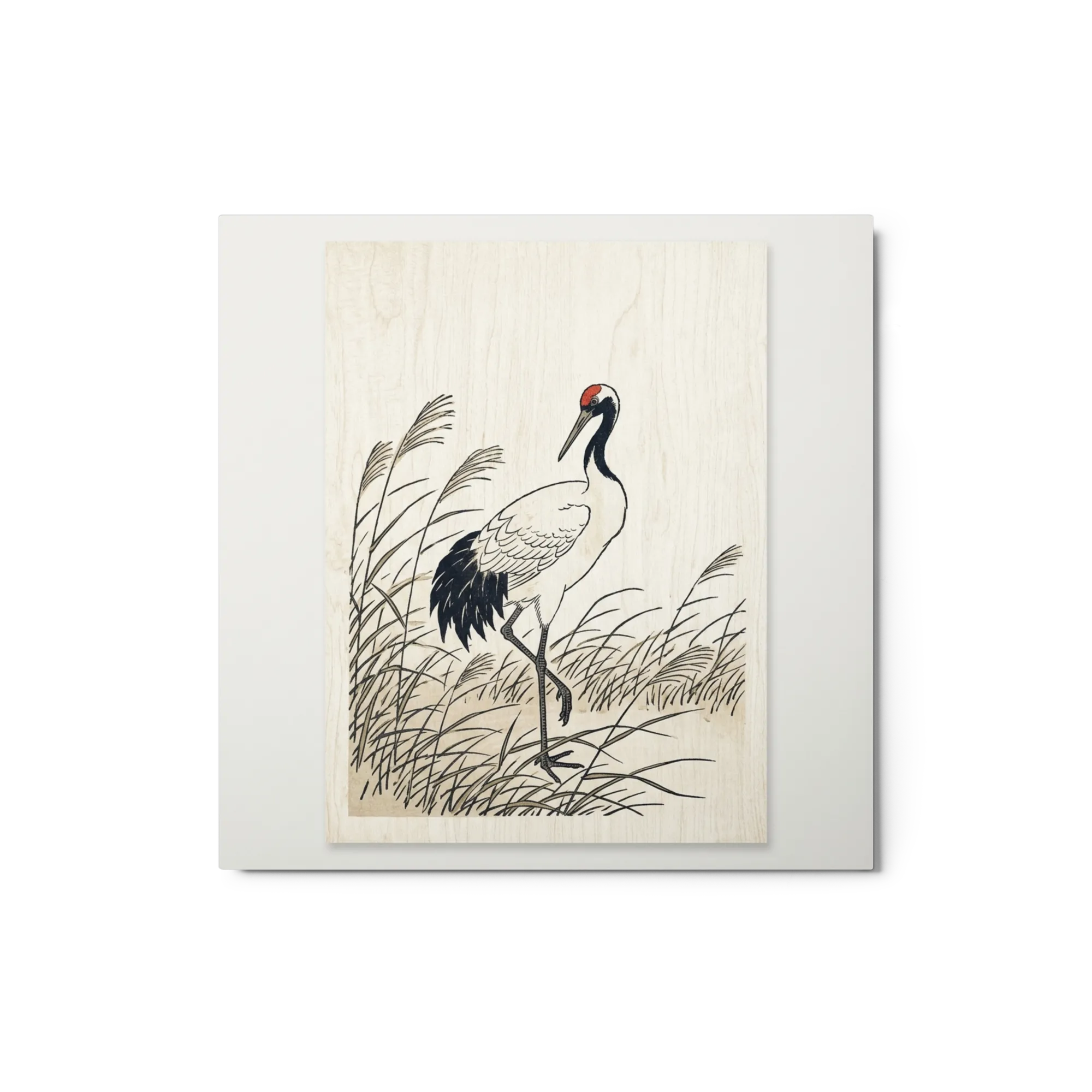
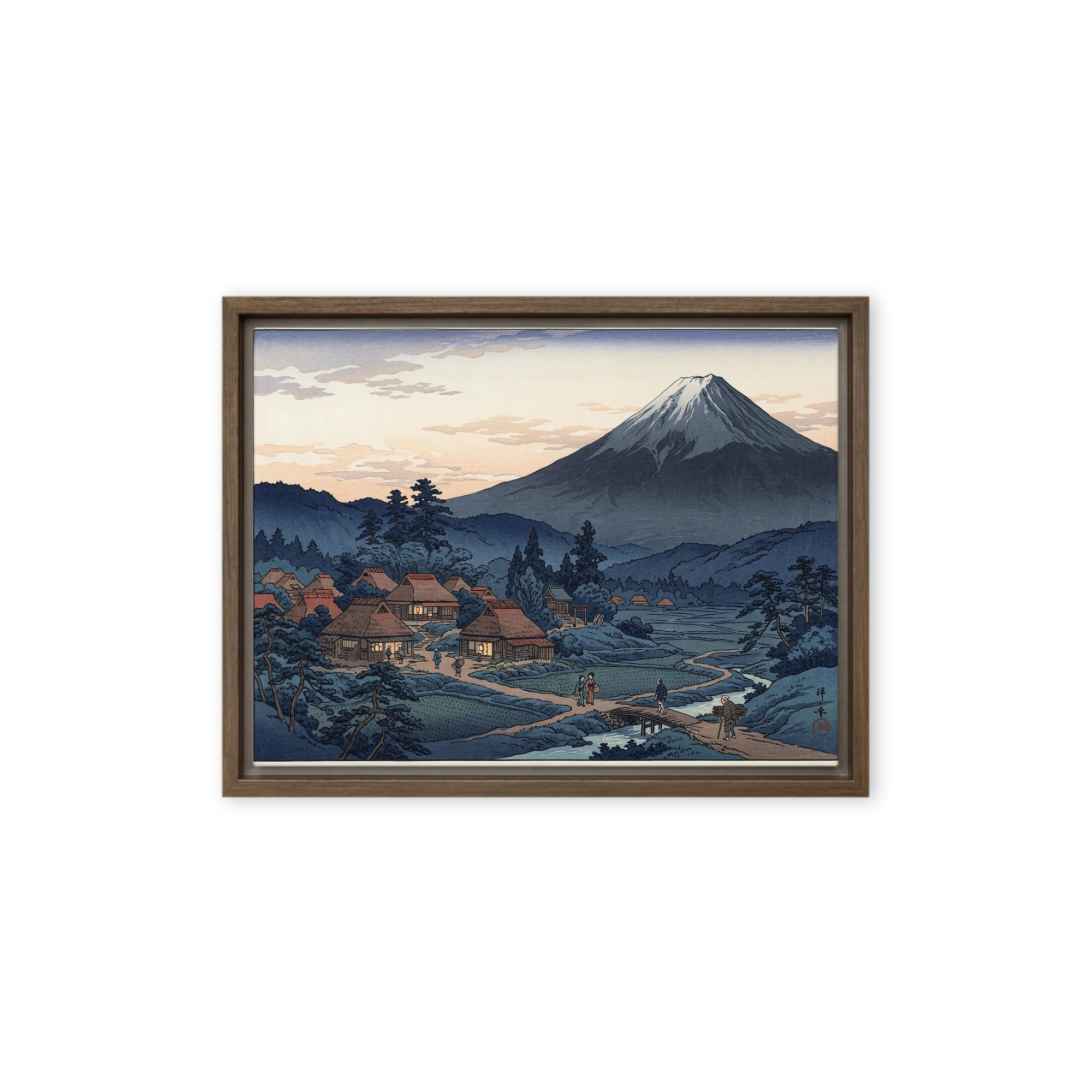
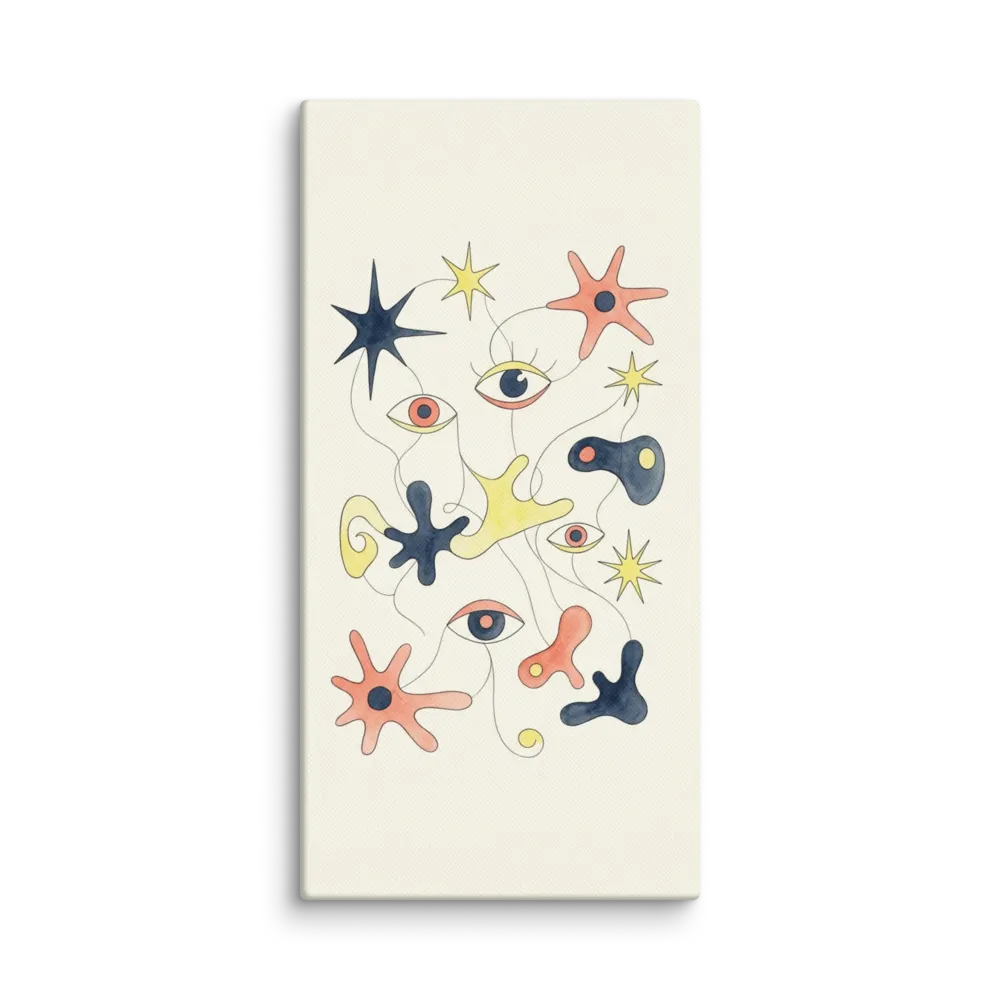
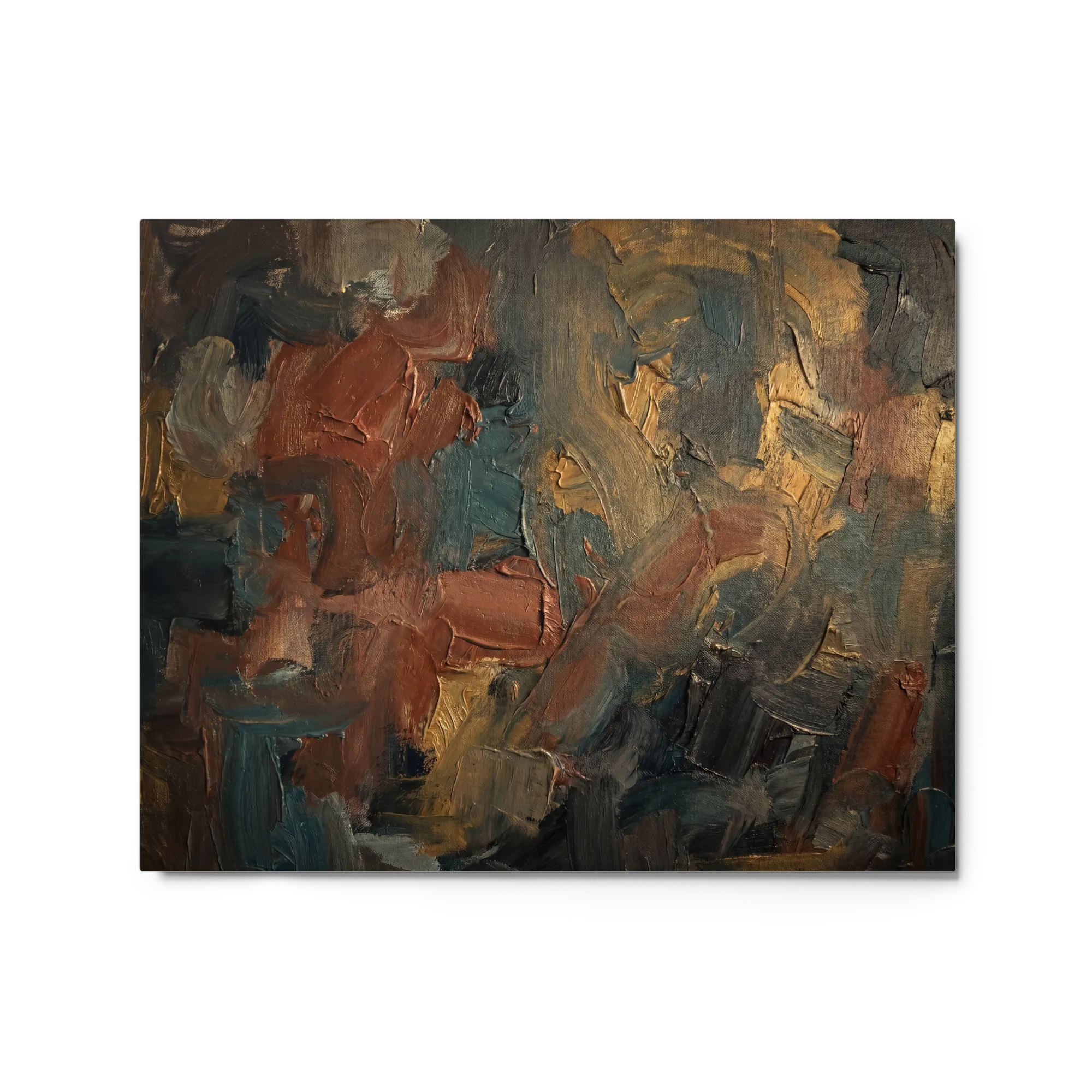
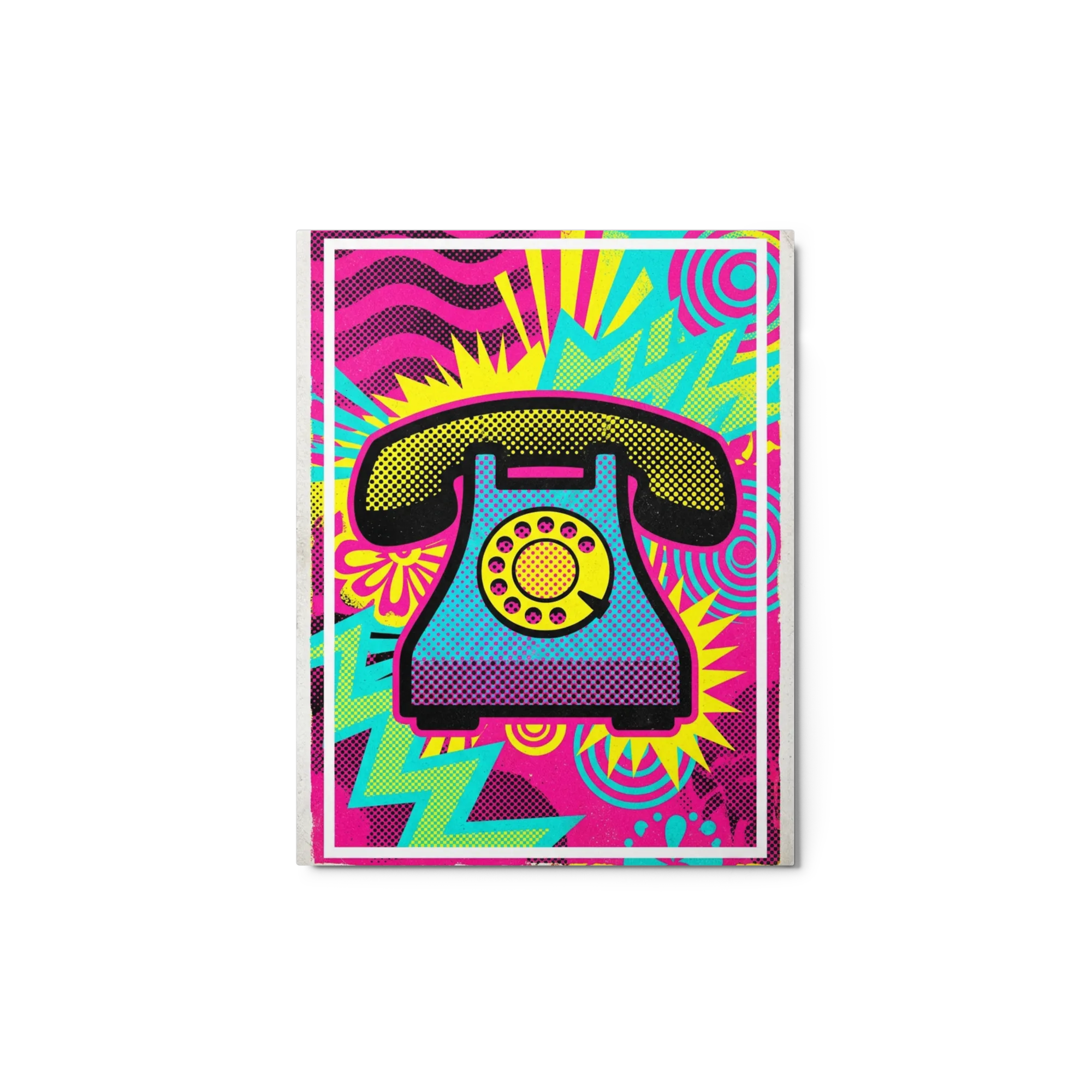
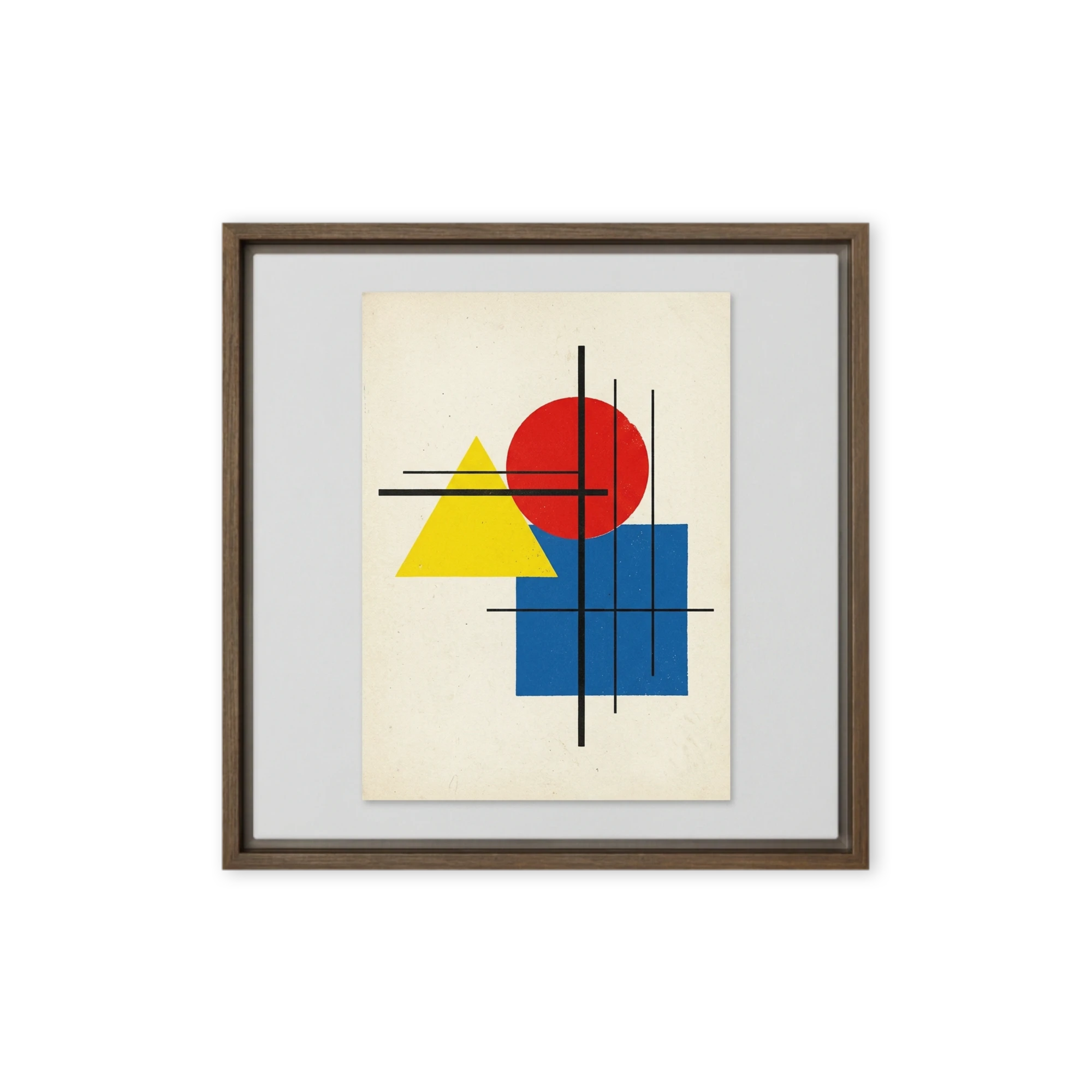
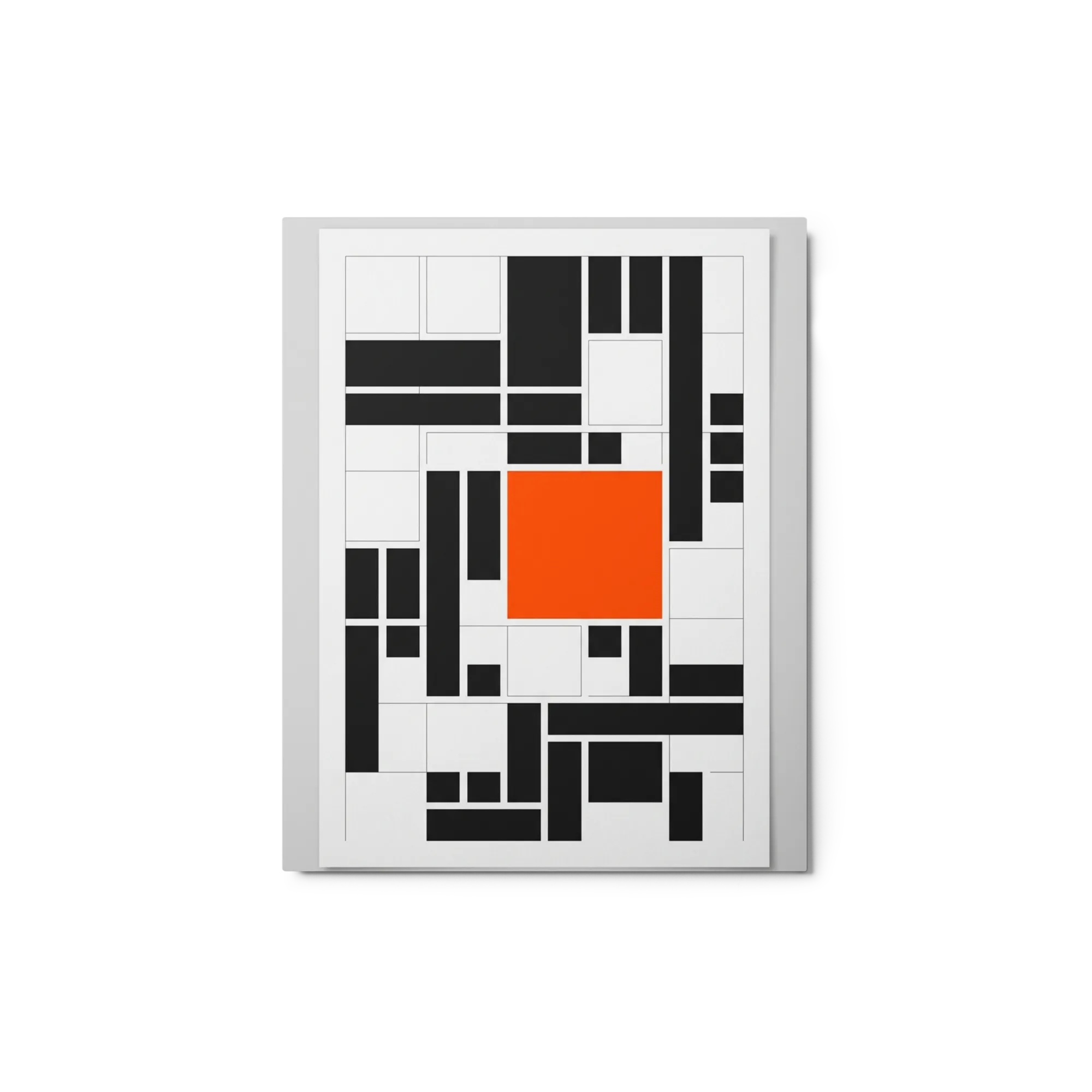
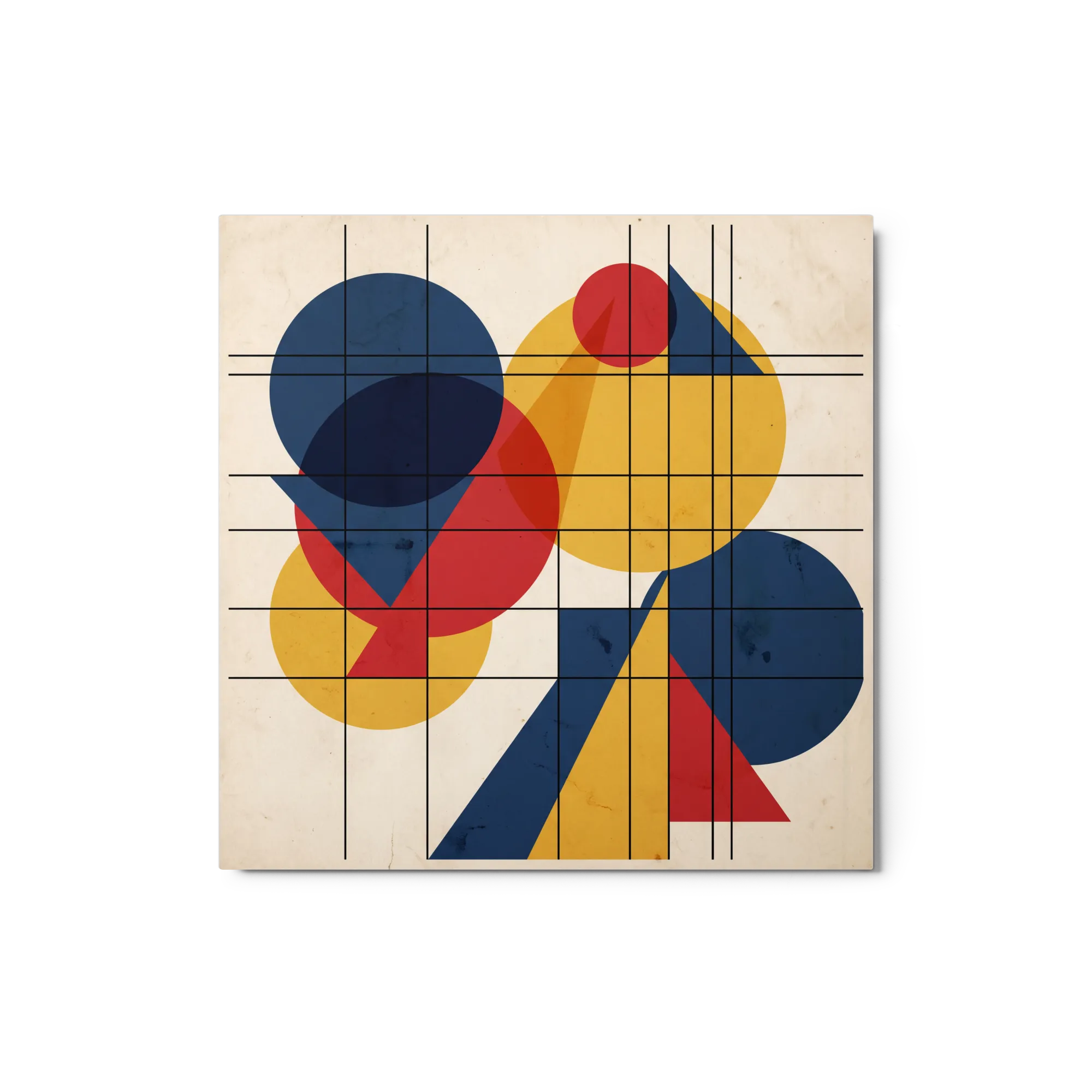
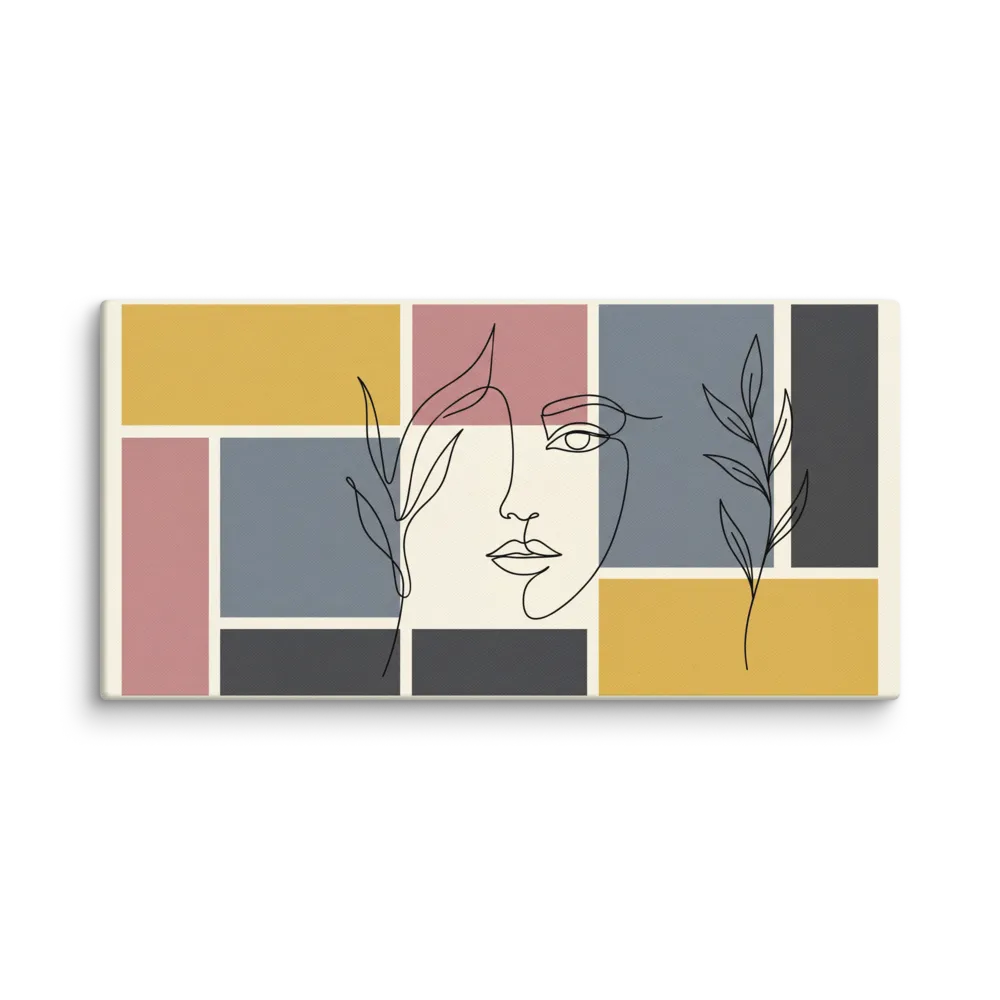
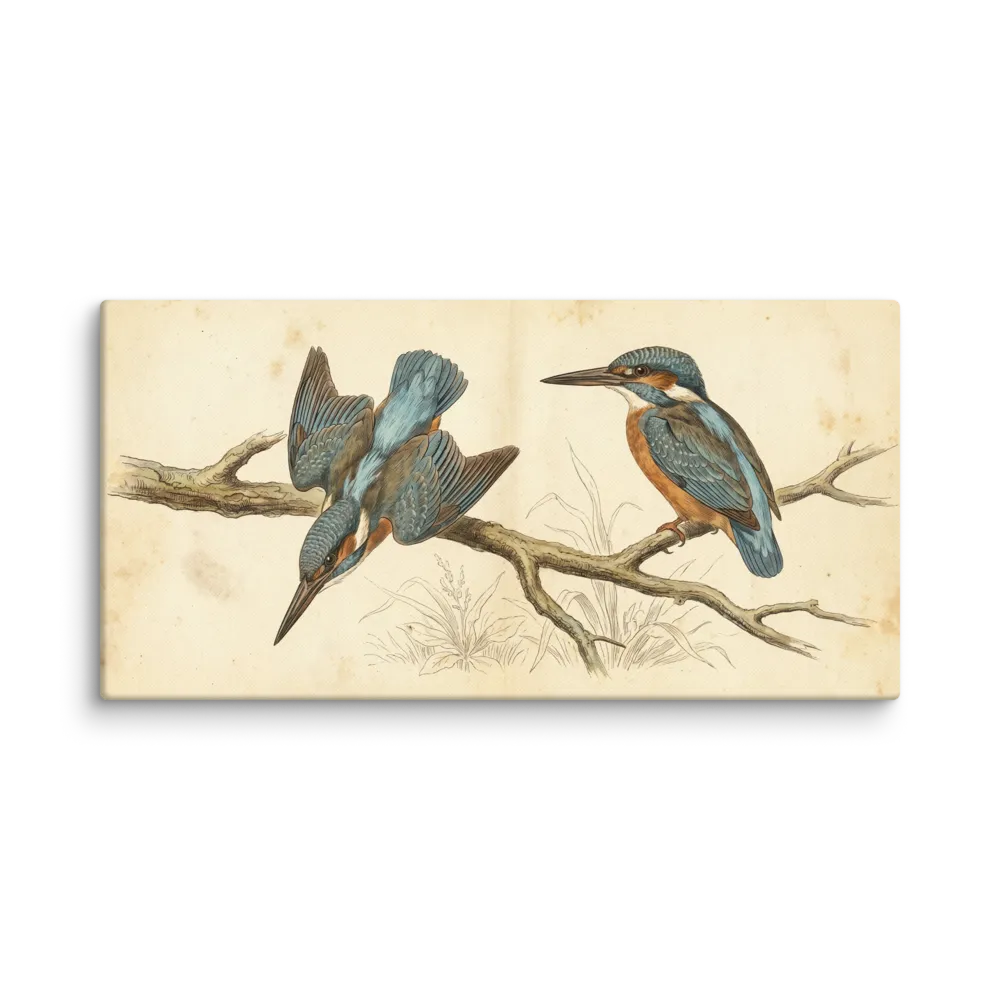
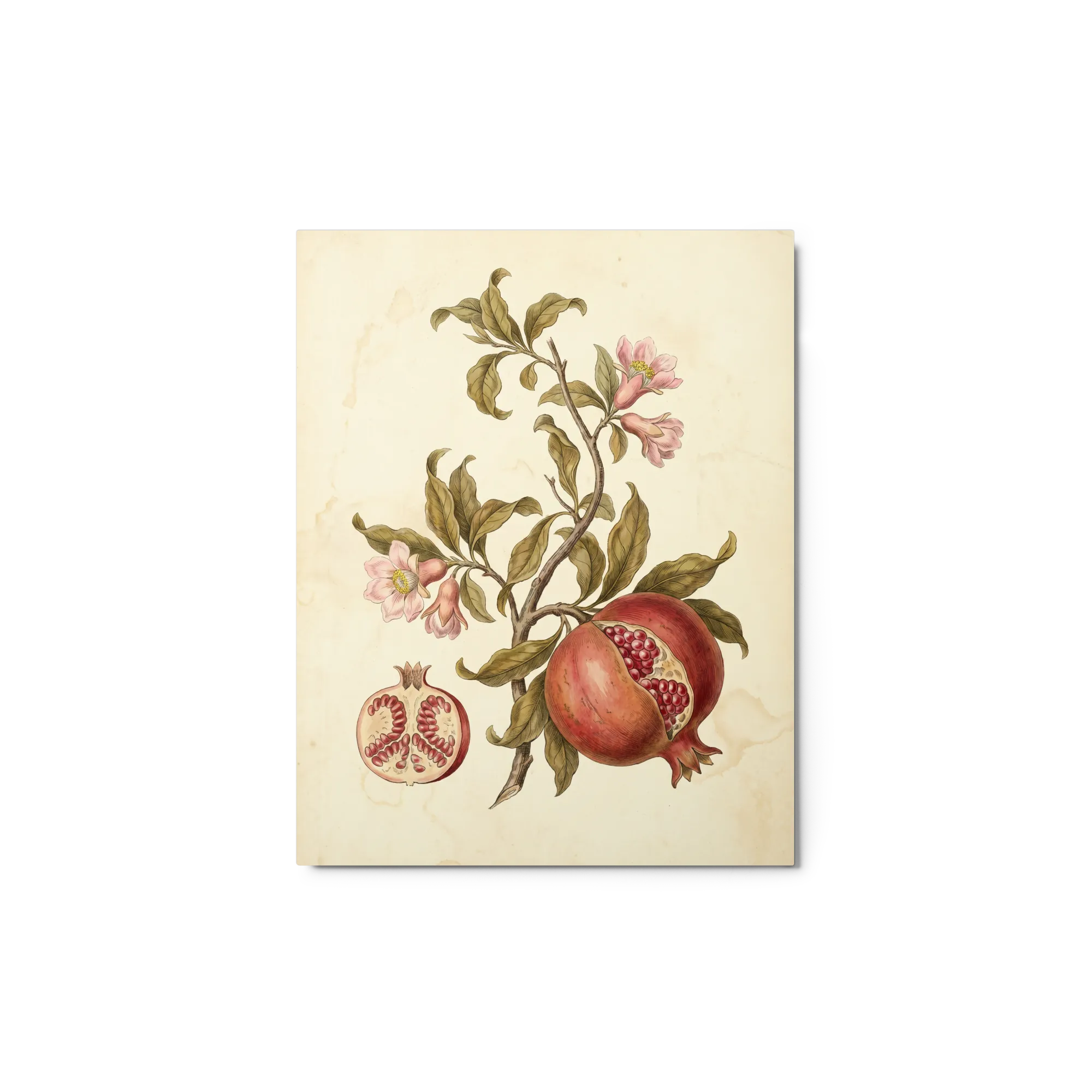
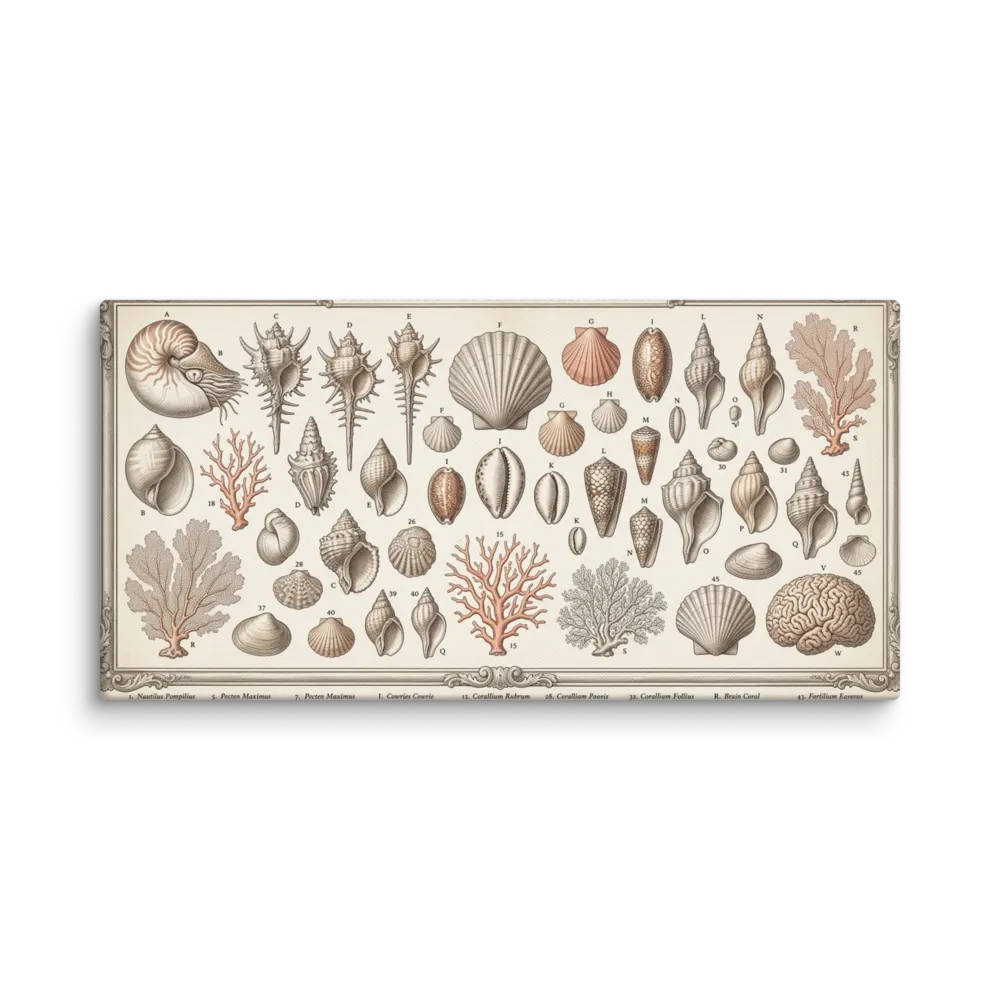
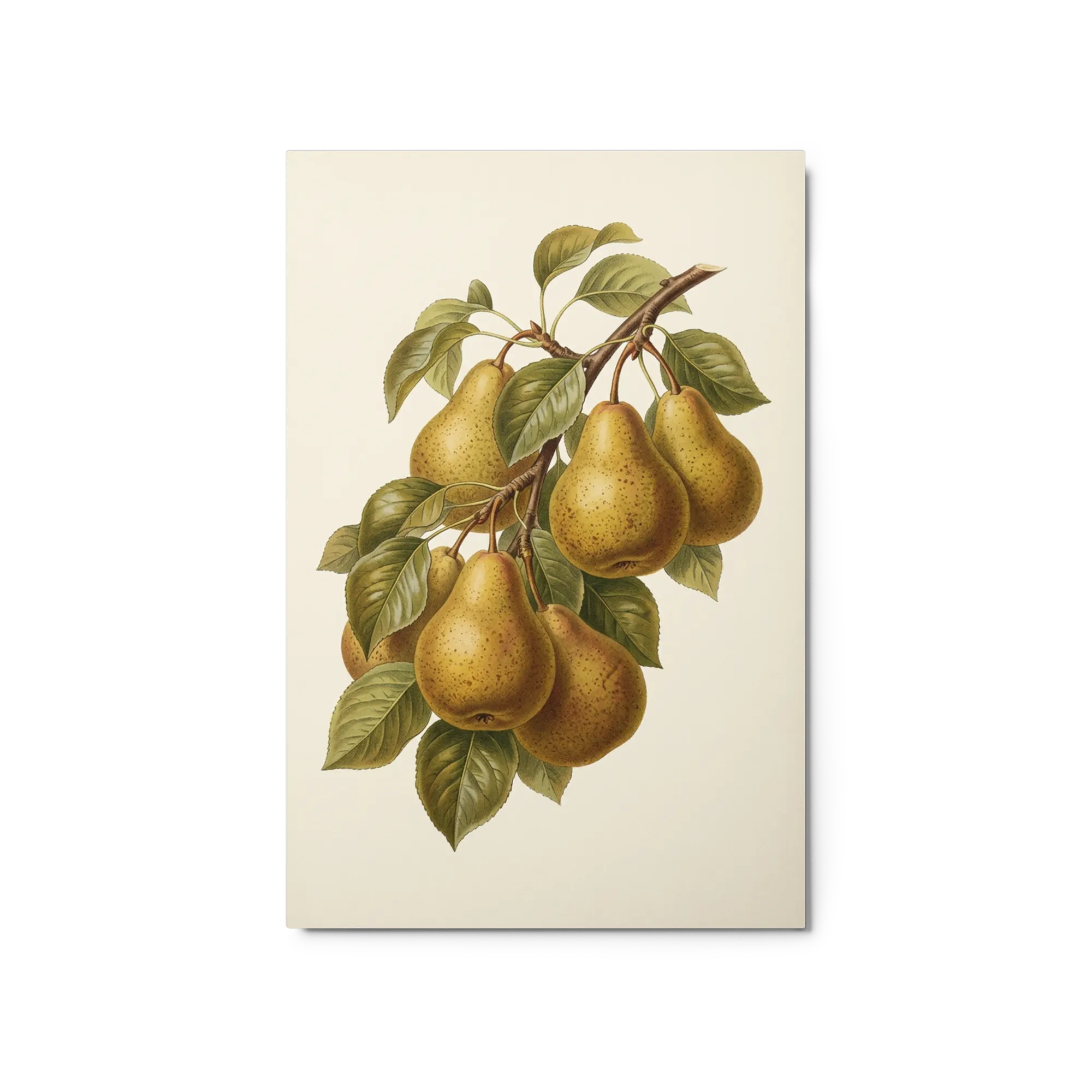
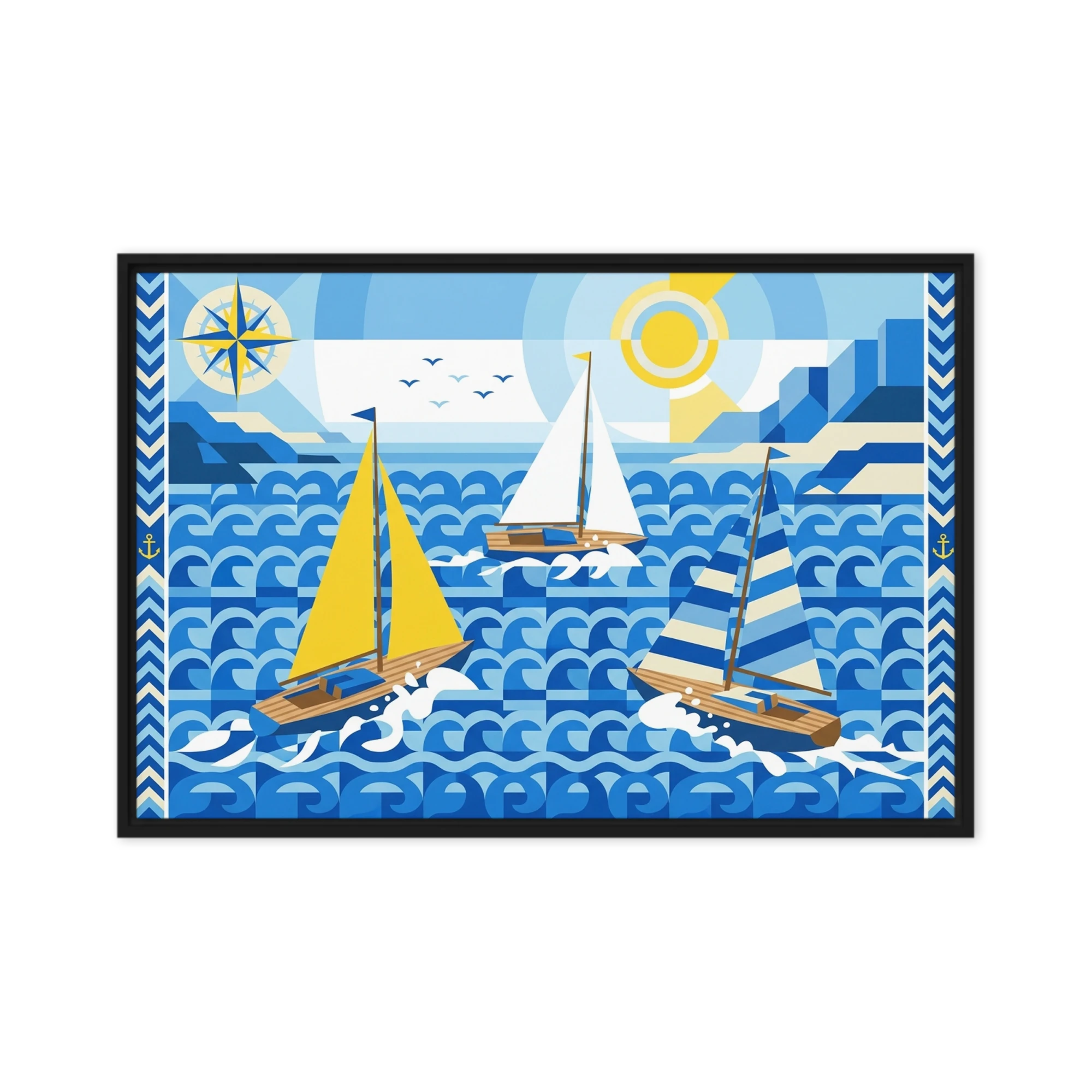
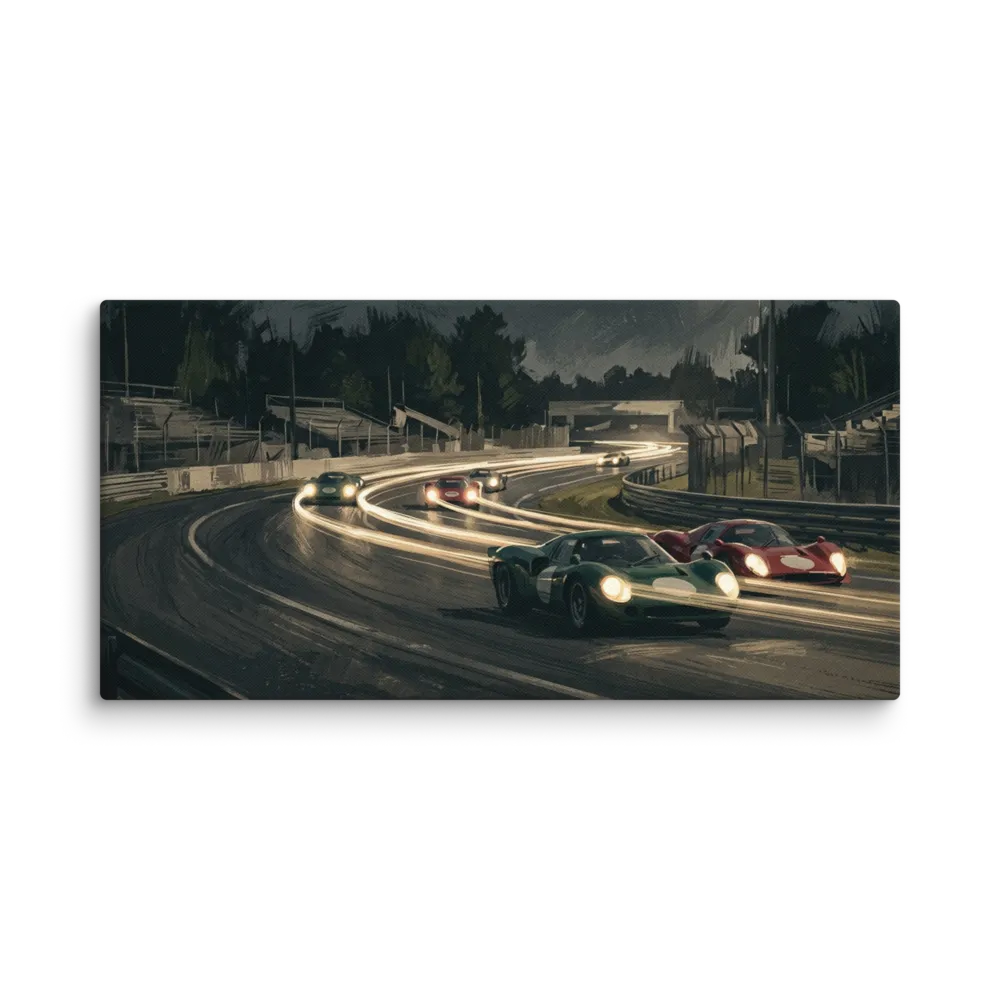
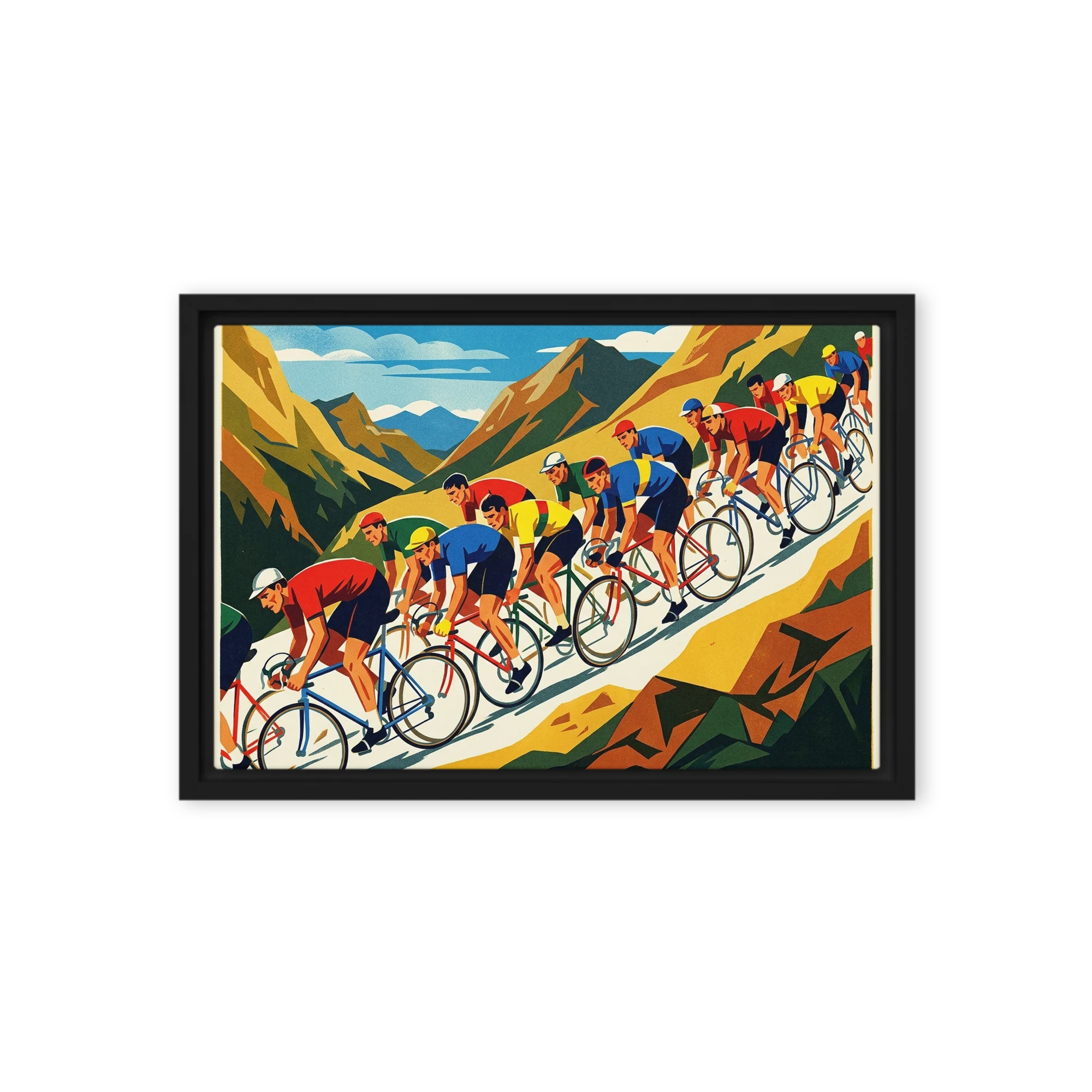
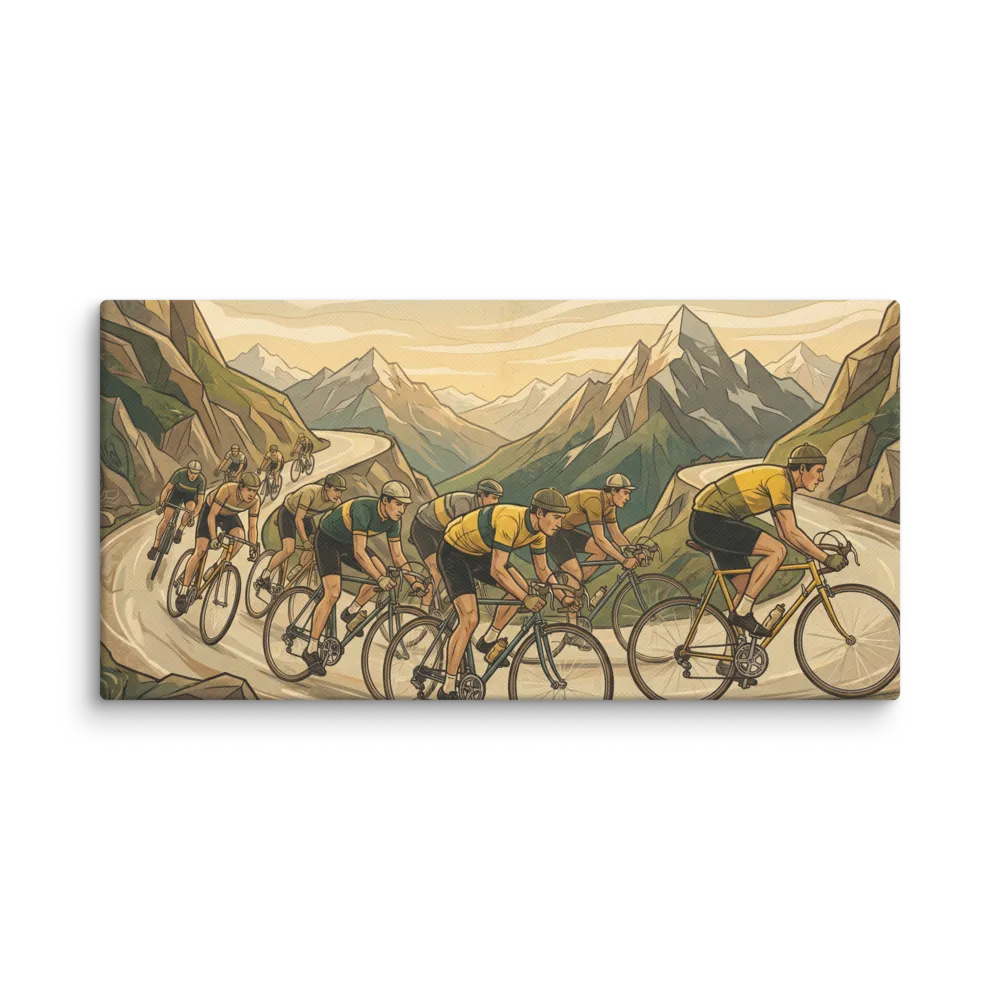
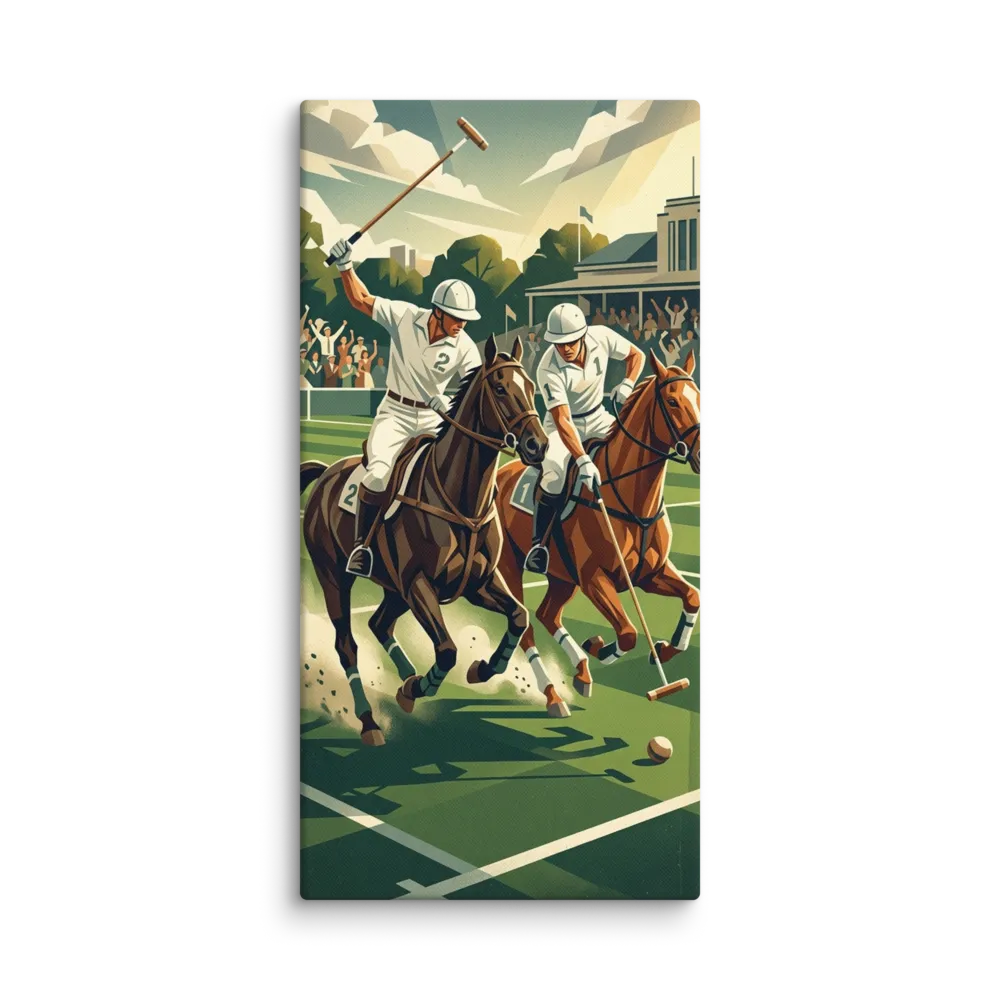
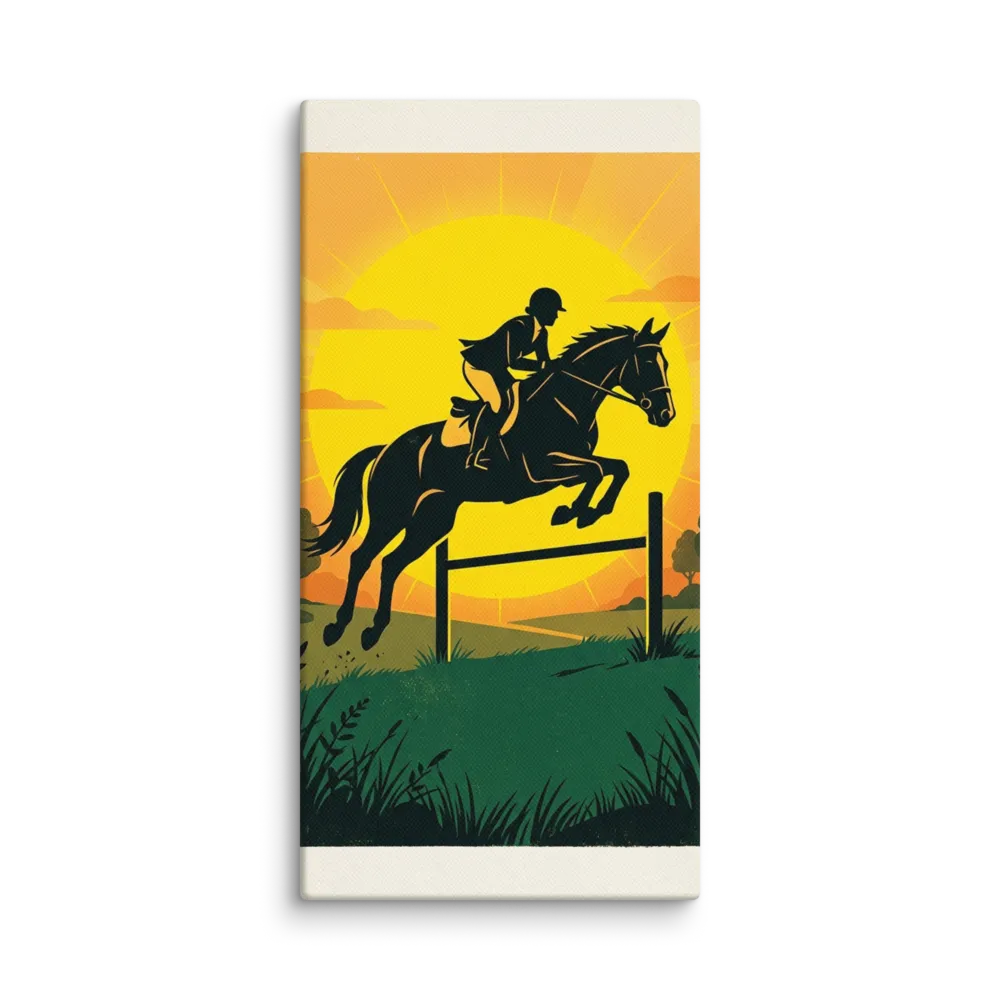
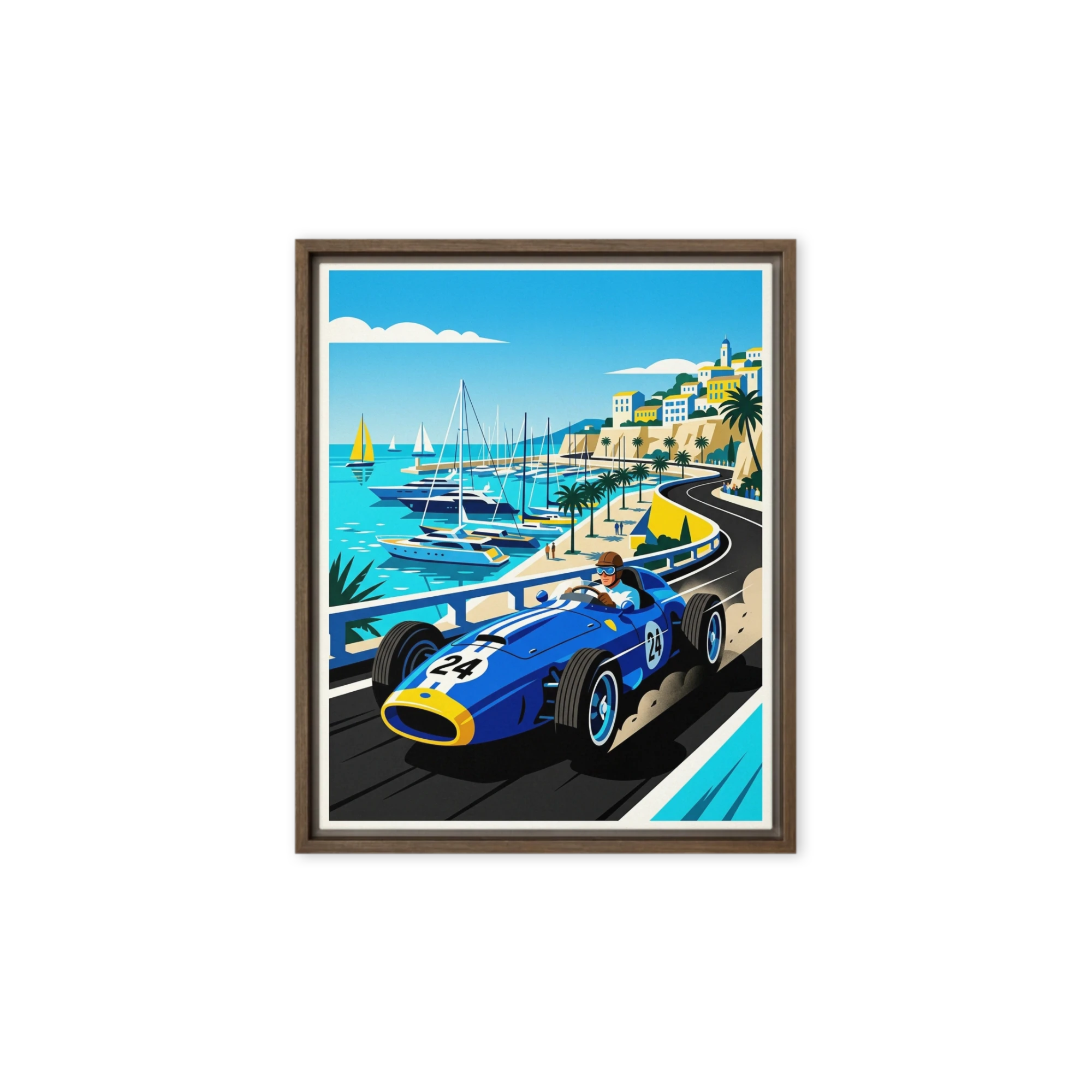
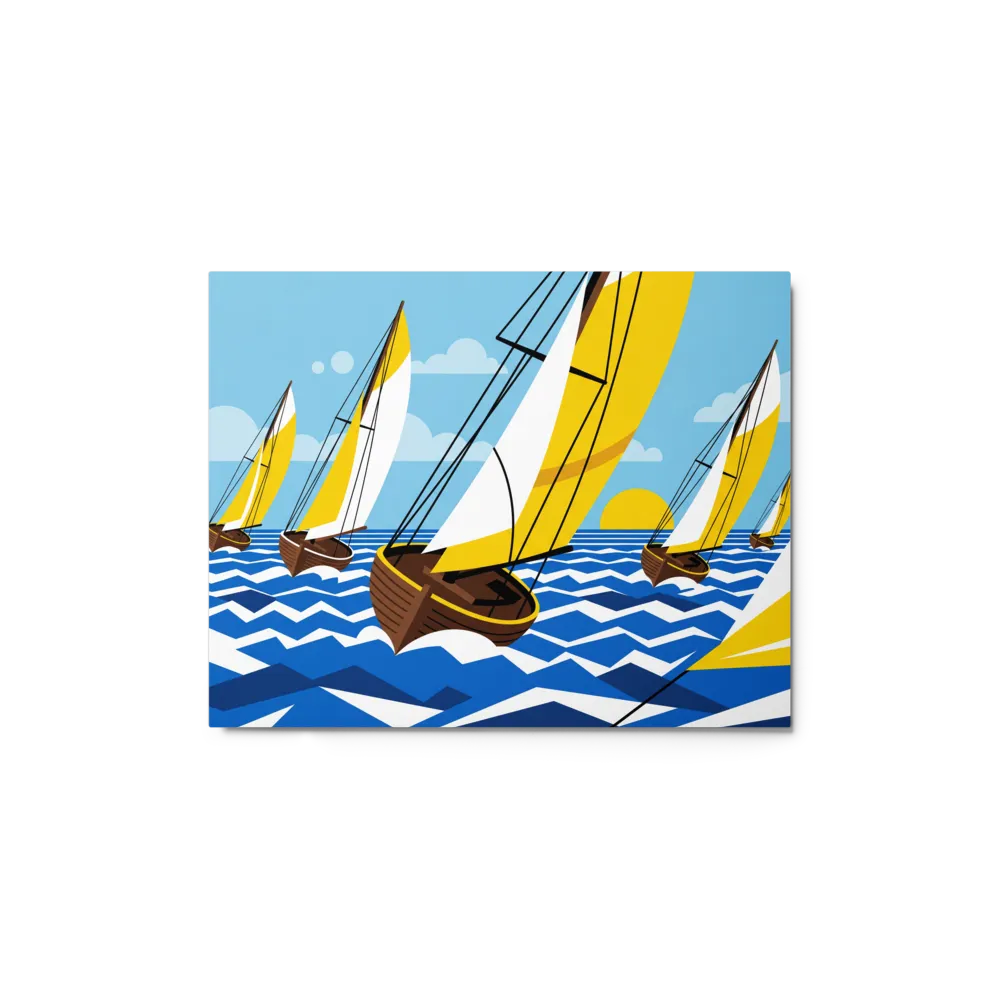
Vintage wall art covers the museum-gift-shop register at home: classic exhibition posters, mid-century travel and product advertising, art-history reproductions (Hokusai, Klimt, Mucha, Matisse), and contemporary work that borrows the period aesthetic. The appeal is that a single vintage poster anchors a room with cultural shorthand — guests recognise the reference without you having to explain it.
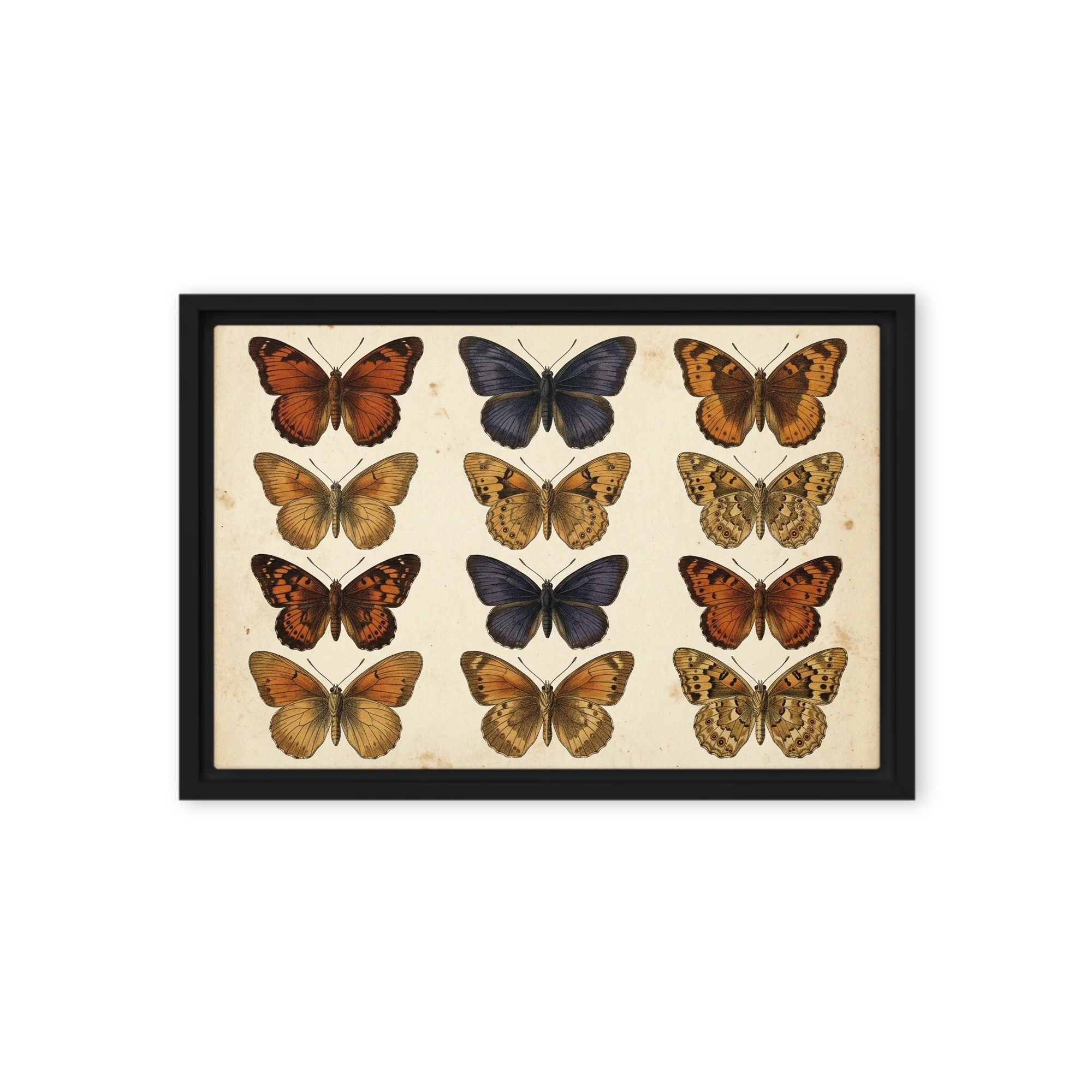
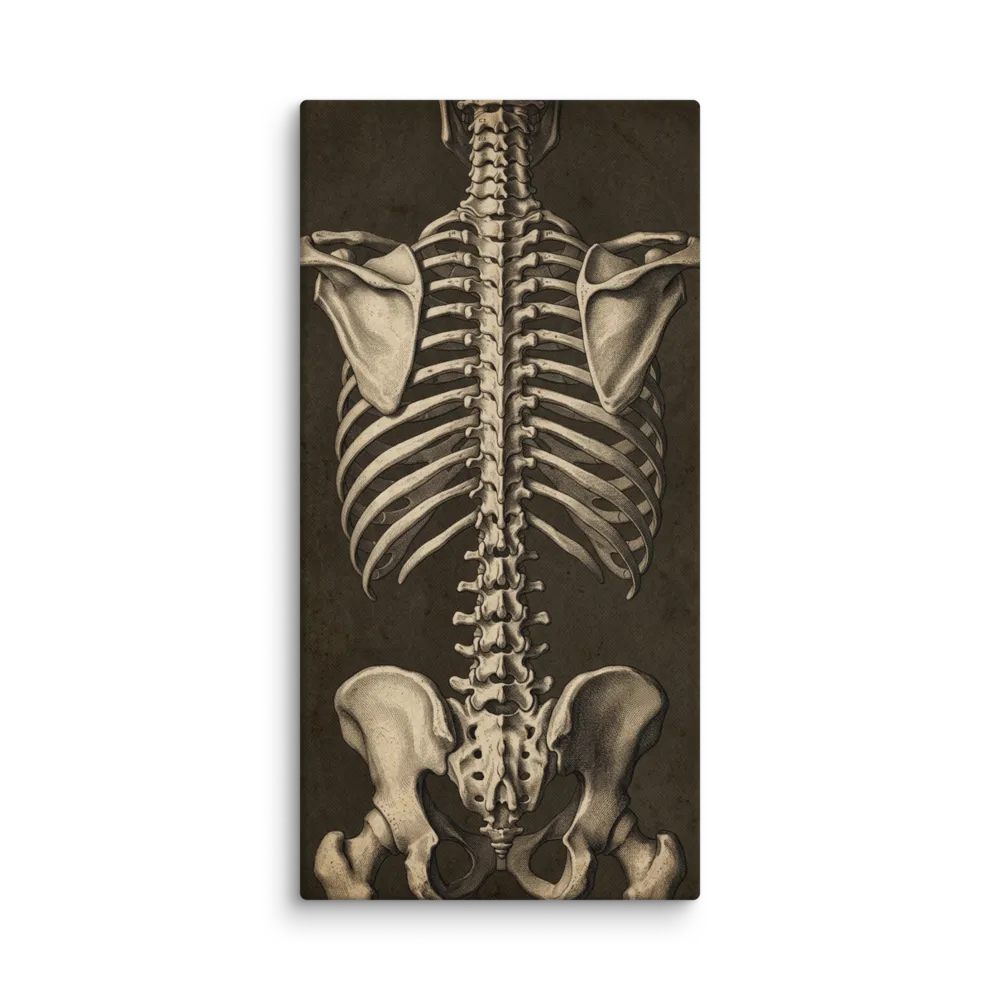
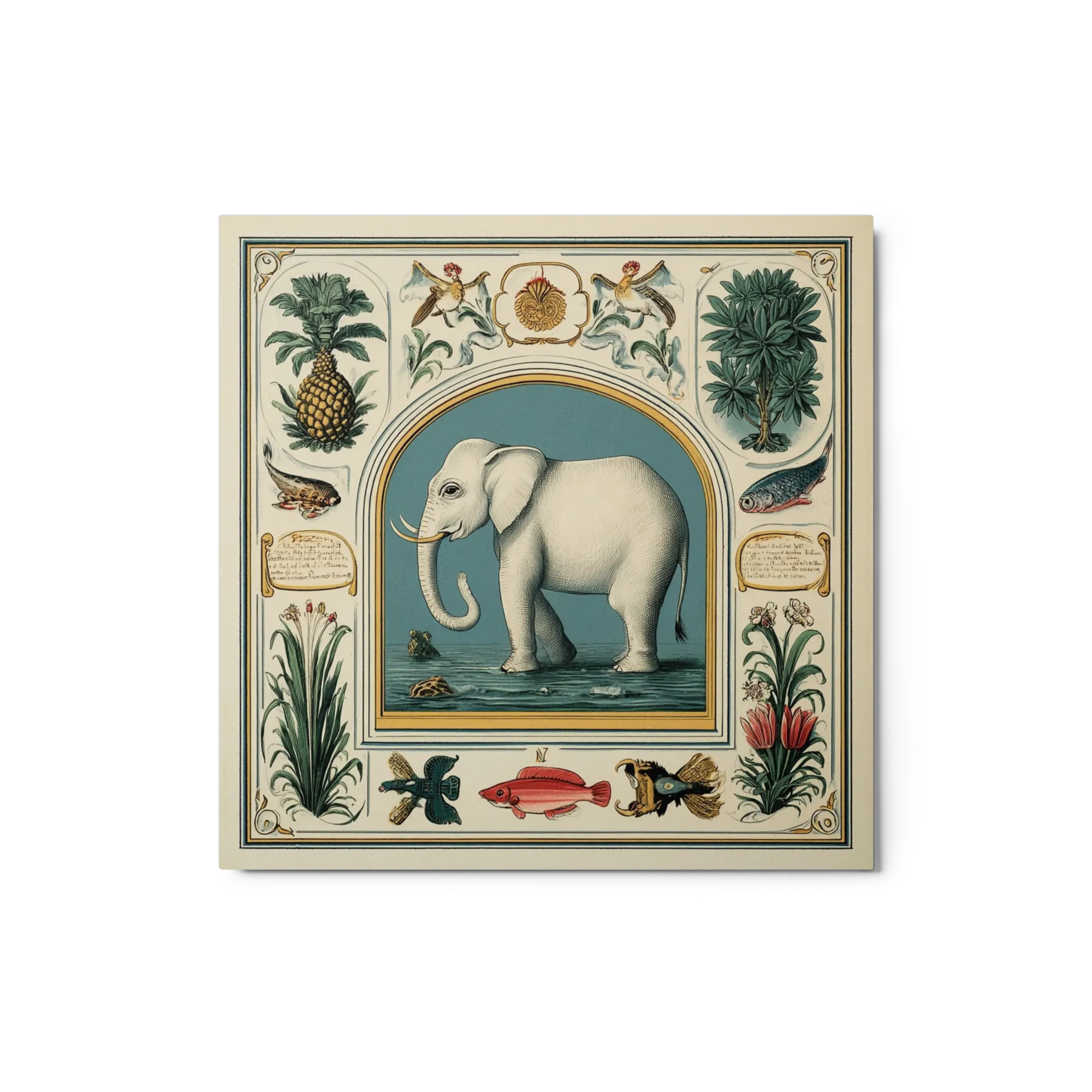
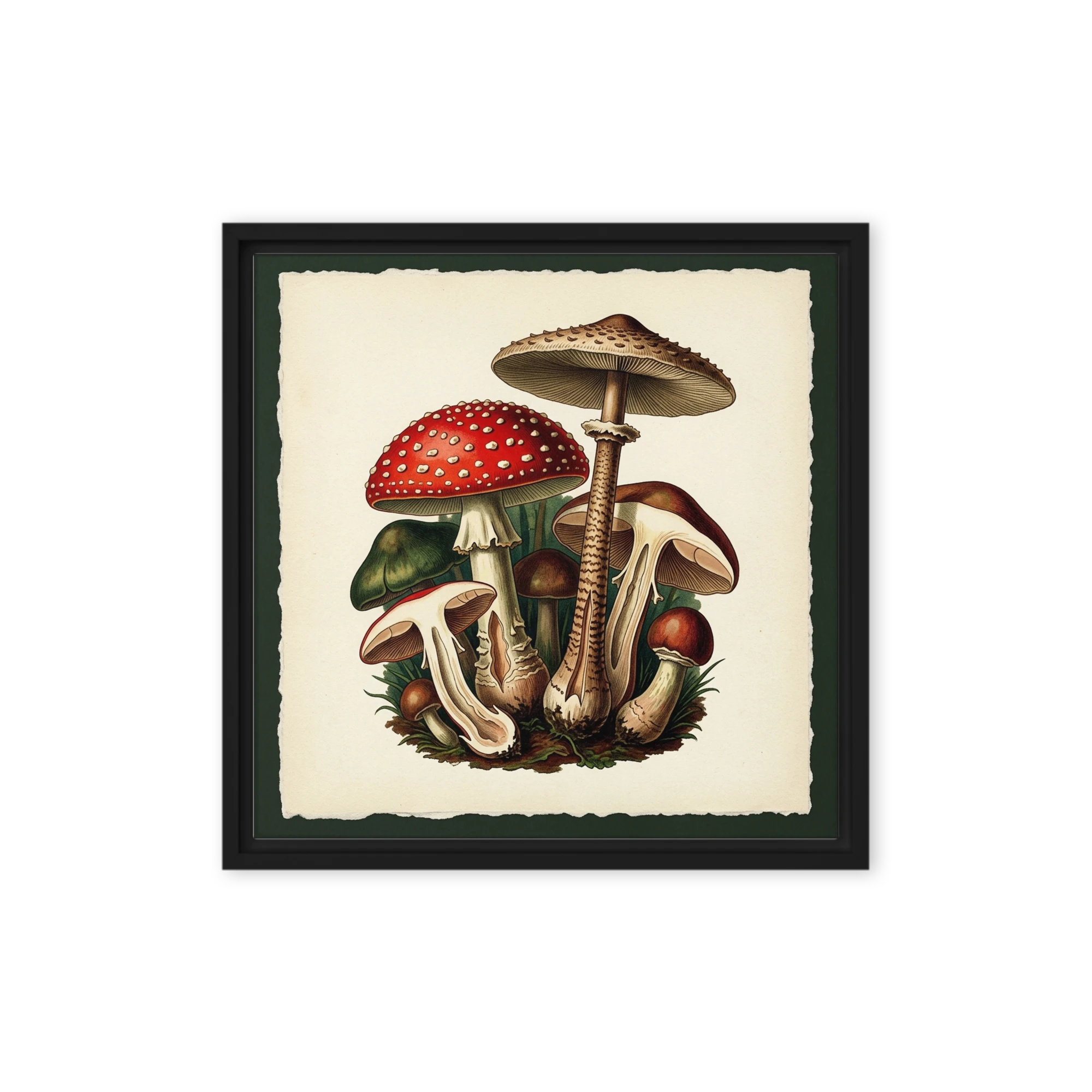
For most rooms, a 18x24 or 24x36 vintage poster sits comfortably in a thin black or natural-wood frame with a small mat — that's the canonical museum-print look, and it scales from hallway to dining room to home office. Our vintage and famous-art catalogue groups reissued exhibition posters, travel-poster reproductions, antique botanical plates, and reissued woodblock prints so you can pick a register that fits the room and not just an image you like.
A thin black or natural-oak frame with a small white mat is the canonical museum-print look and works for the vast majority of vintage posters. Avoid ornate or heavy gold frames unless the piece is genuinely period (e.g. a Belle Epoque reproduction) — they overpower most modern walls.
Our vintage wall art is printed on demand as high-quality reproductions and contemporary work in vintage register. Originals would cost ten to a hundred times more and require conservation framing — reproductions give you the visual hit at a hangable price.
Hallways suit a series of medium prints (16x20 or 18x24) hung in a line at consistent height, rather than one large piece. The narrow sight lines reward repetition; a single oversized poster usually crowds a corridor.
Yes — vintage posters in thin black frames are one of the most reliable bridges between a modern room and a layered, collected feel. The shorthand reads 'culturally engaged' rather than 'period-themed', which is why they appear in so many design-magazine living rooms.

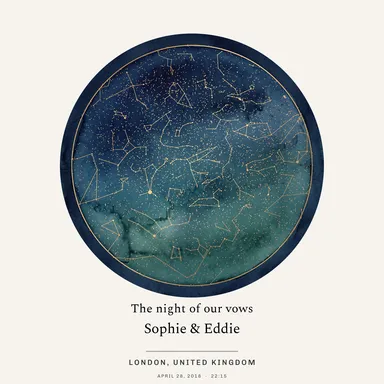 Star Map
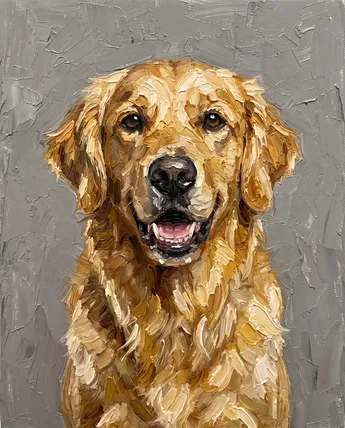 Pet Portrait
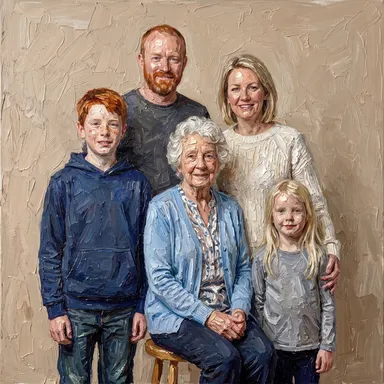 Portraits
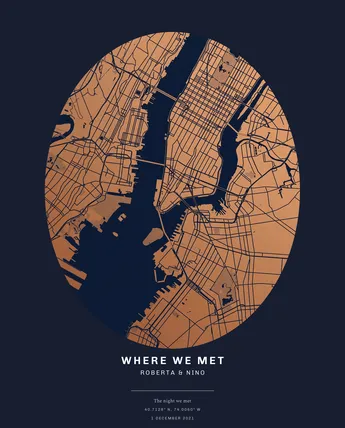 Maps
Maps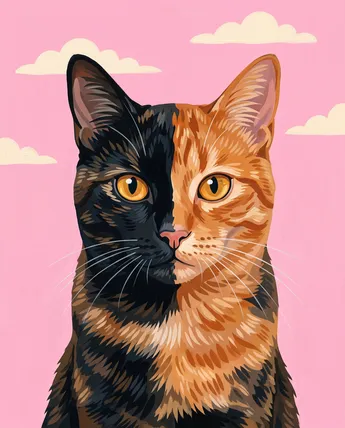 Cats
Cats Family
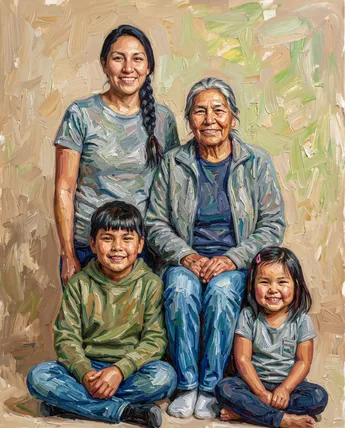 Multi-Generation
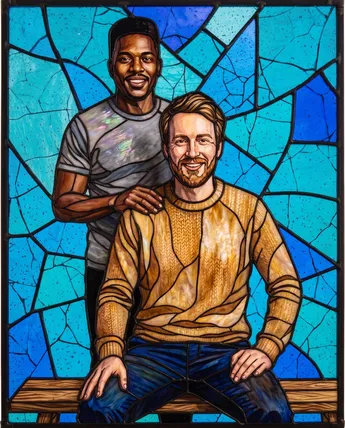 Couple
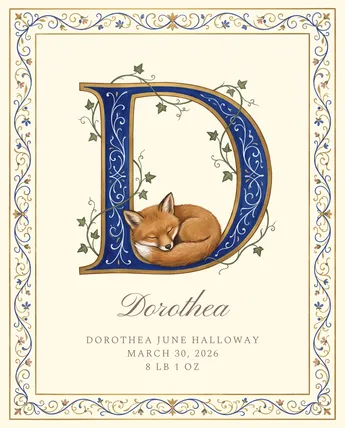 New Baby
 Black & White
 Colorful
 Feeling Blue
 Golden Touch
 Purple Reign
 Burnt Orange
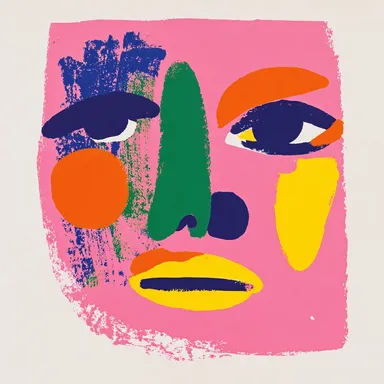 In the Pink
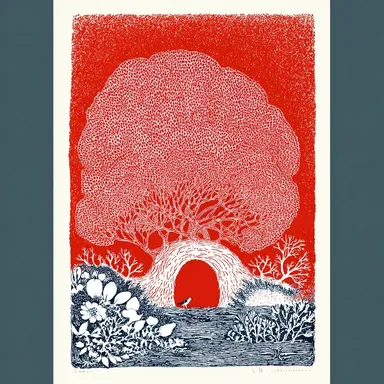 Seeing Red
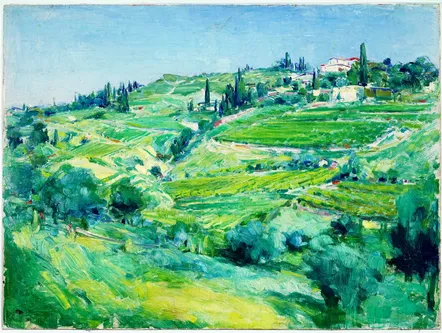 Evergreen
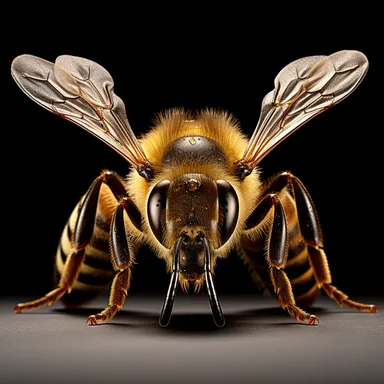 Earthy Browns
 Explore by Theme
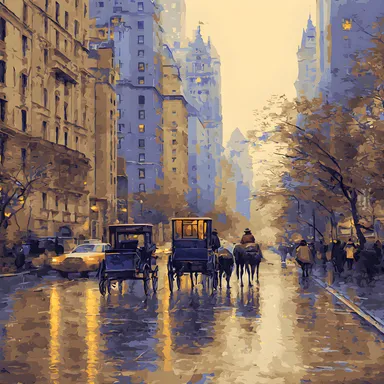 Maps & City Lovers
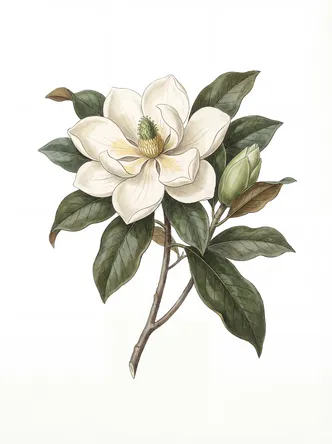 Landscape & Nature
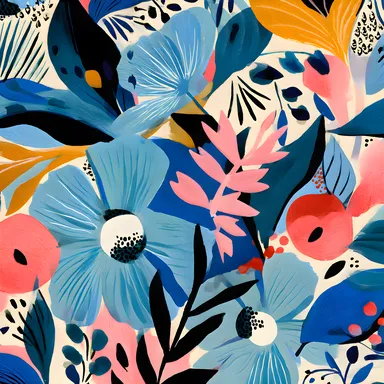 Botanical & Floral
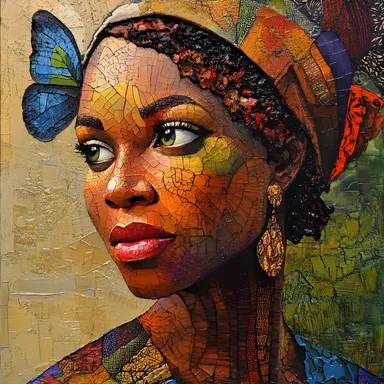 Figurative & Portraits
 Travel
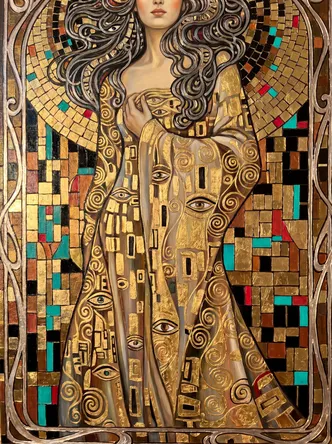 Vintage & Famous Art
 Photography
 Abstract
 Watercolors
 Line Art
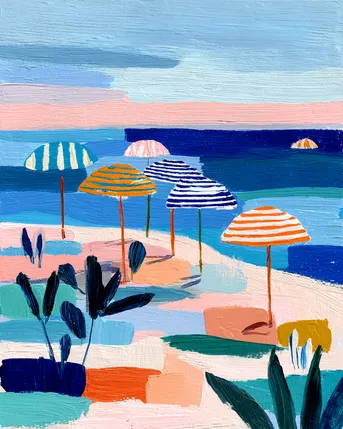 Pastels
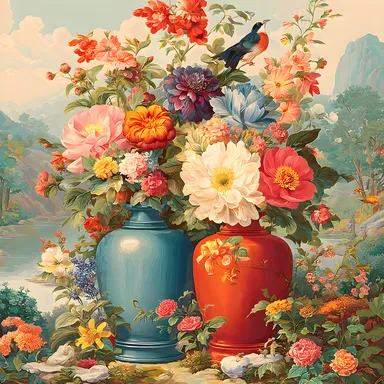 Vintage & Retro
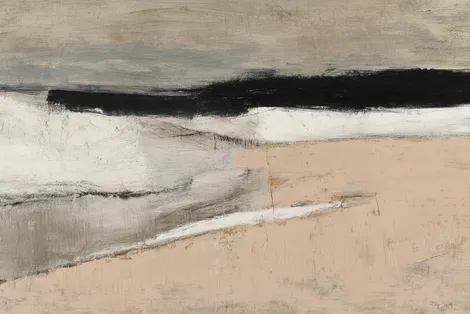 Minimalist
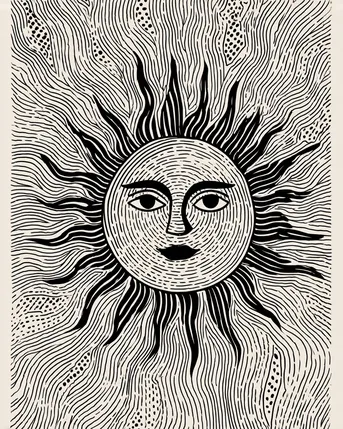 Block Prints & Linocuts
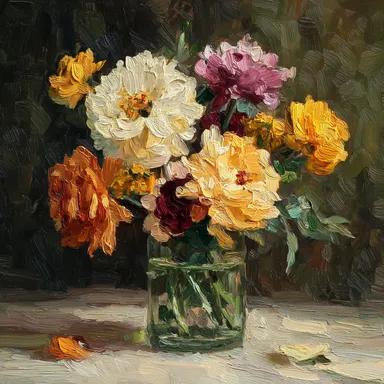 Impasto & Texture
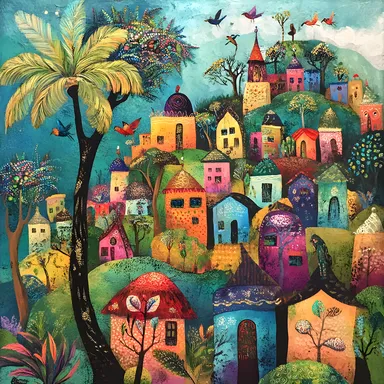 Folk & Naive
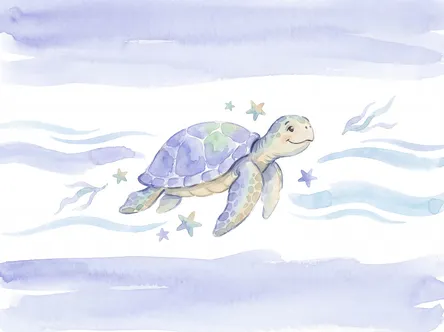 By Room
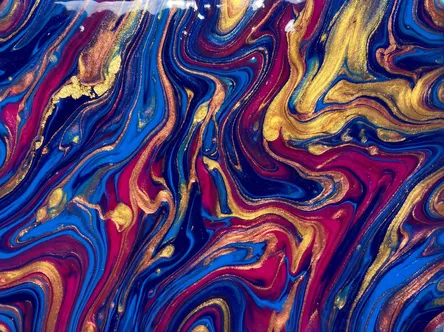 Living Room
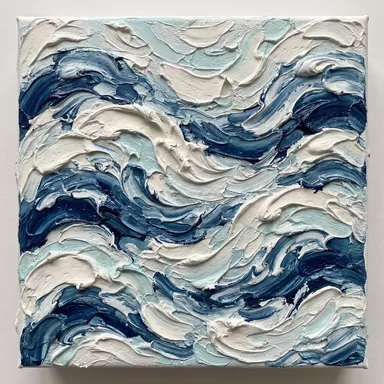 Bedroom
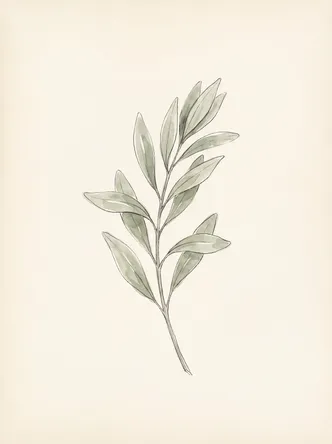 In the Office
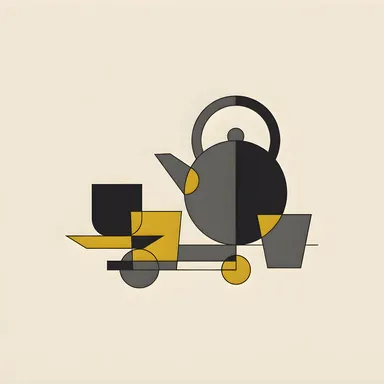 Kitchen
 Nursery Room
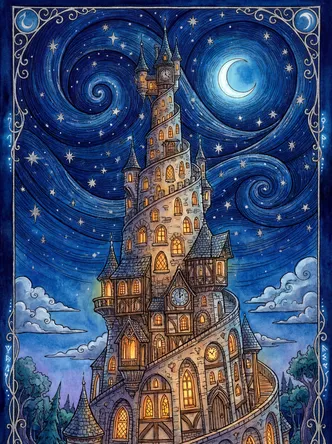 Children's Room
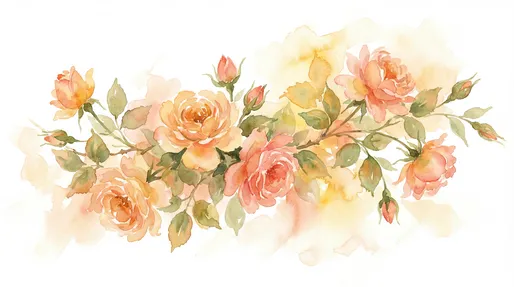 In the Bathroom
 For Your Business
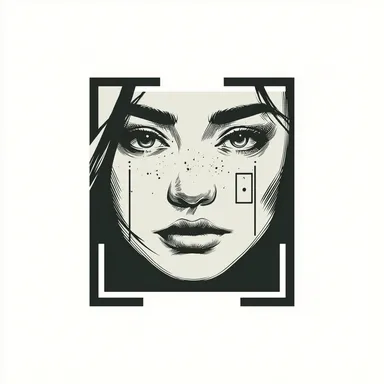 Minimalist & Modern
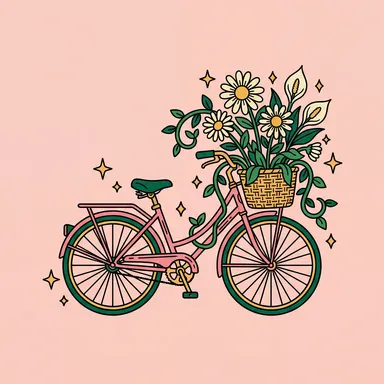 Vintage & Retro
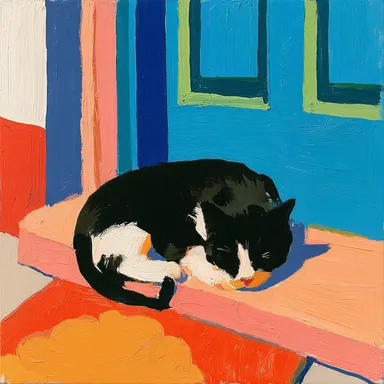 Cats & Animals
 Abstract & Geometric
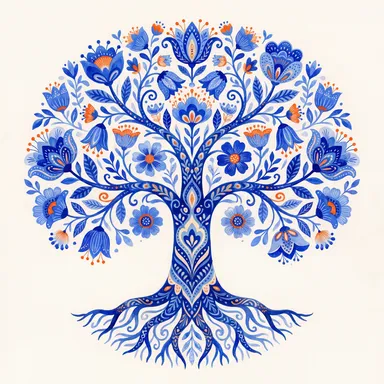 Floral & Botanical