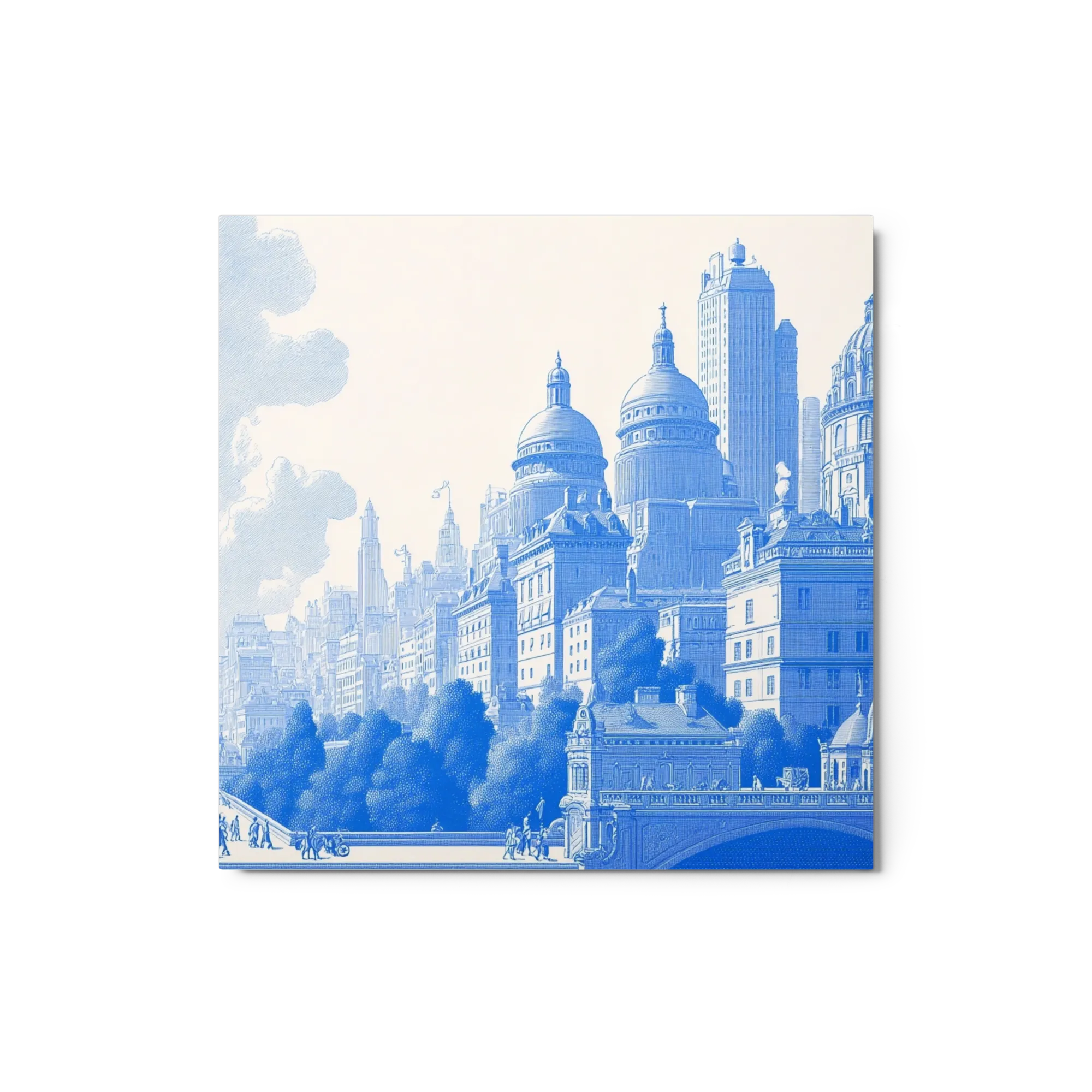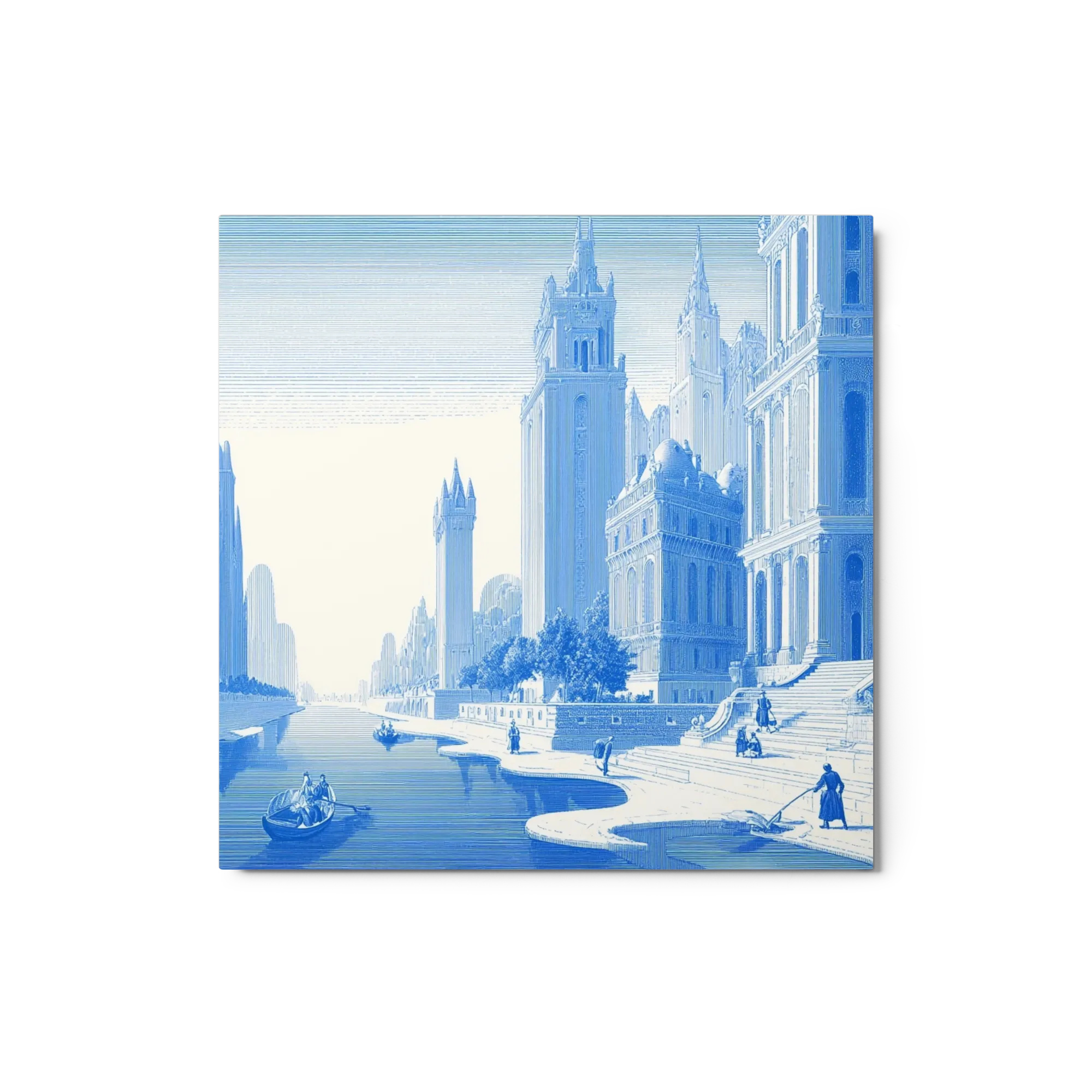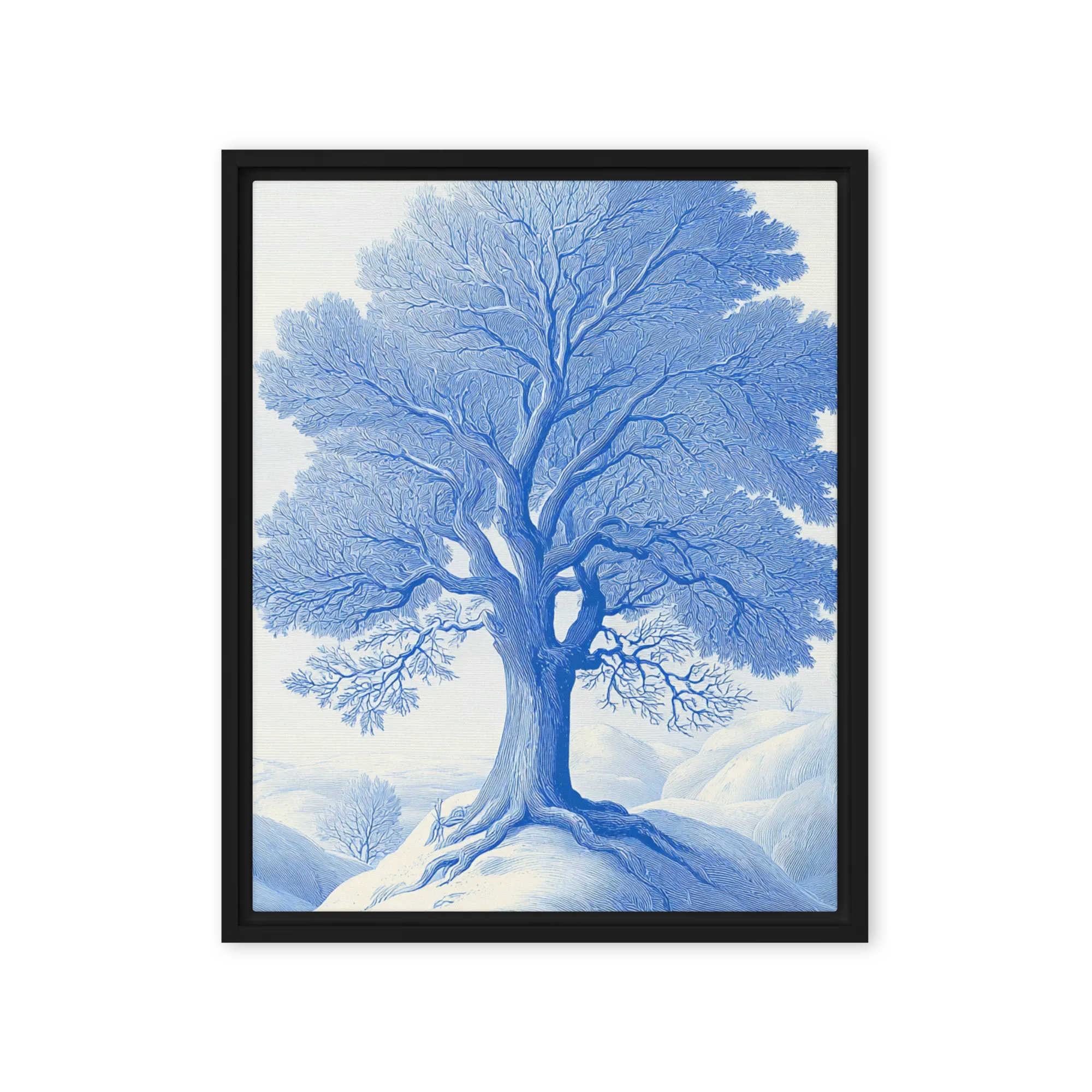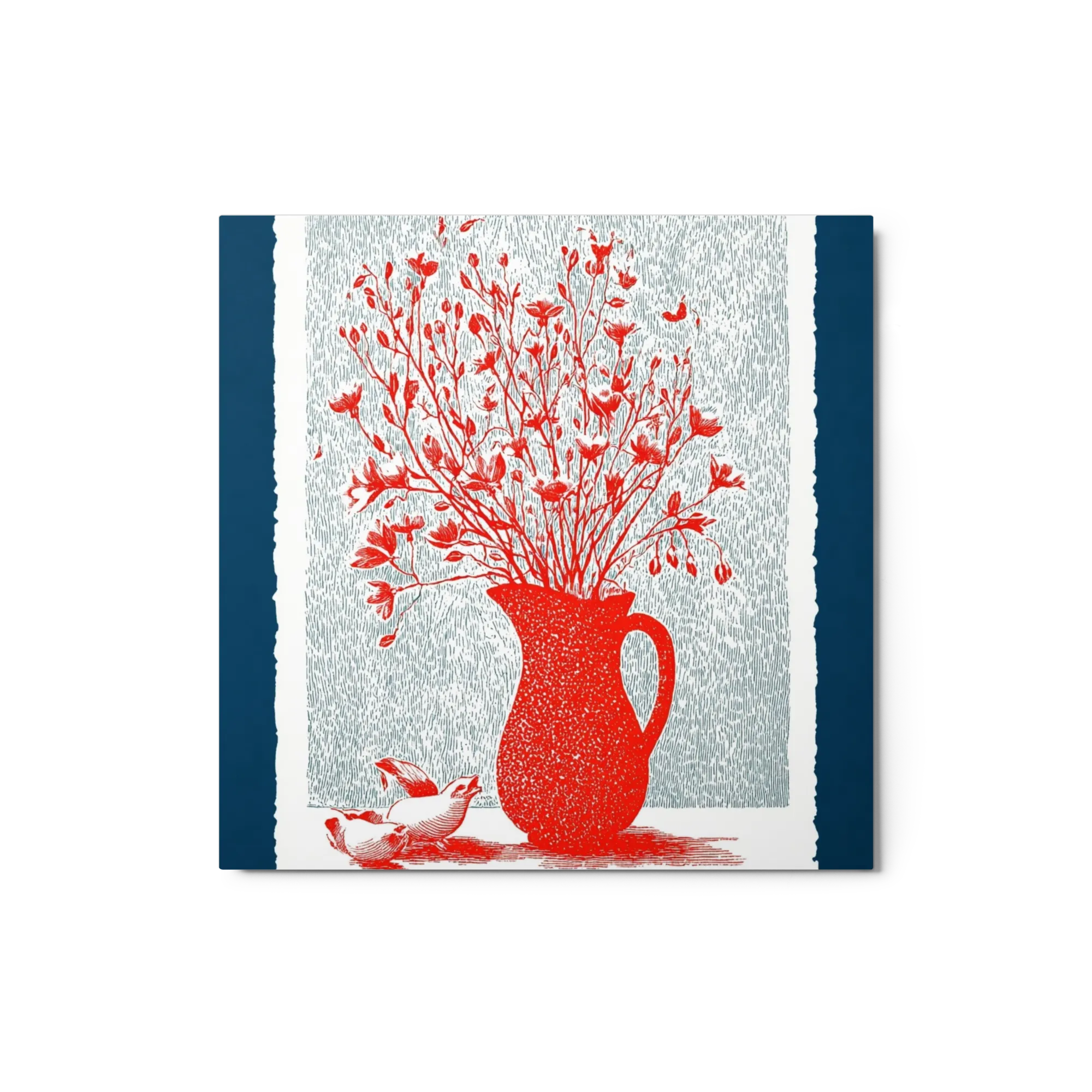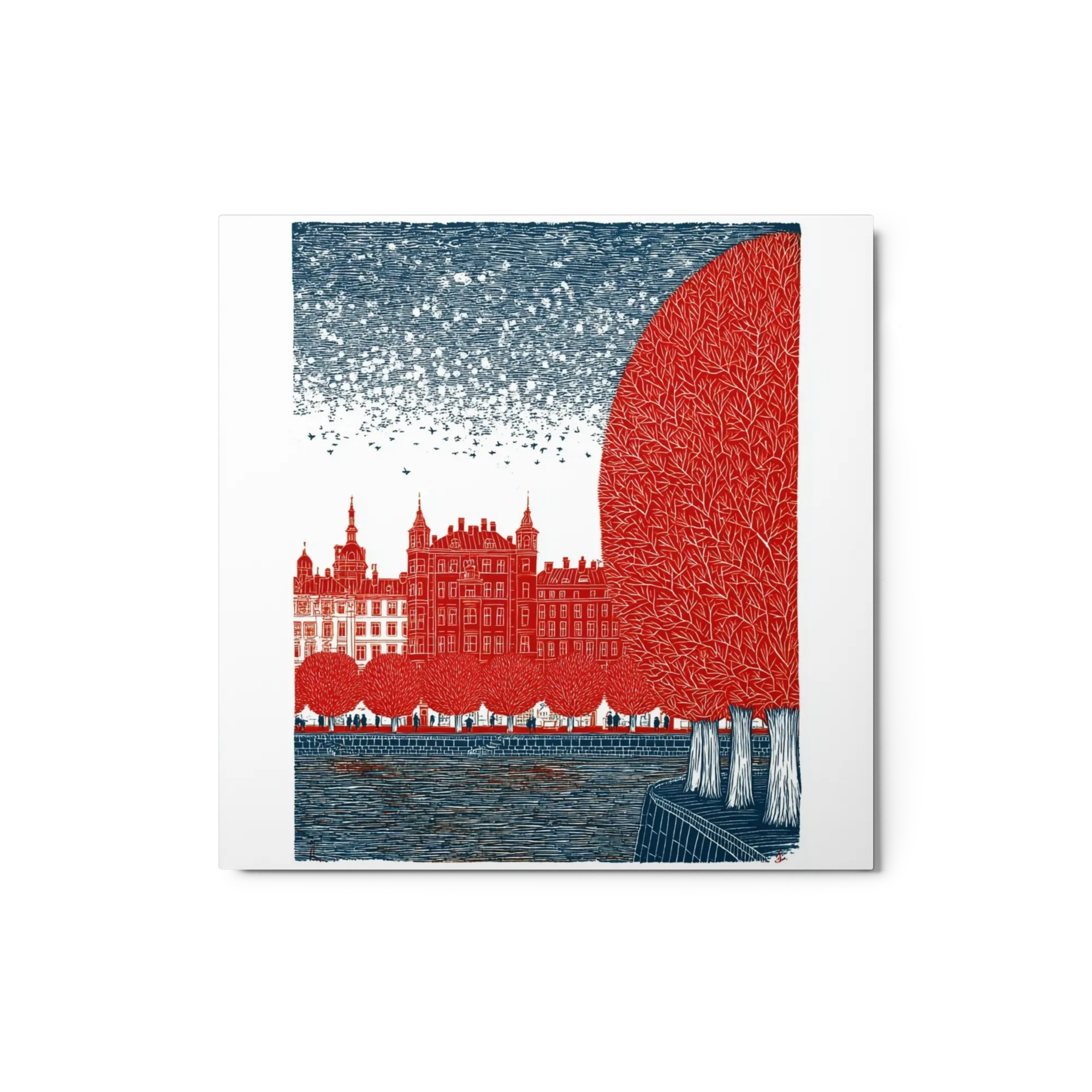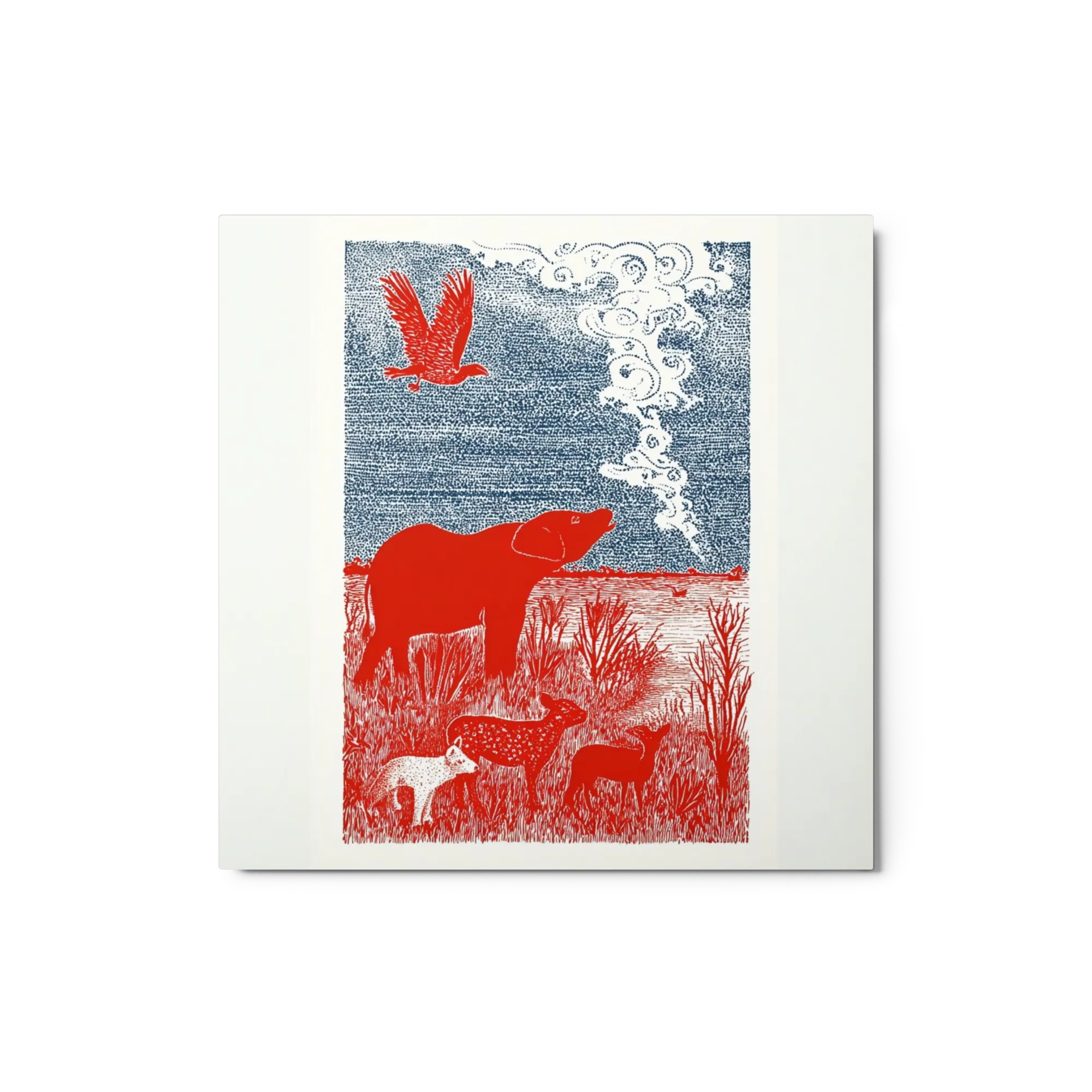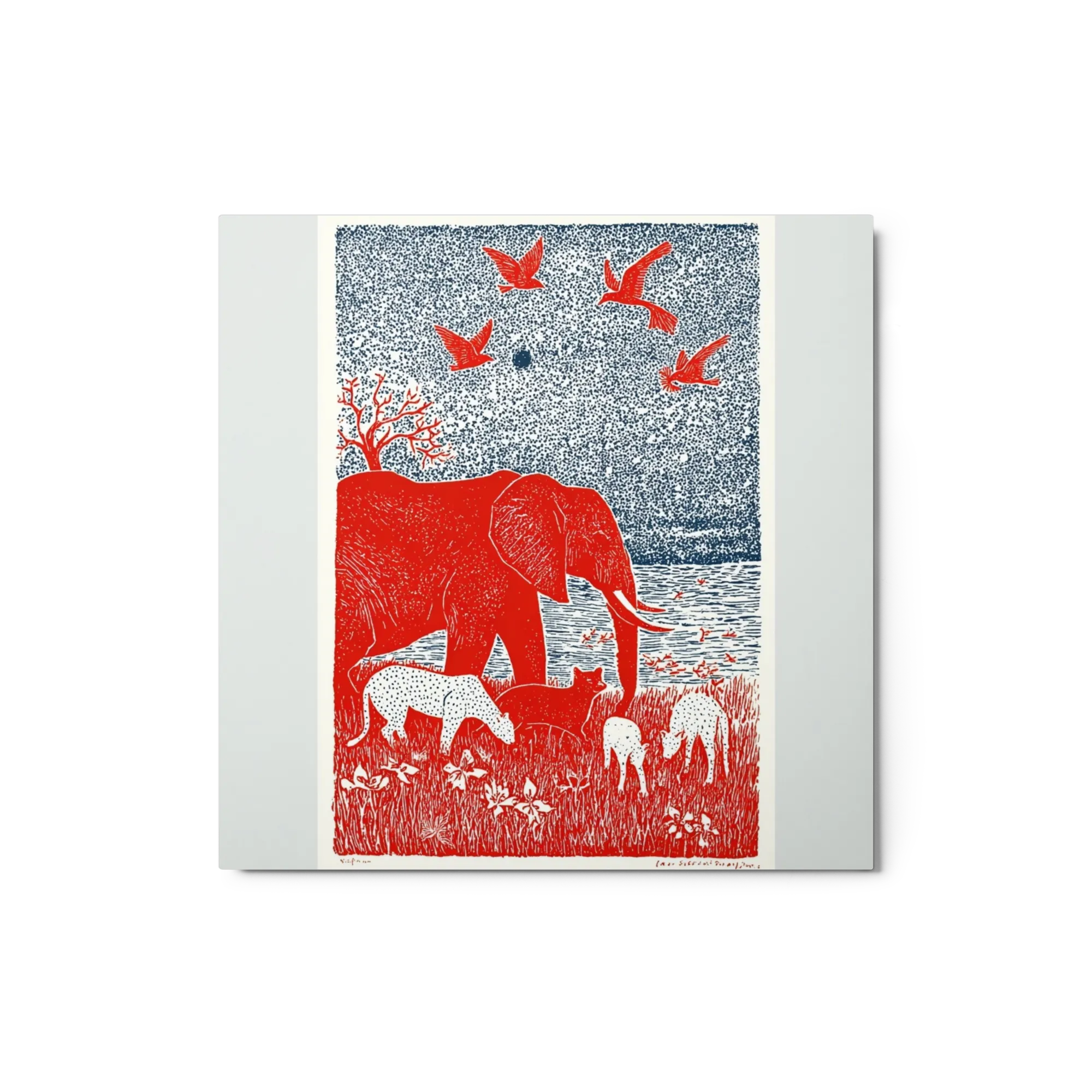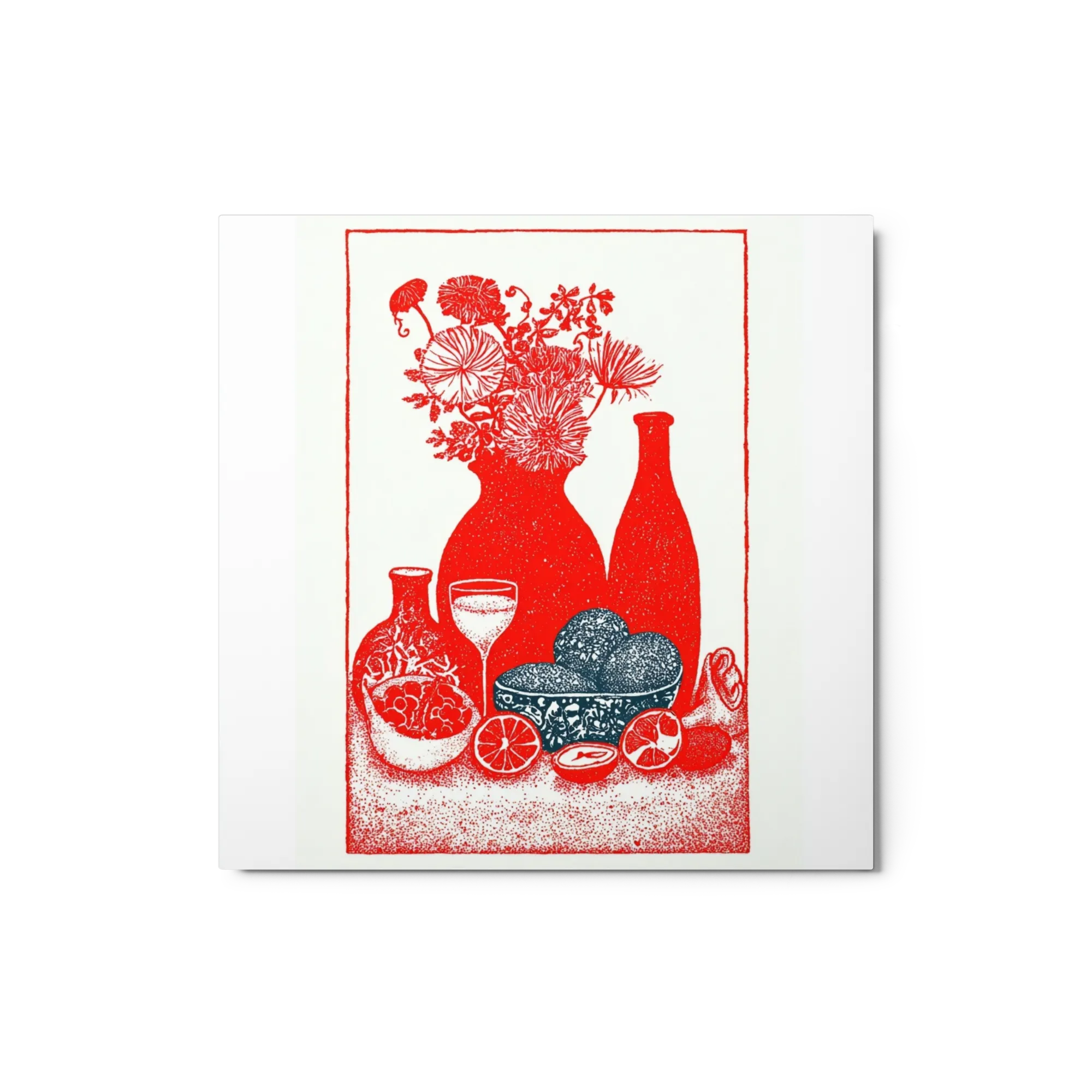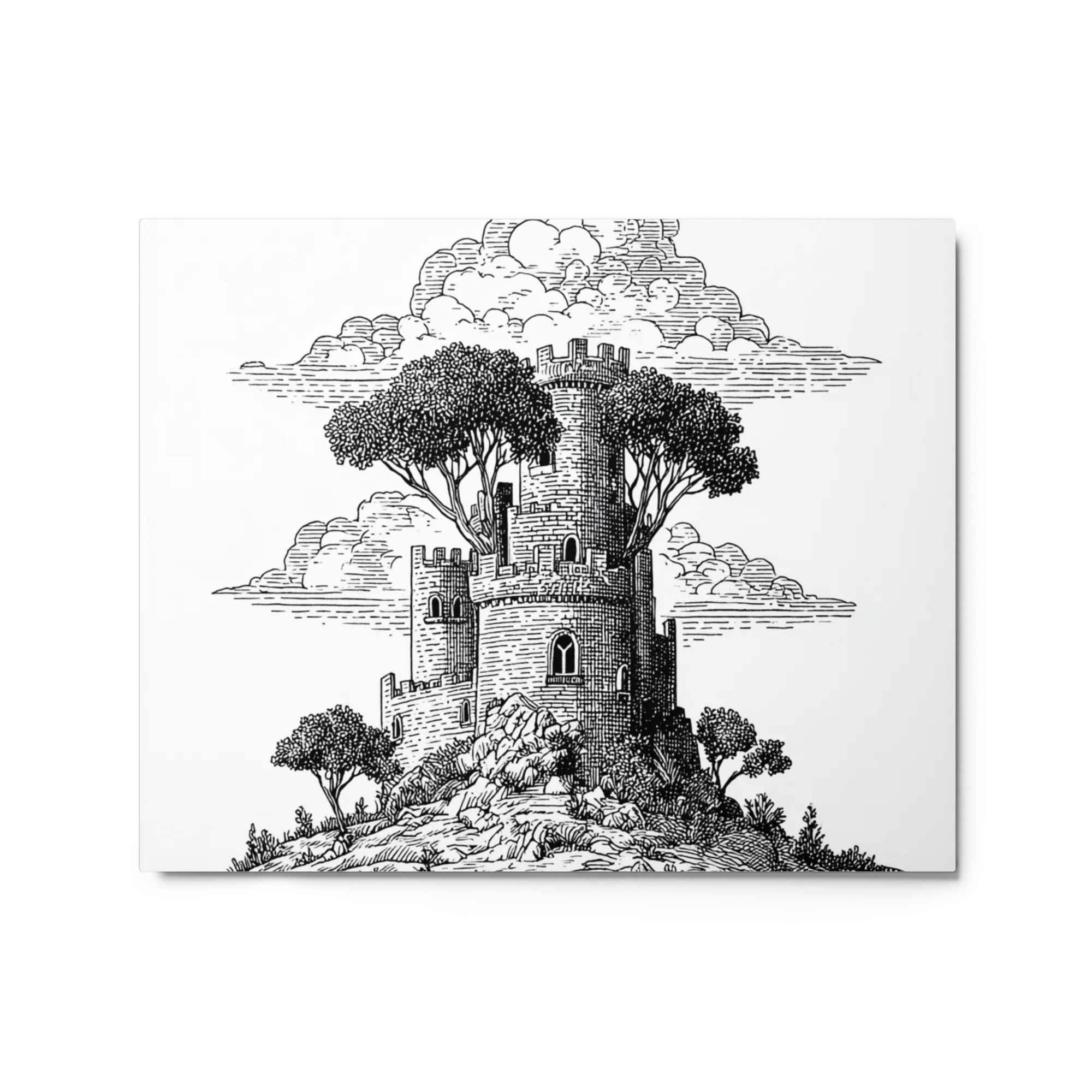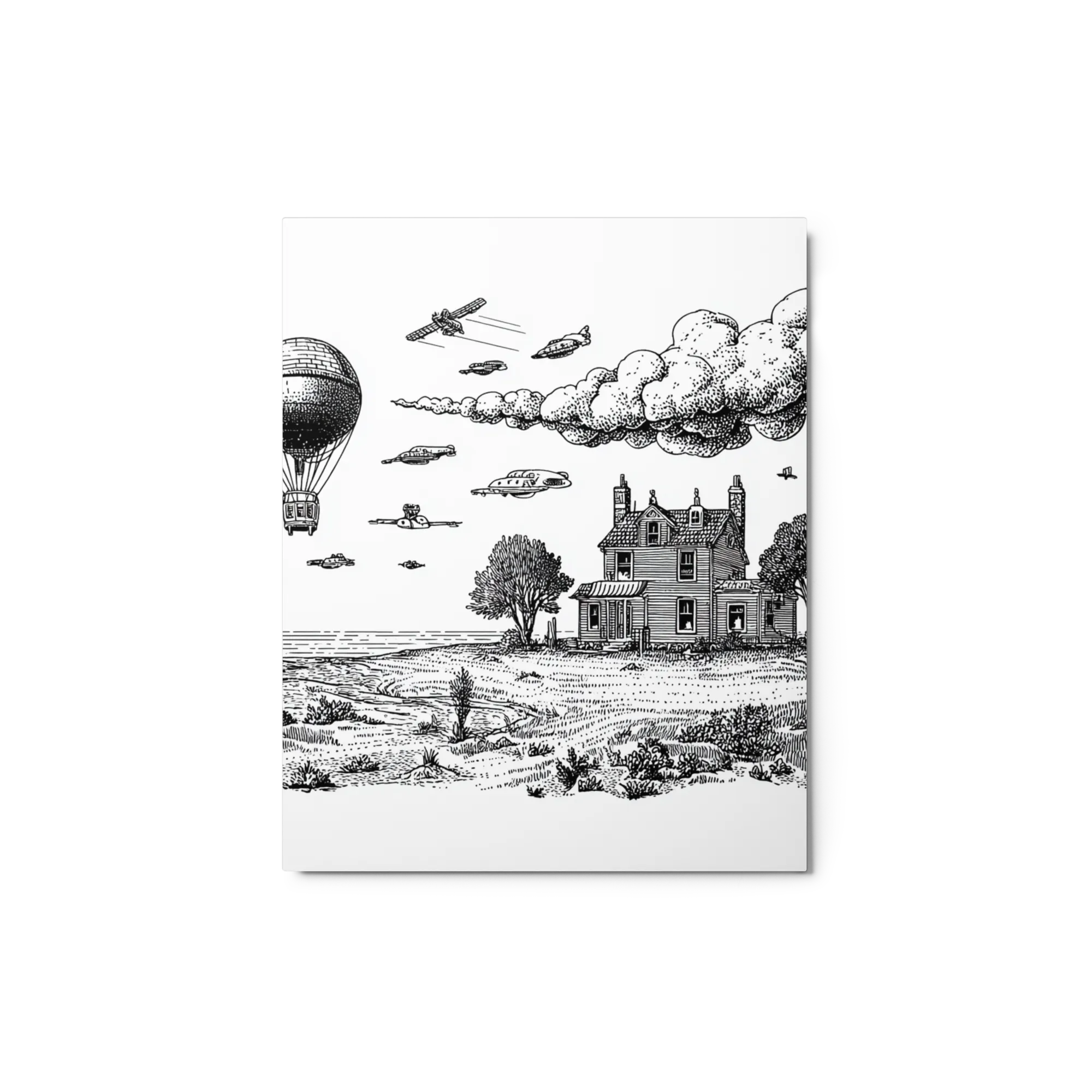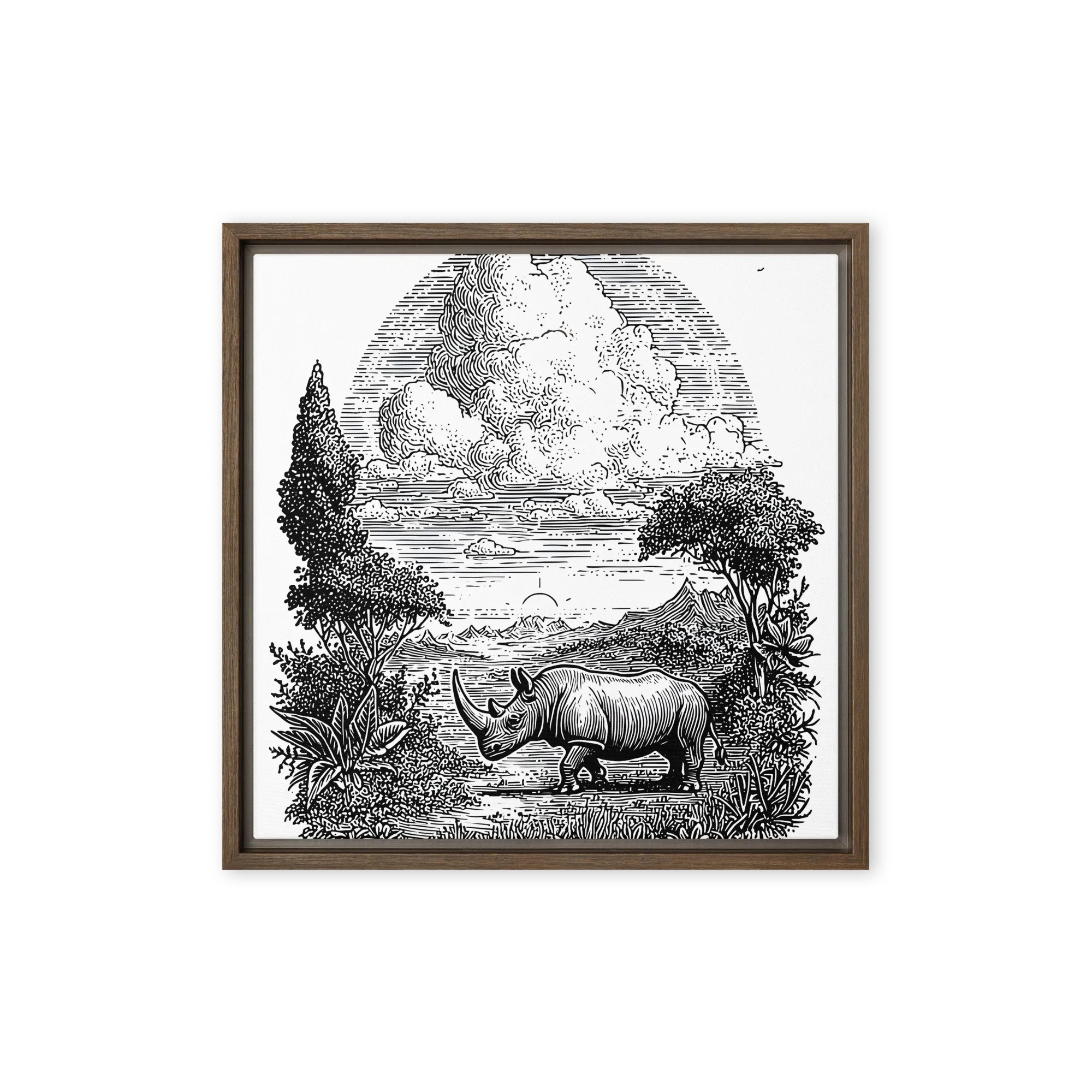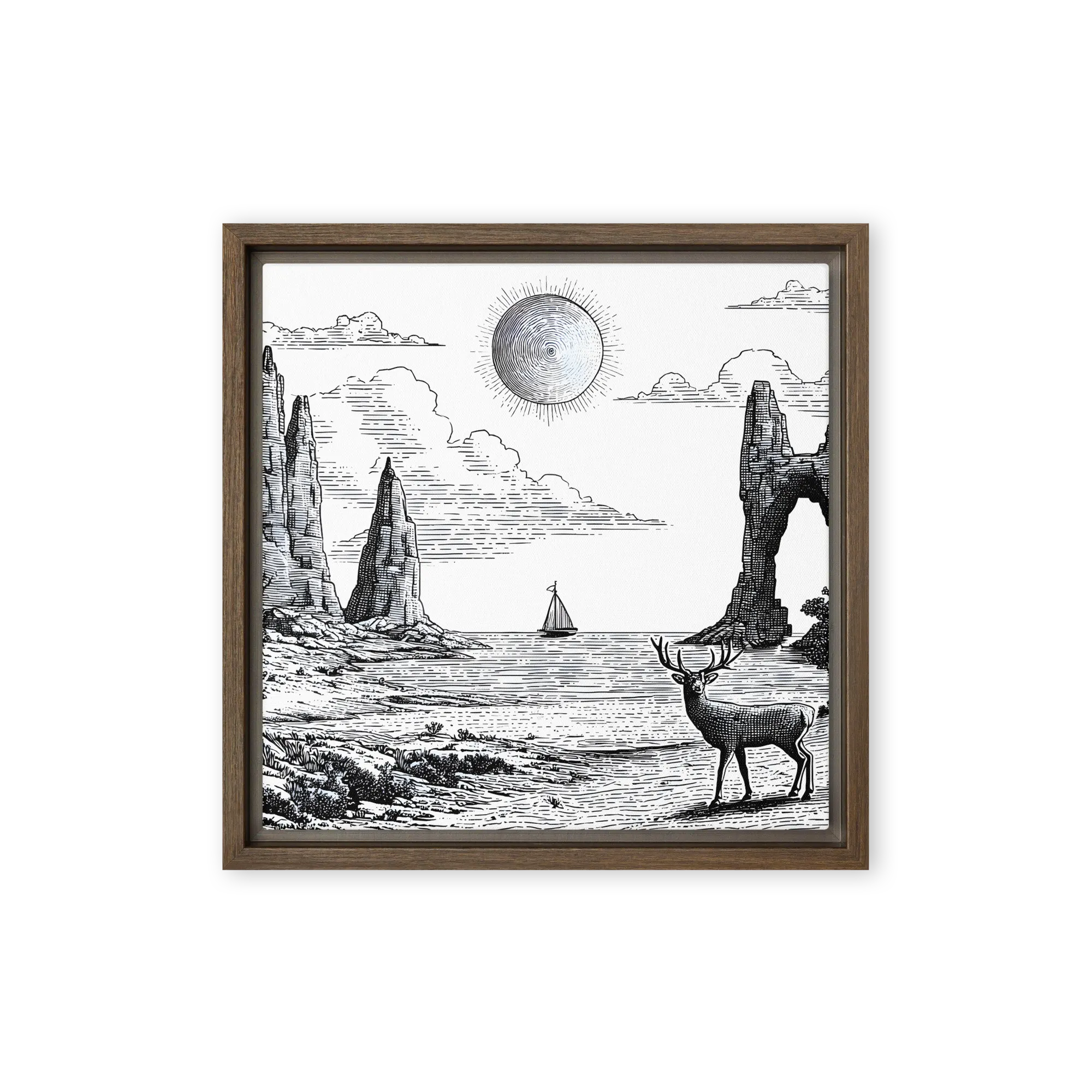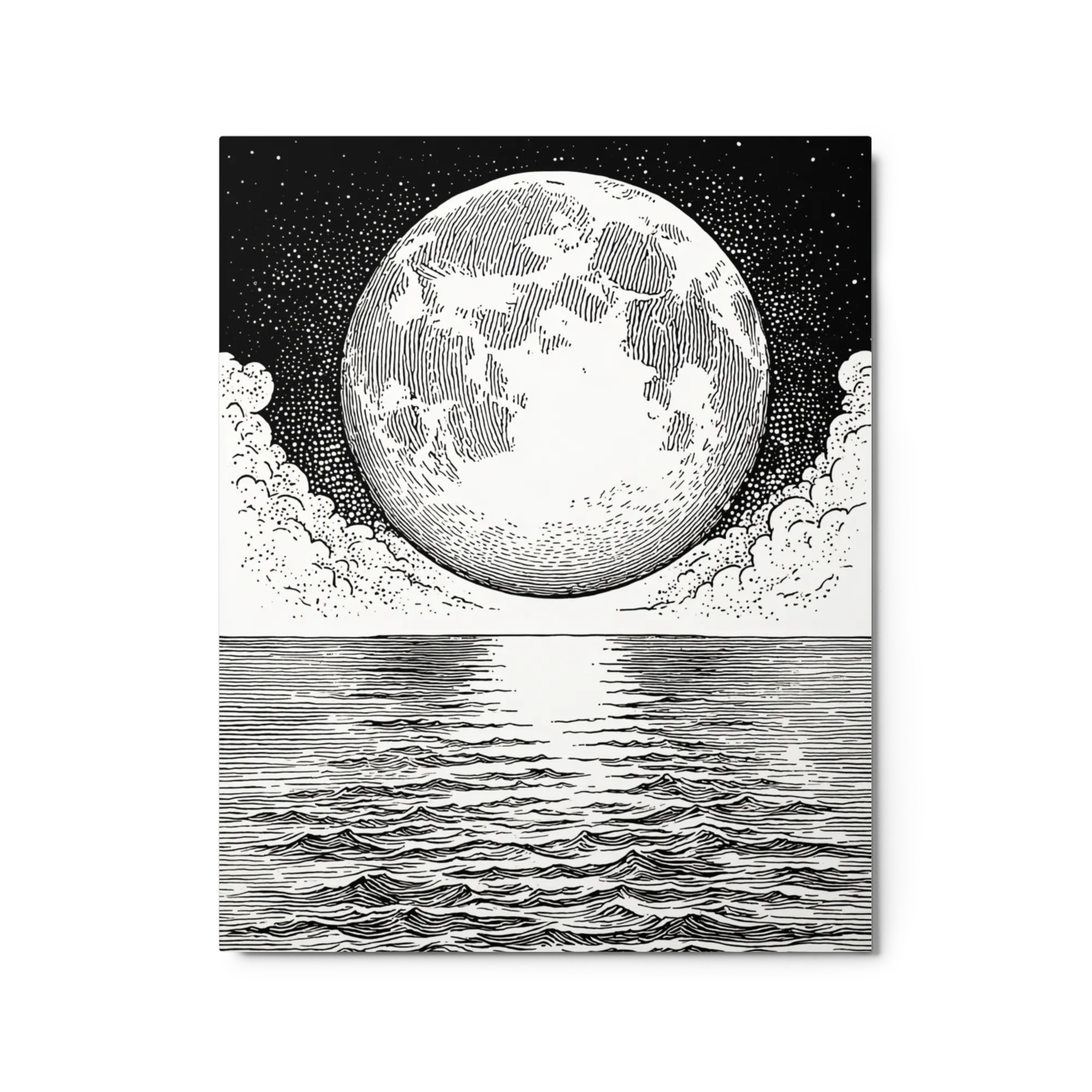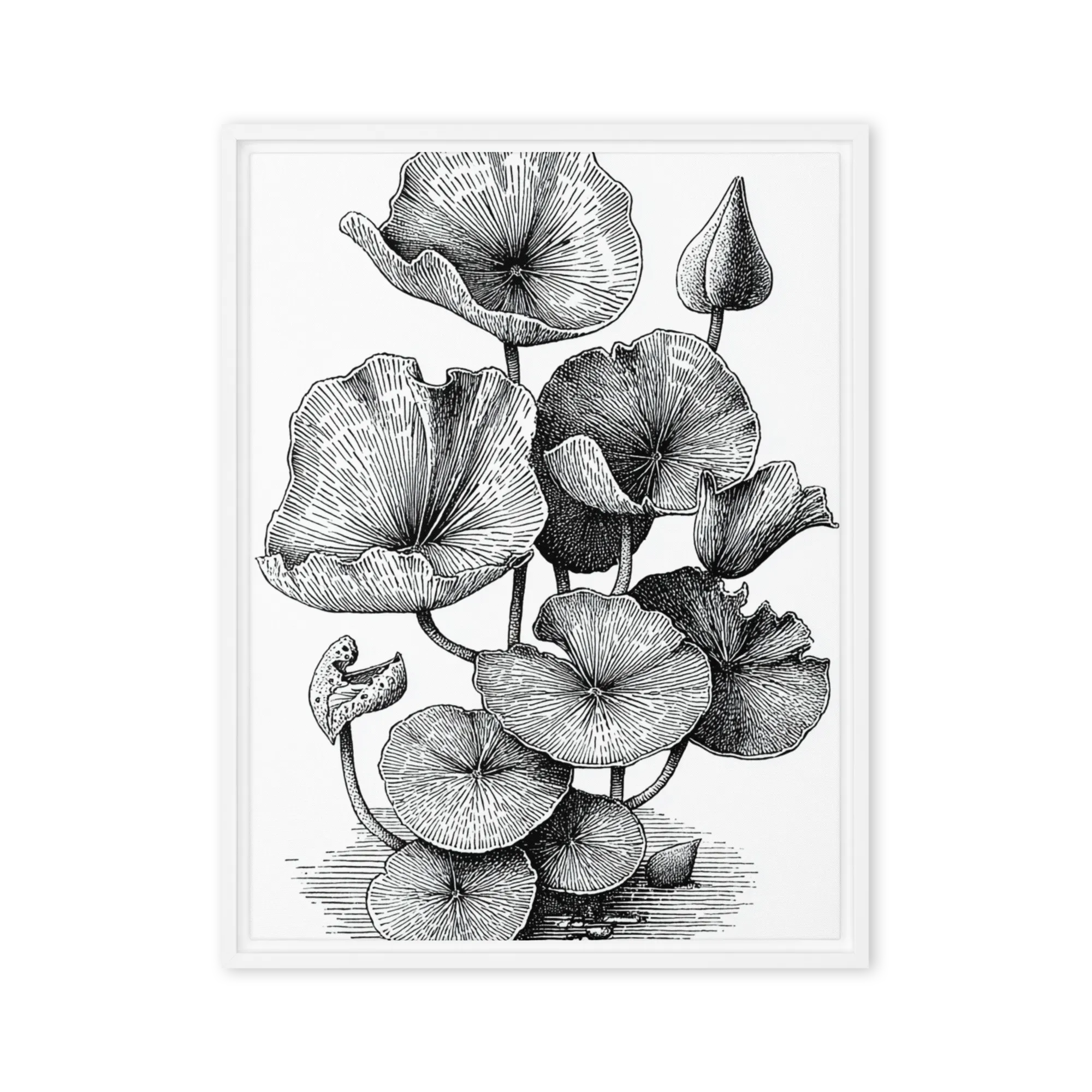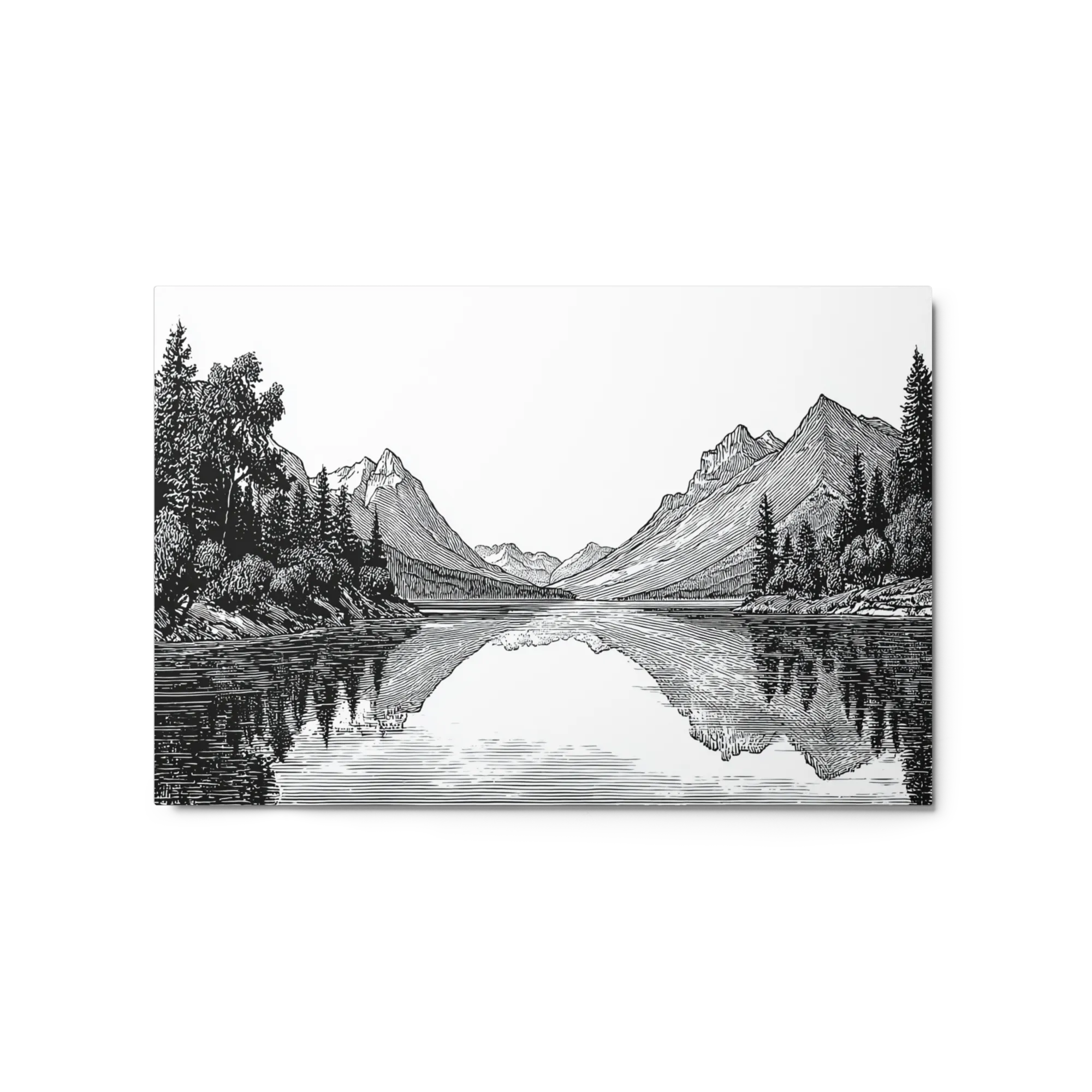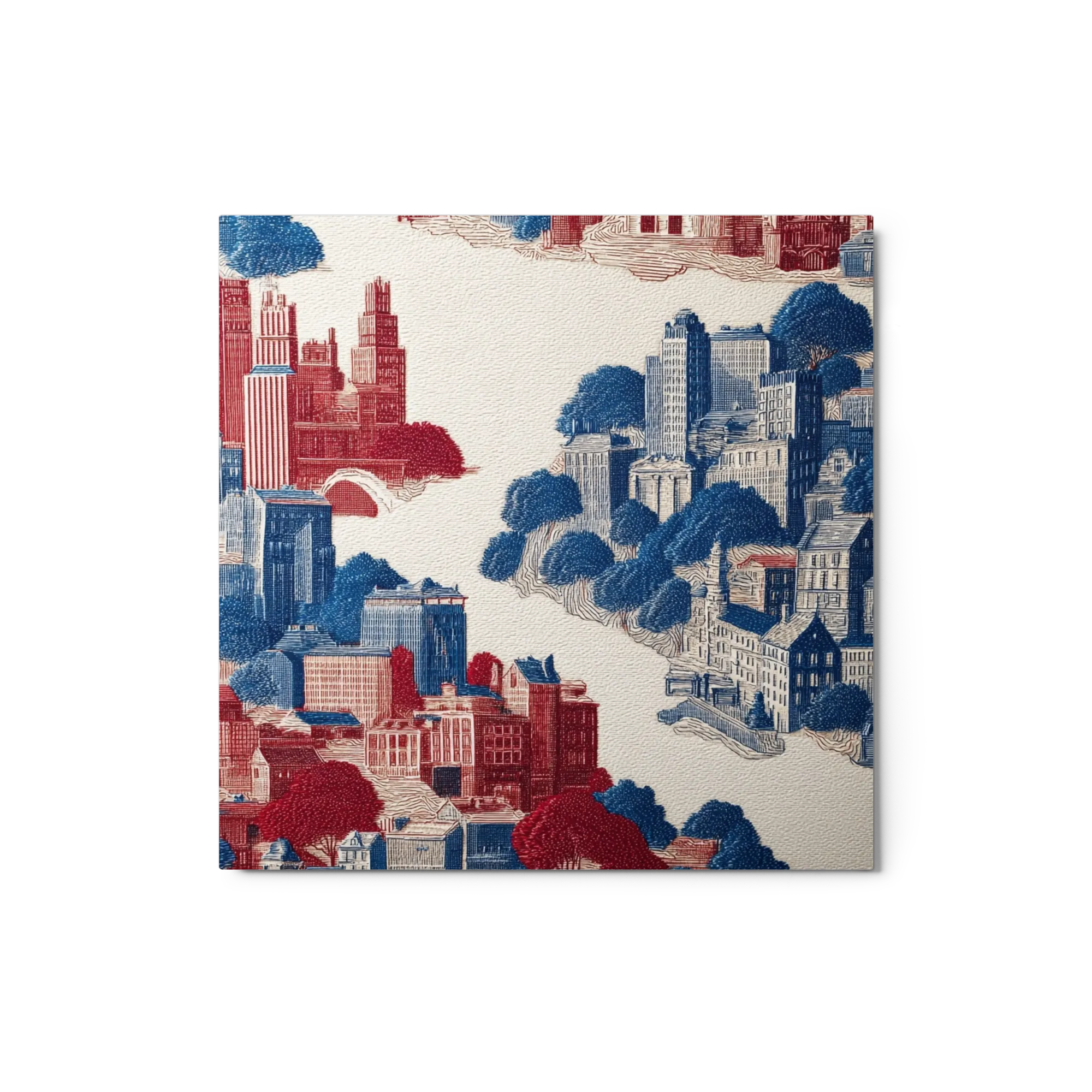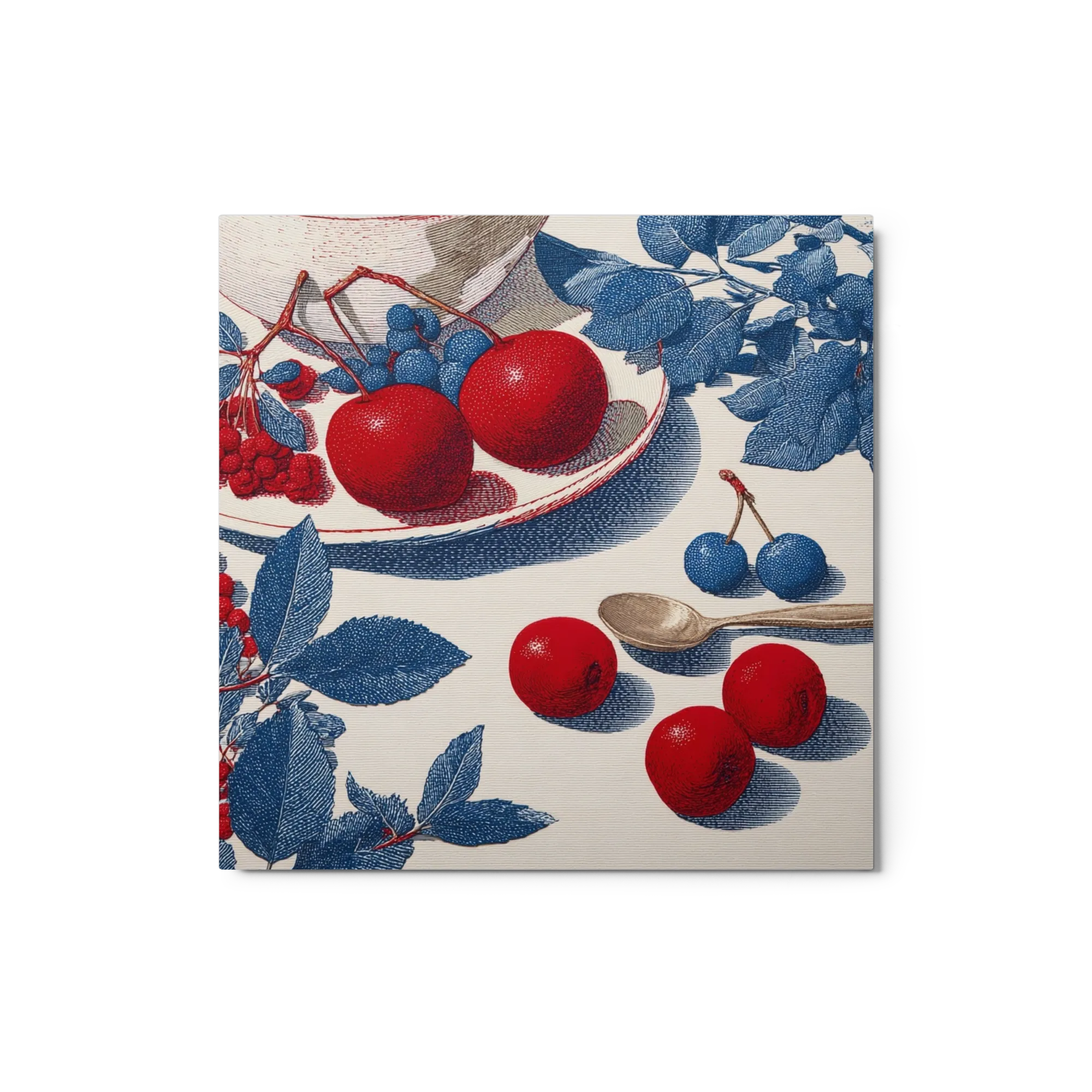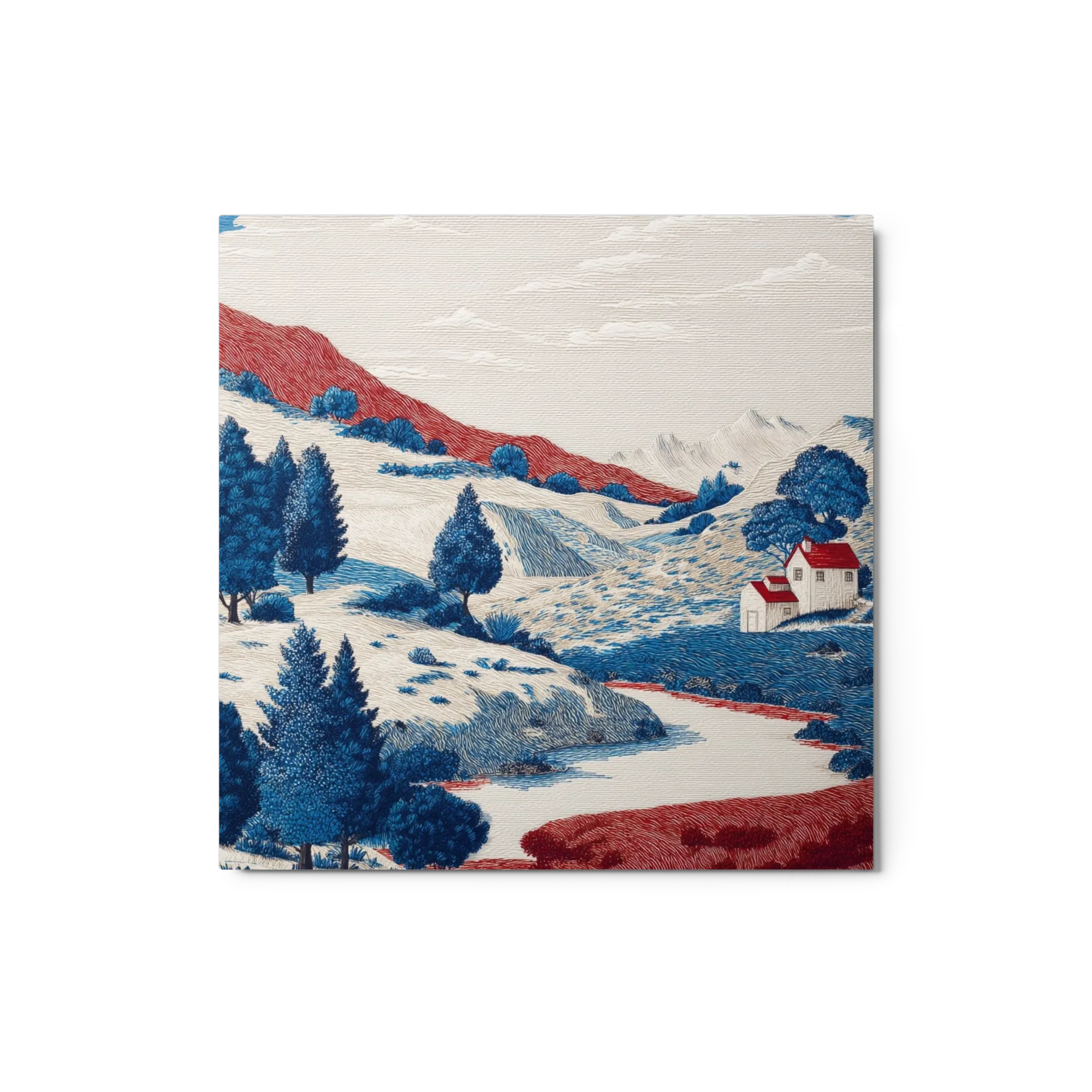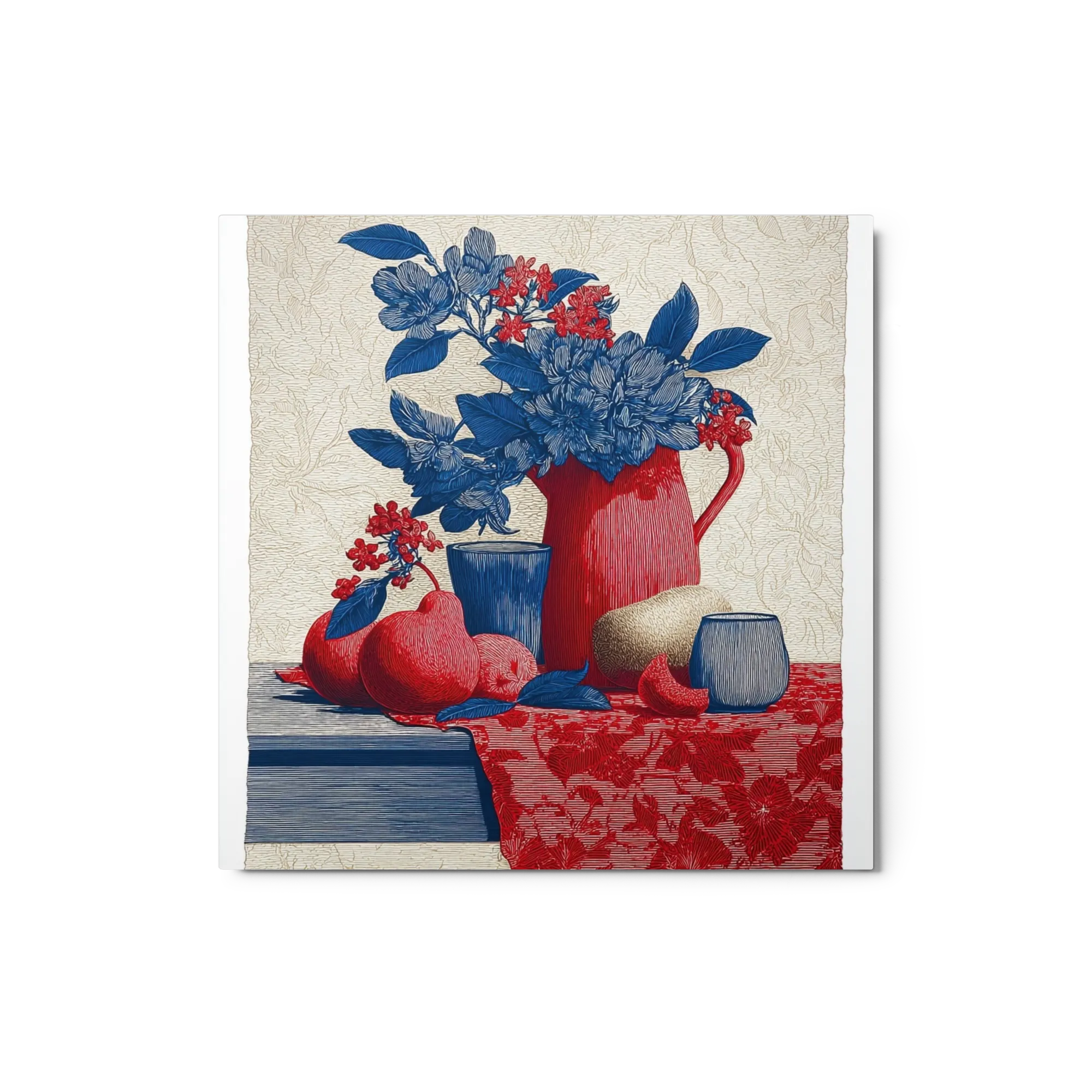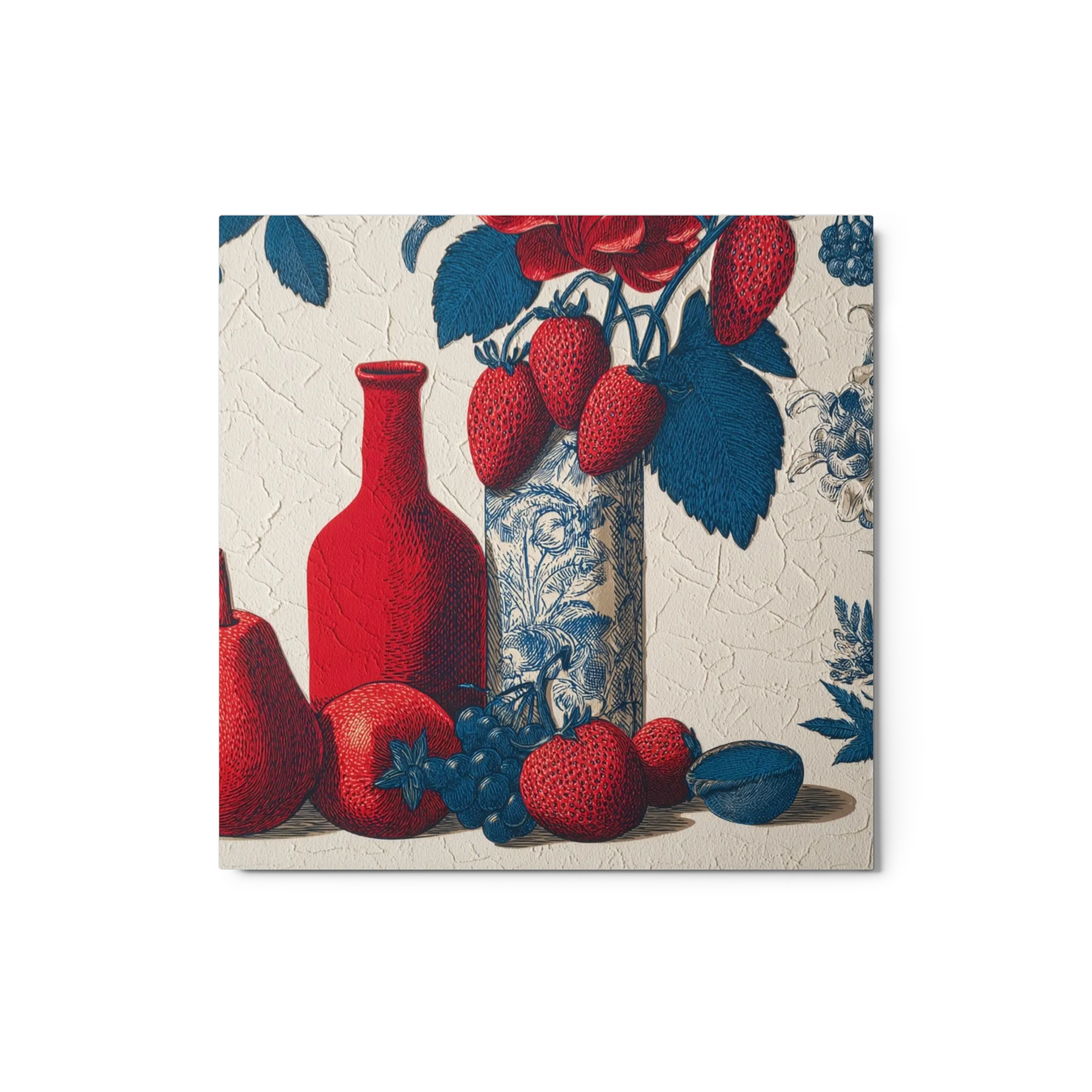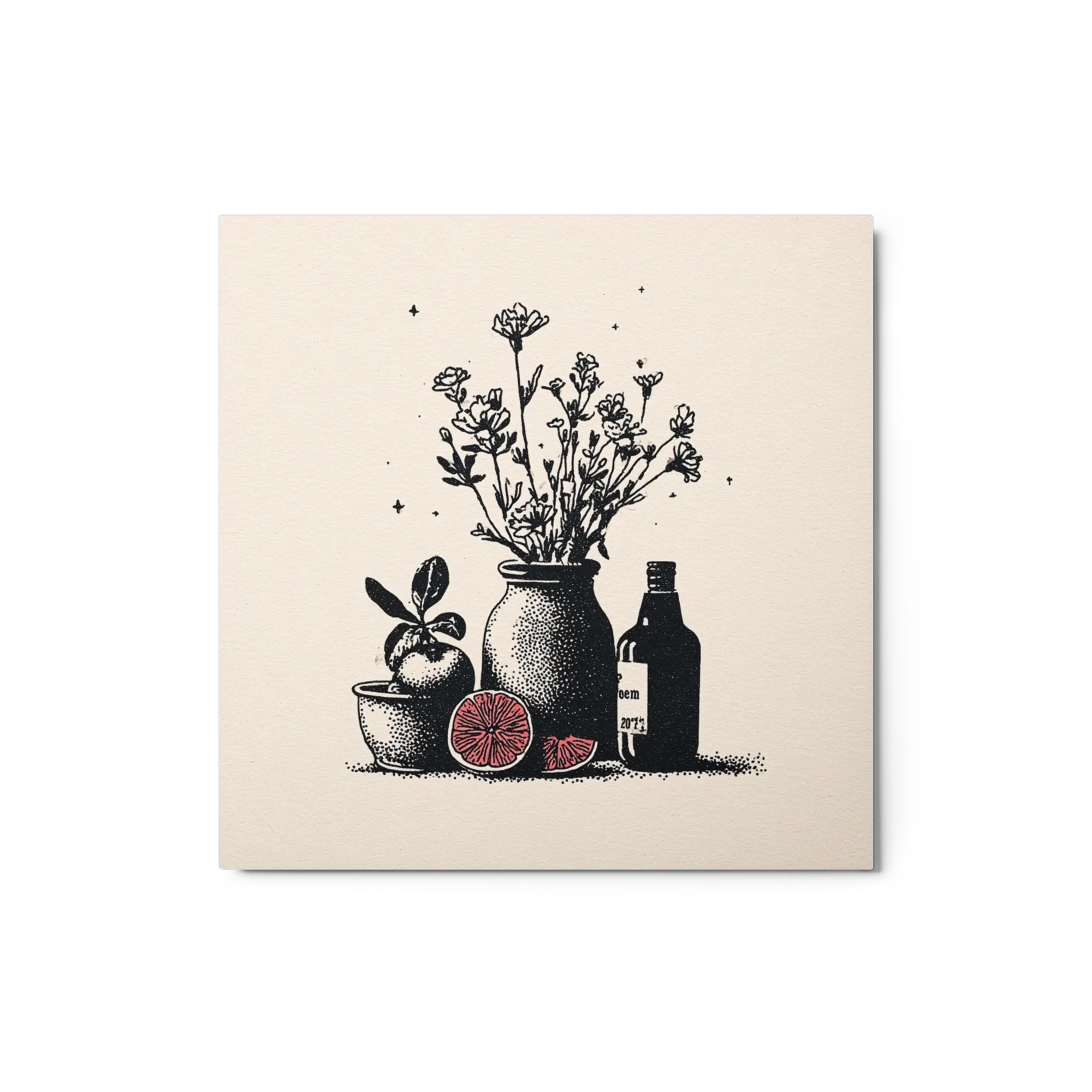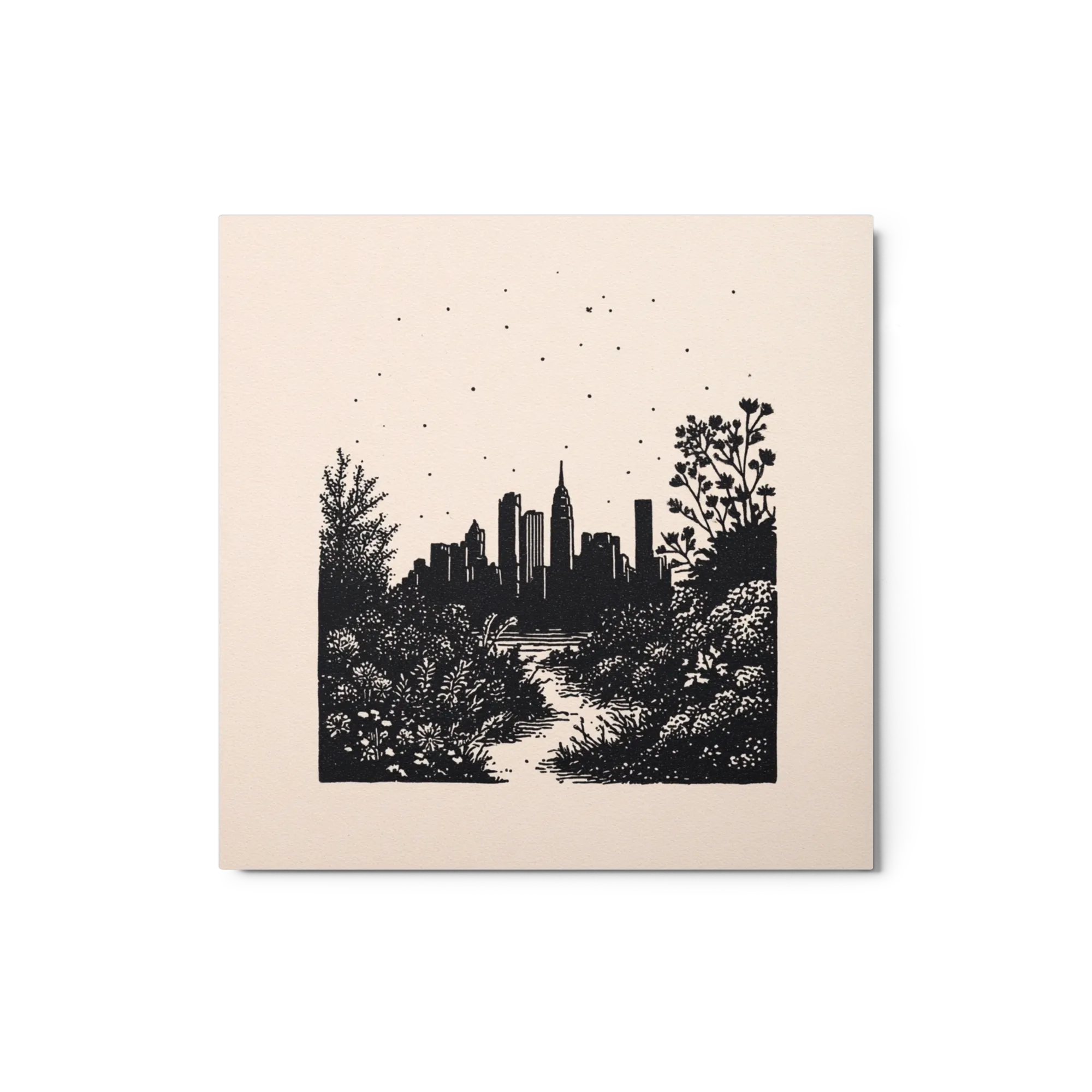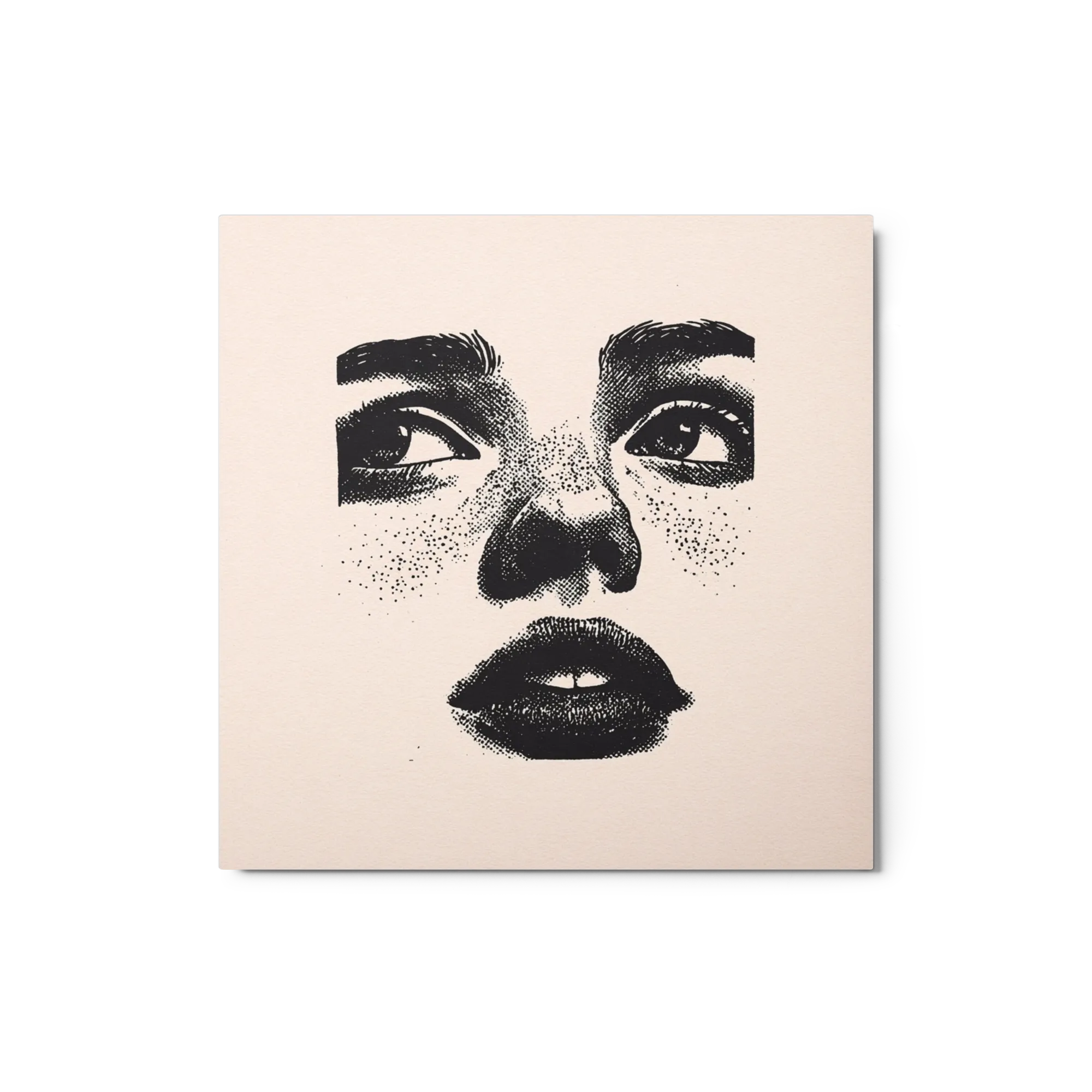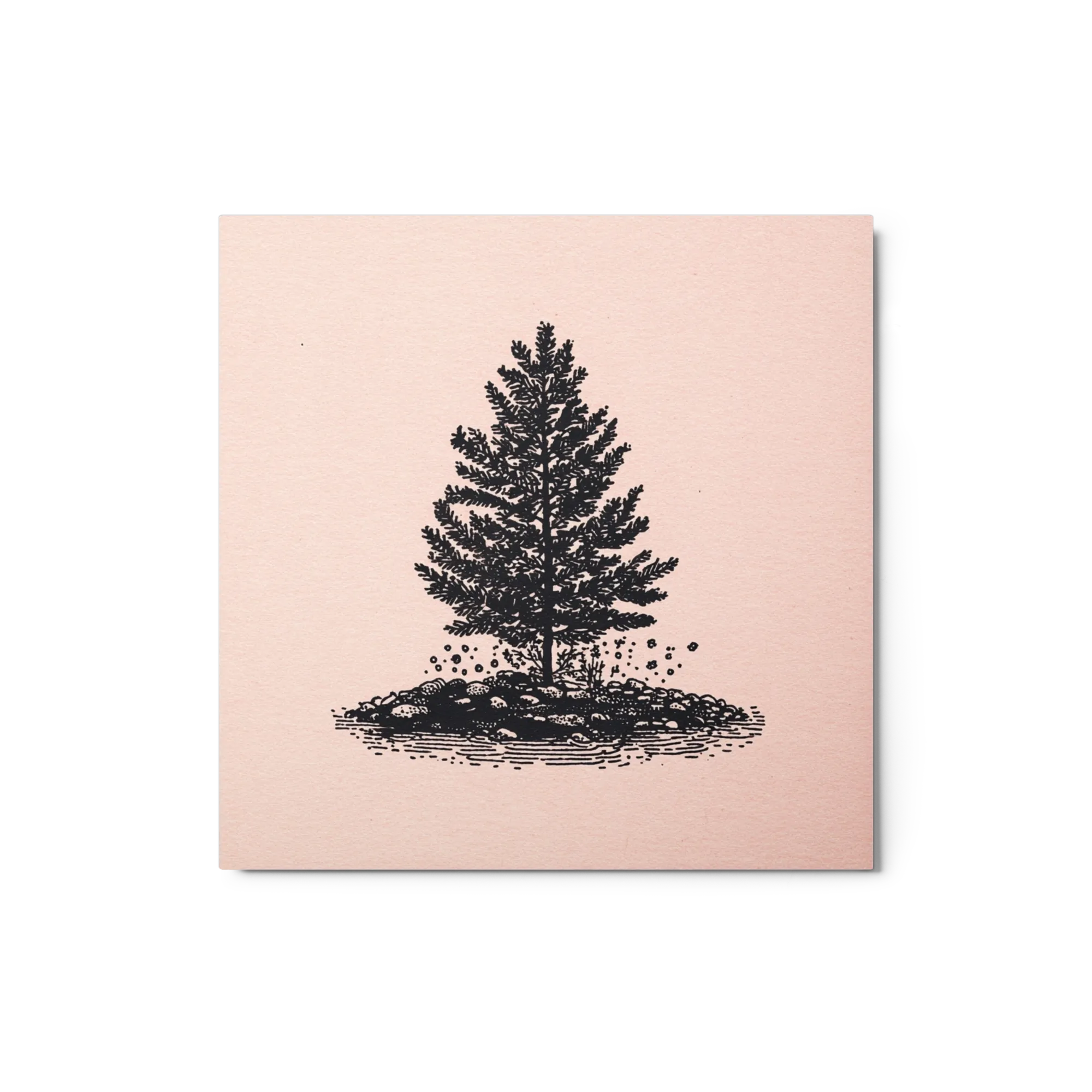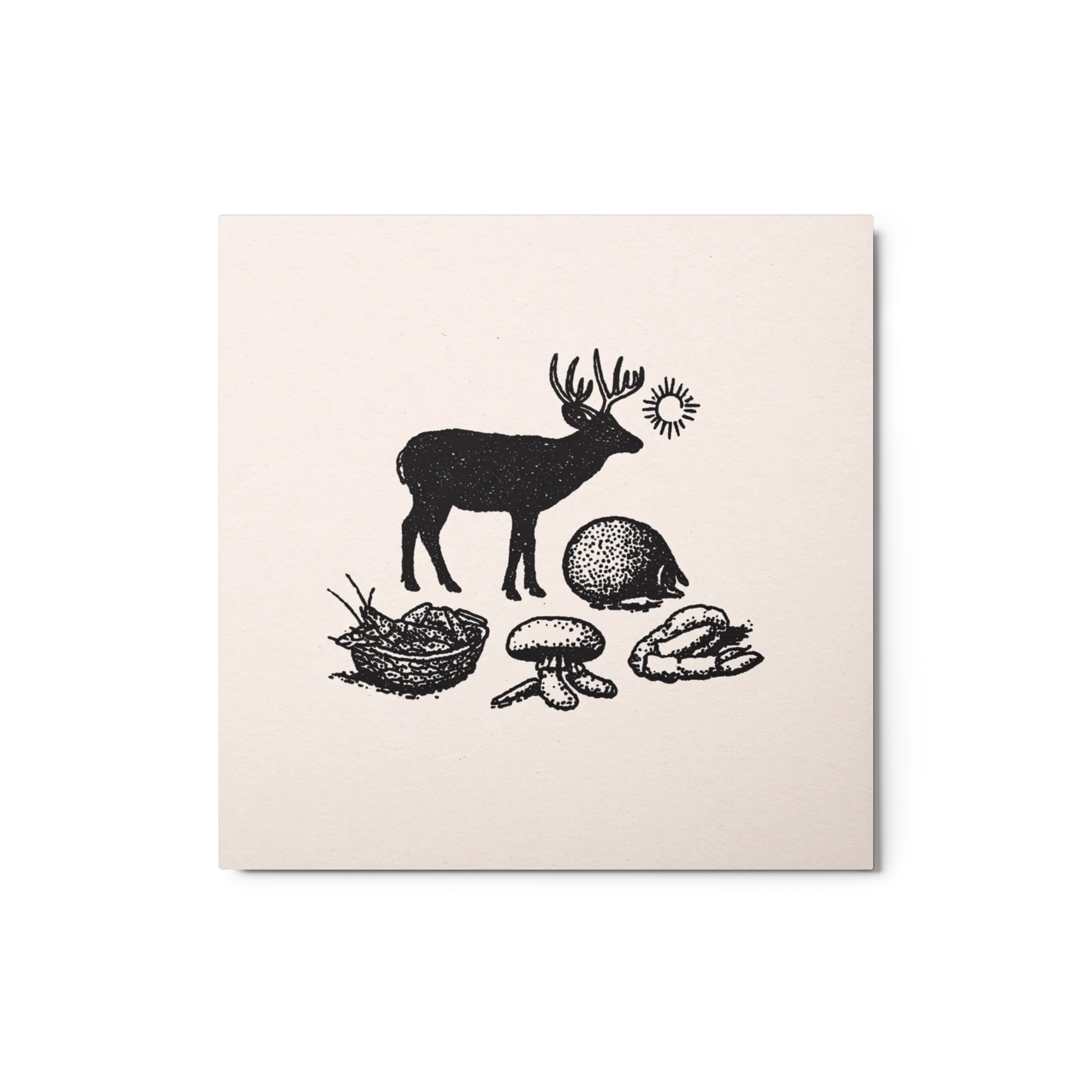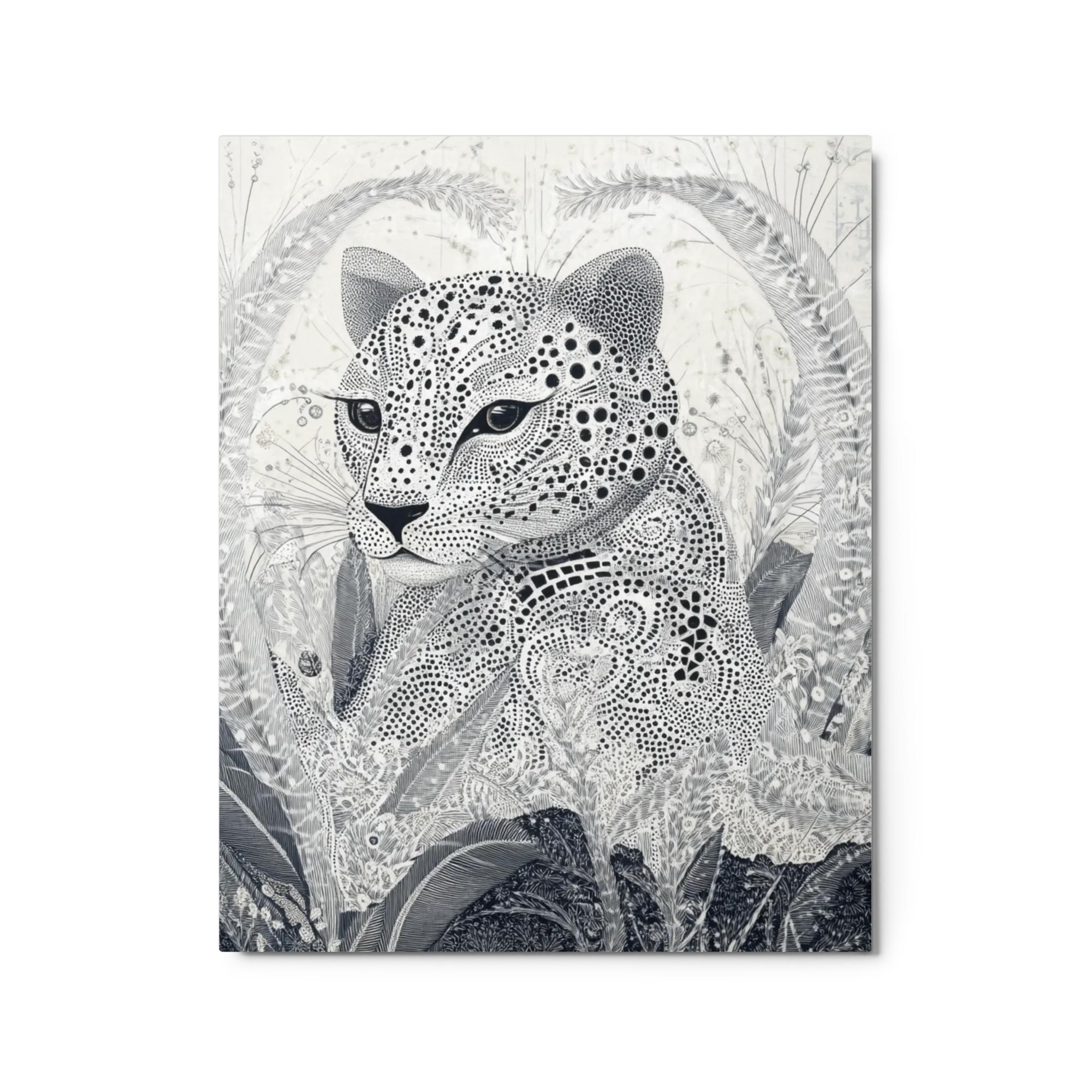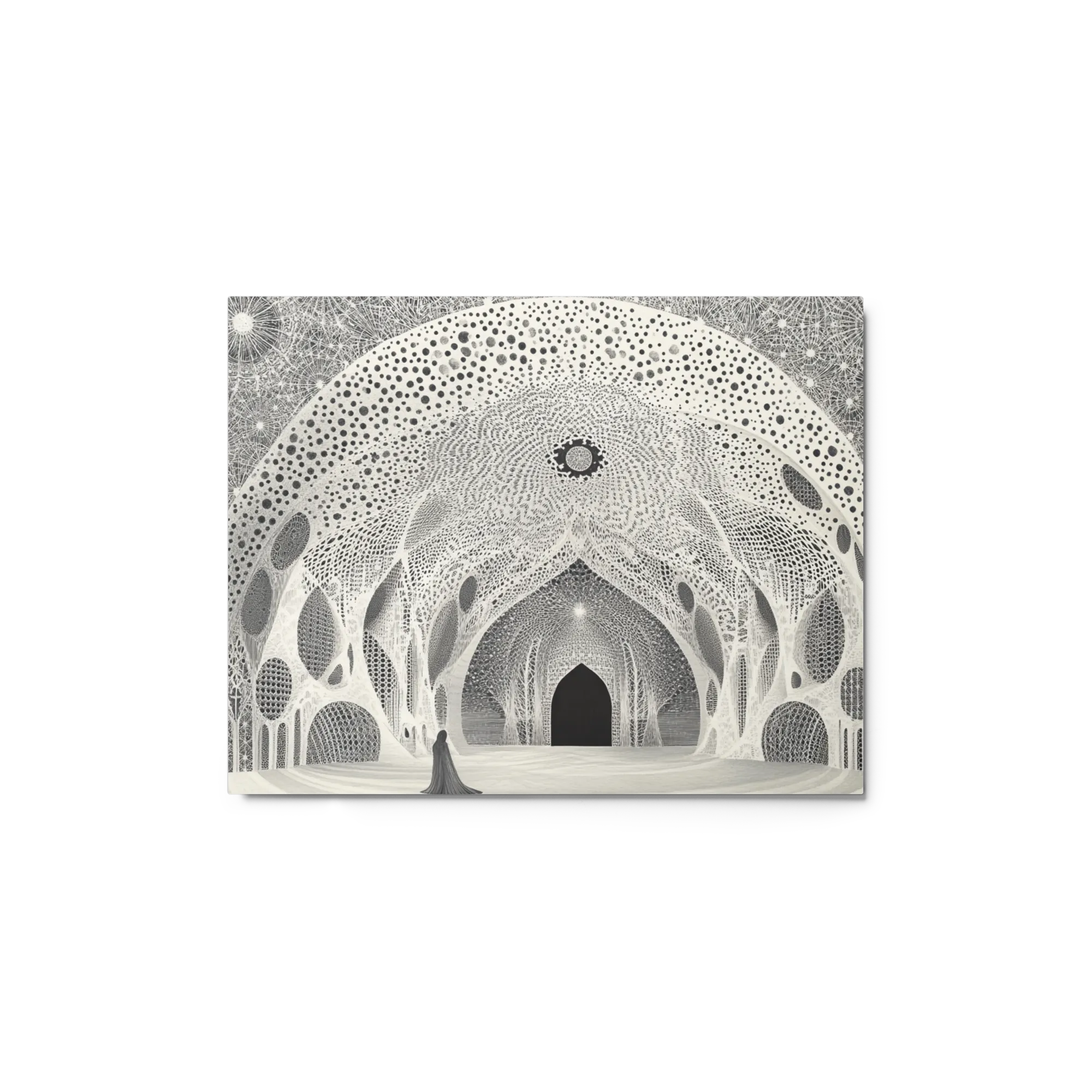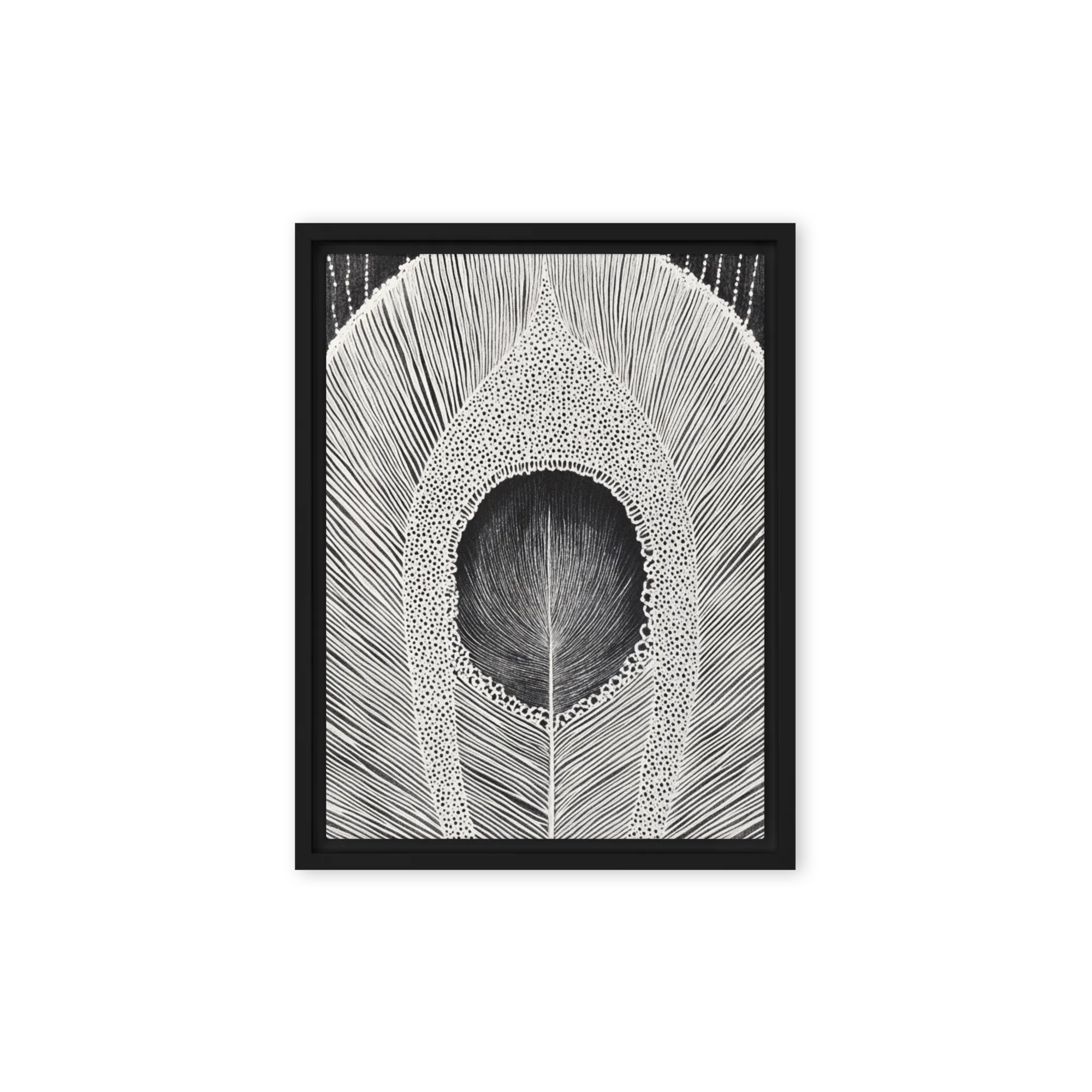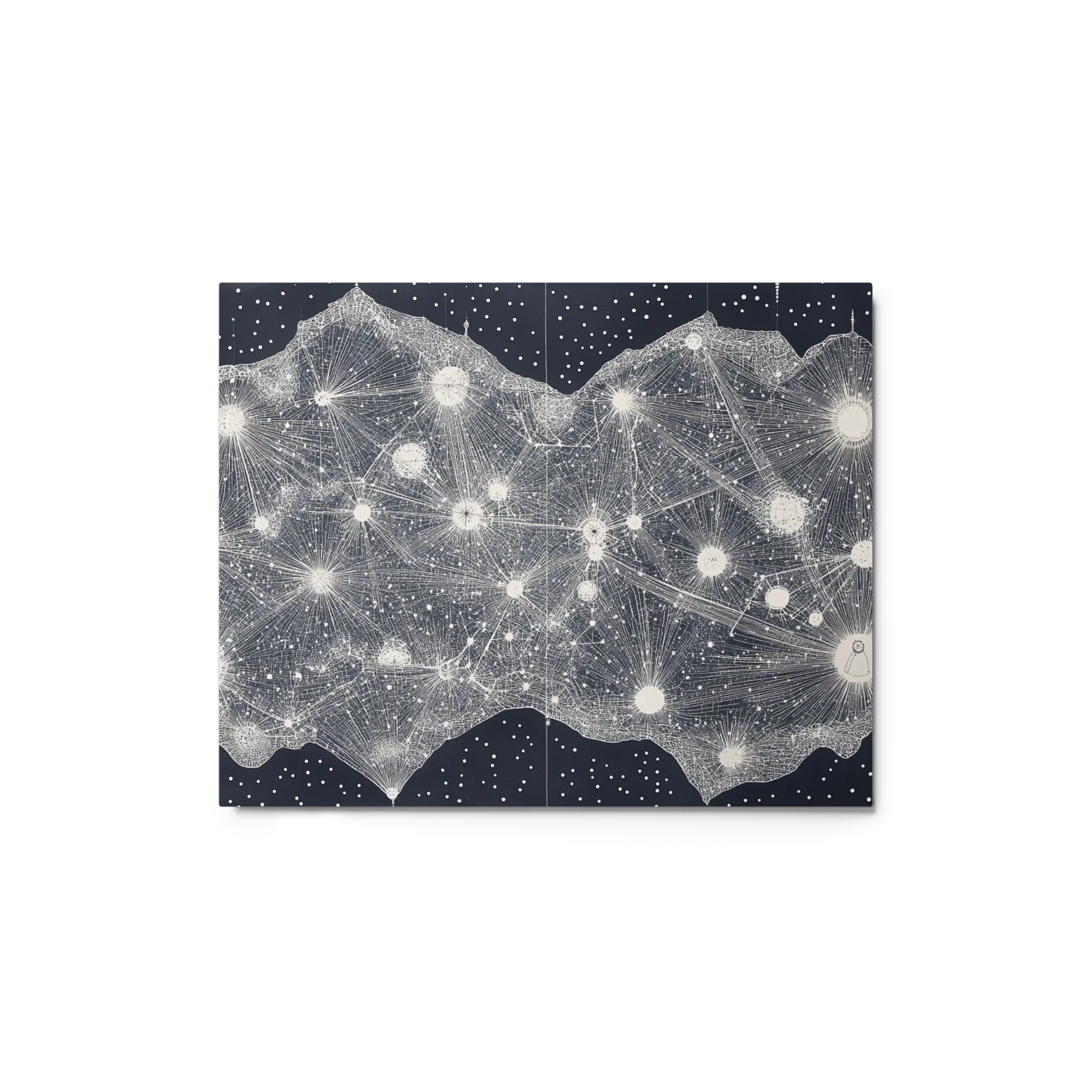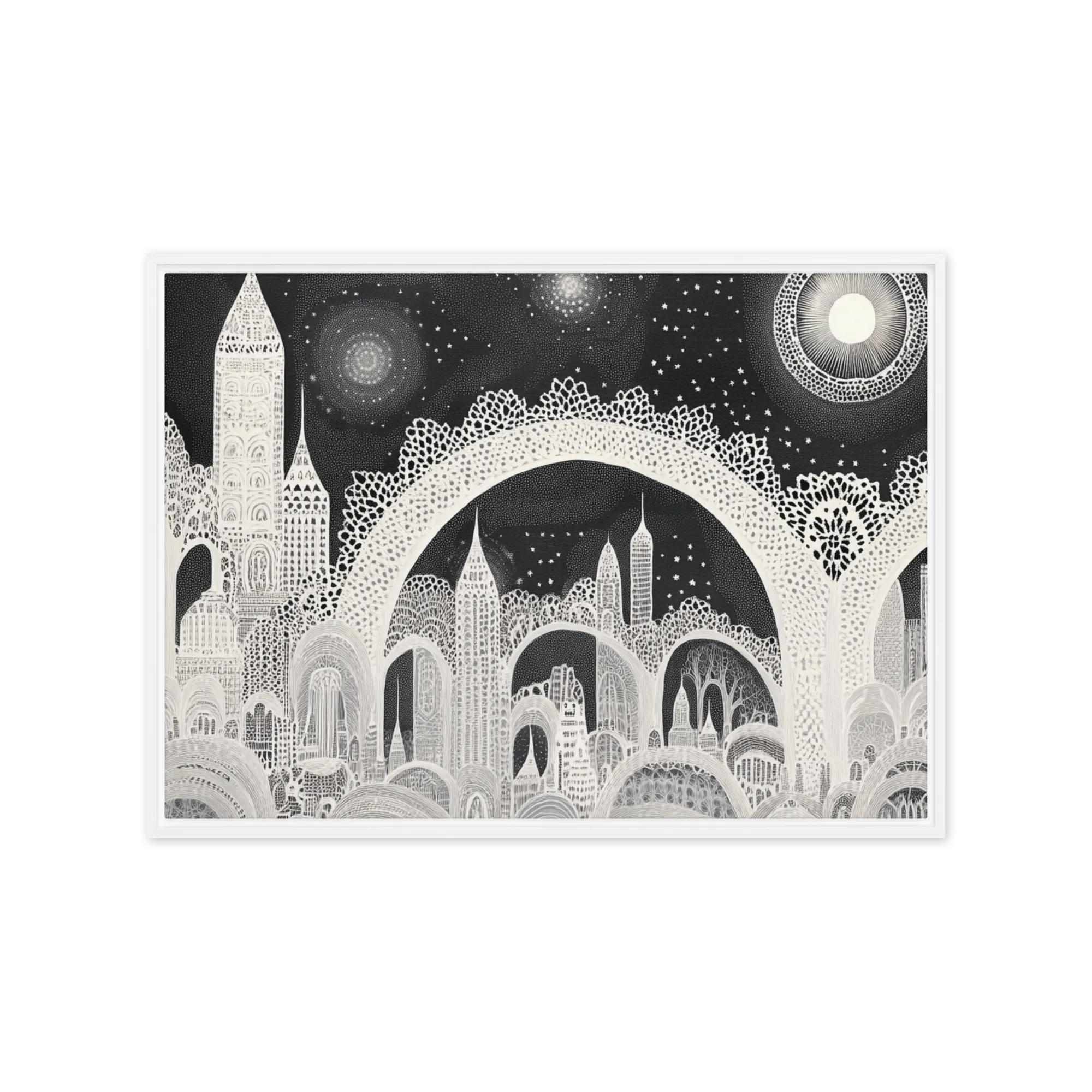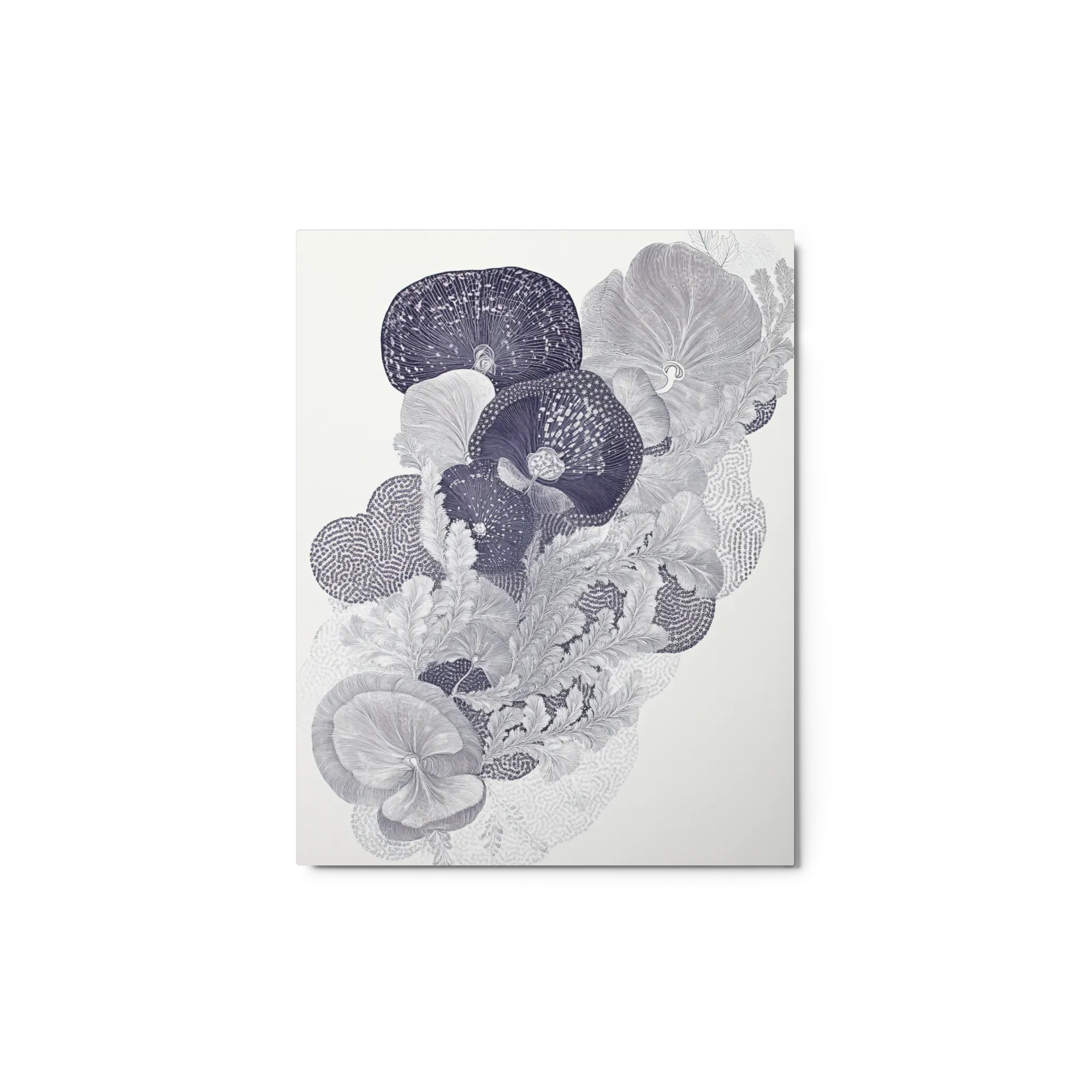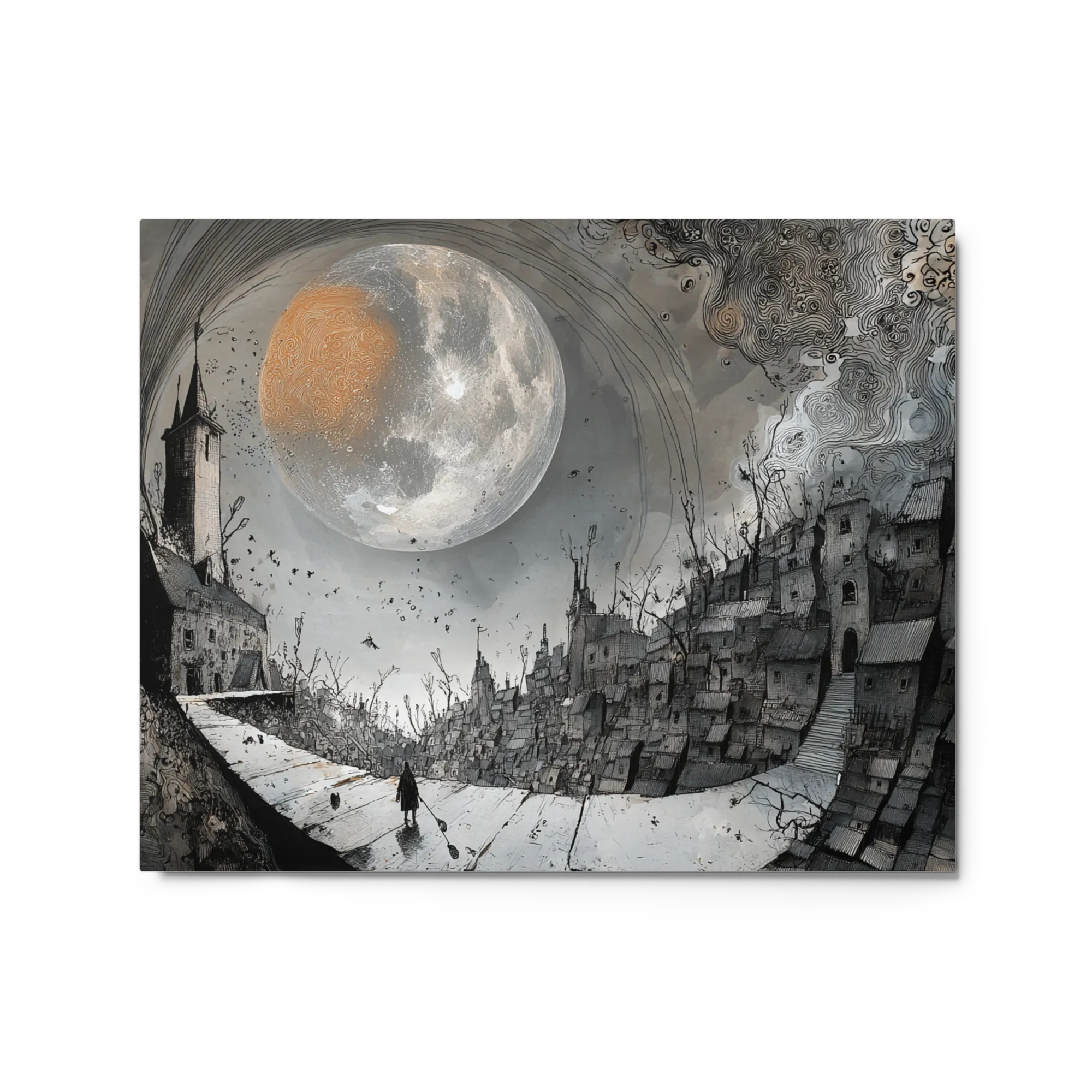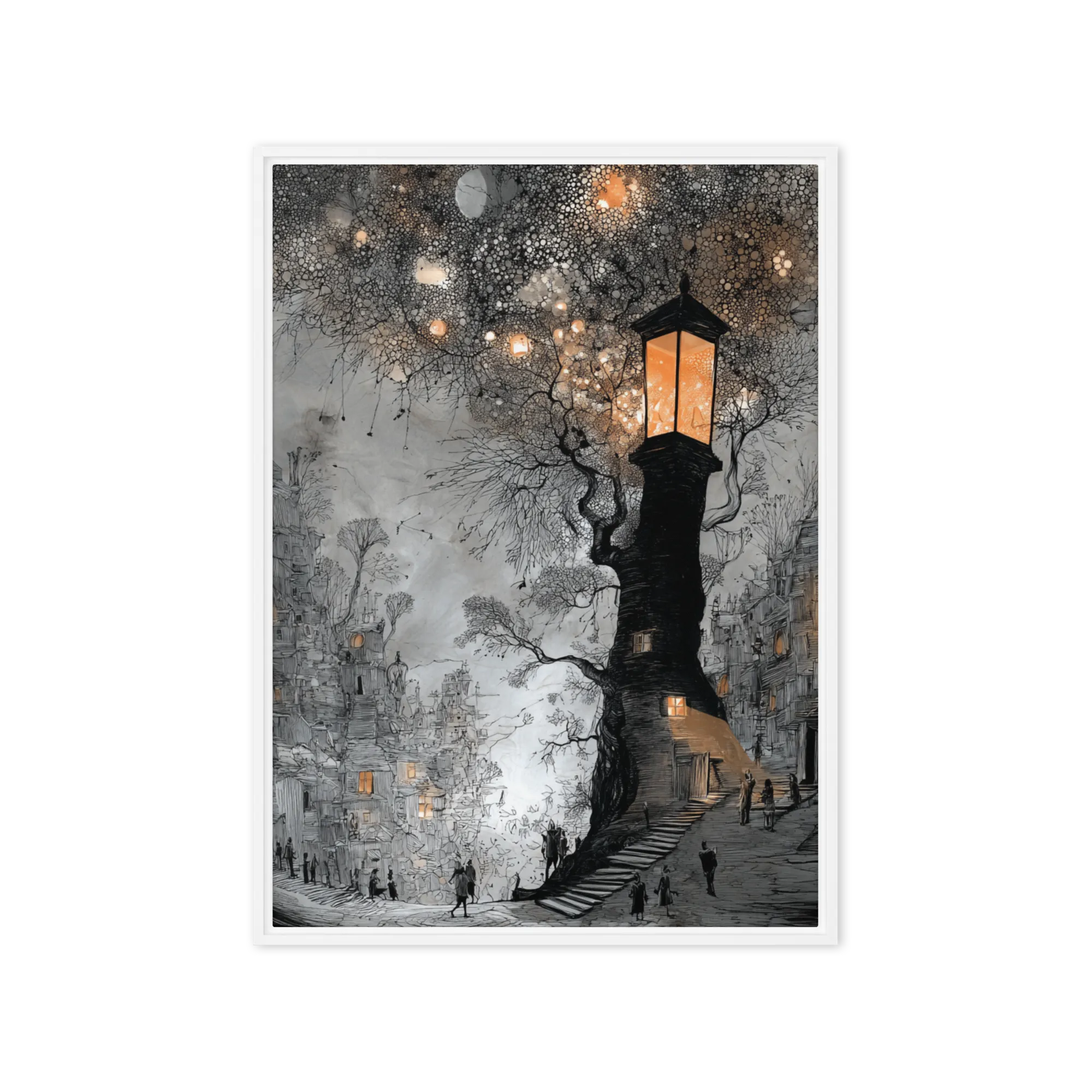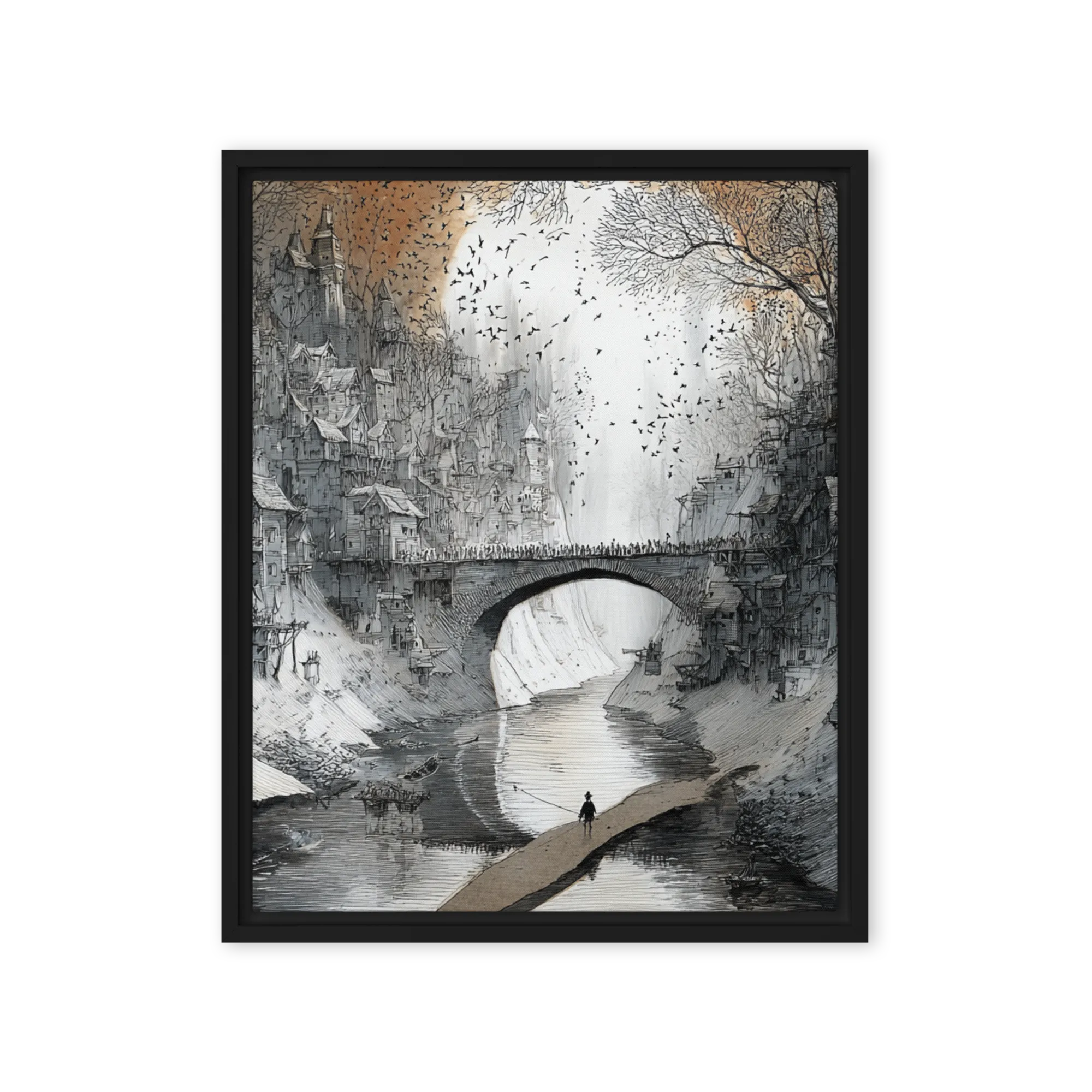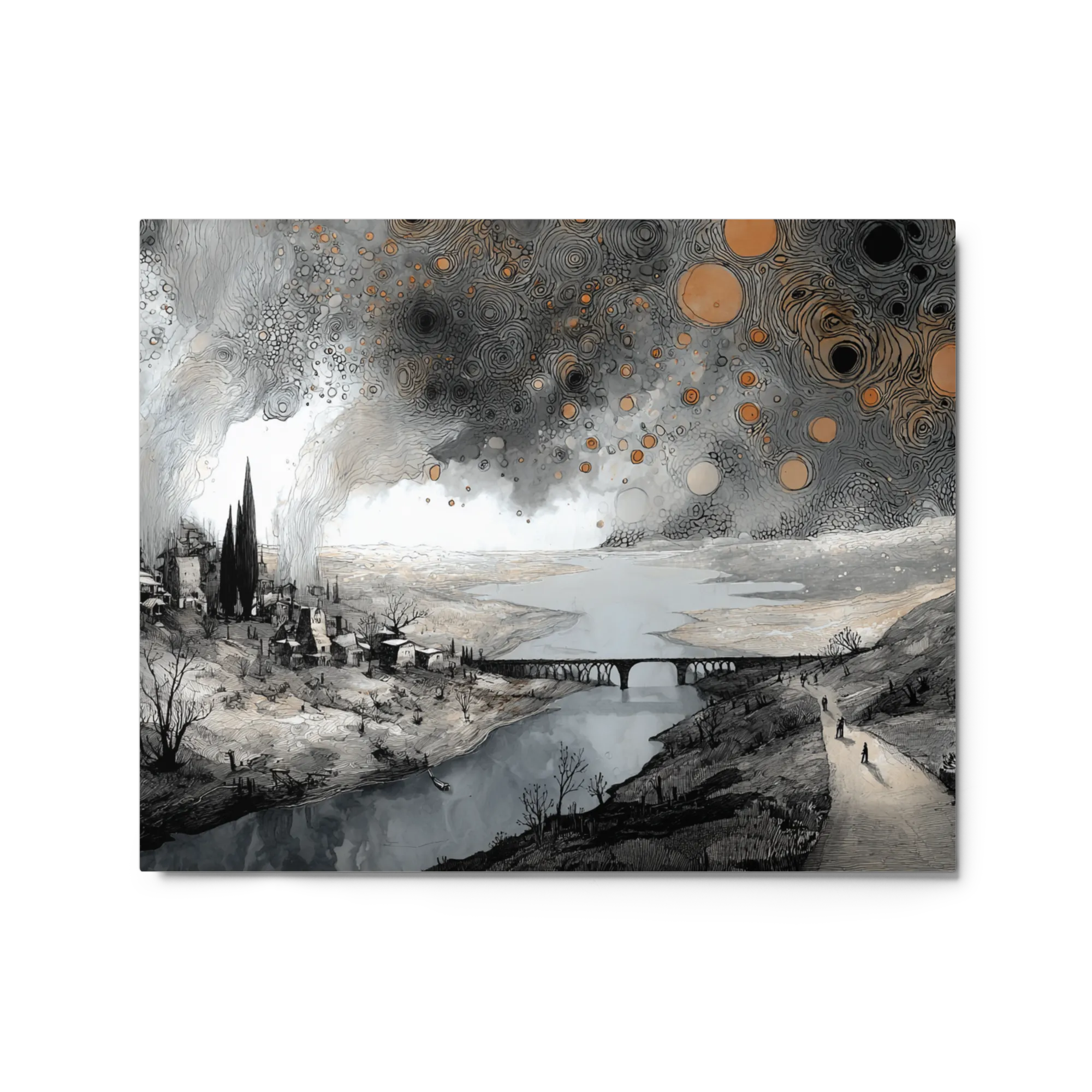
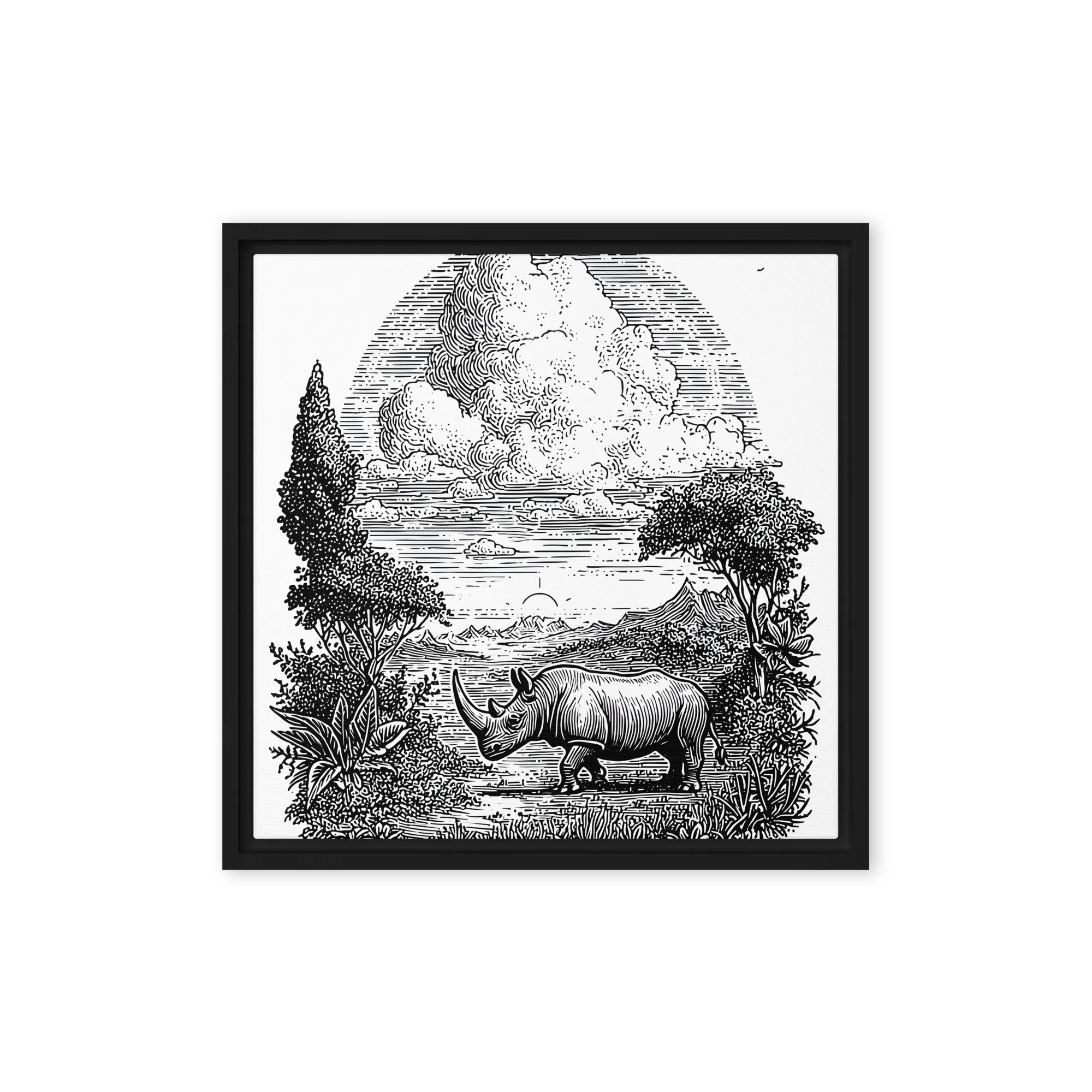

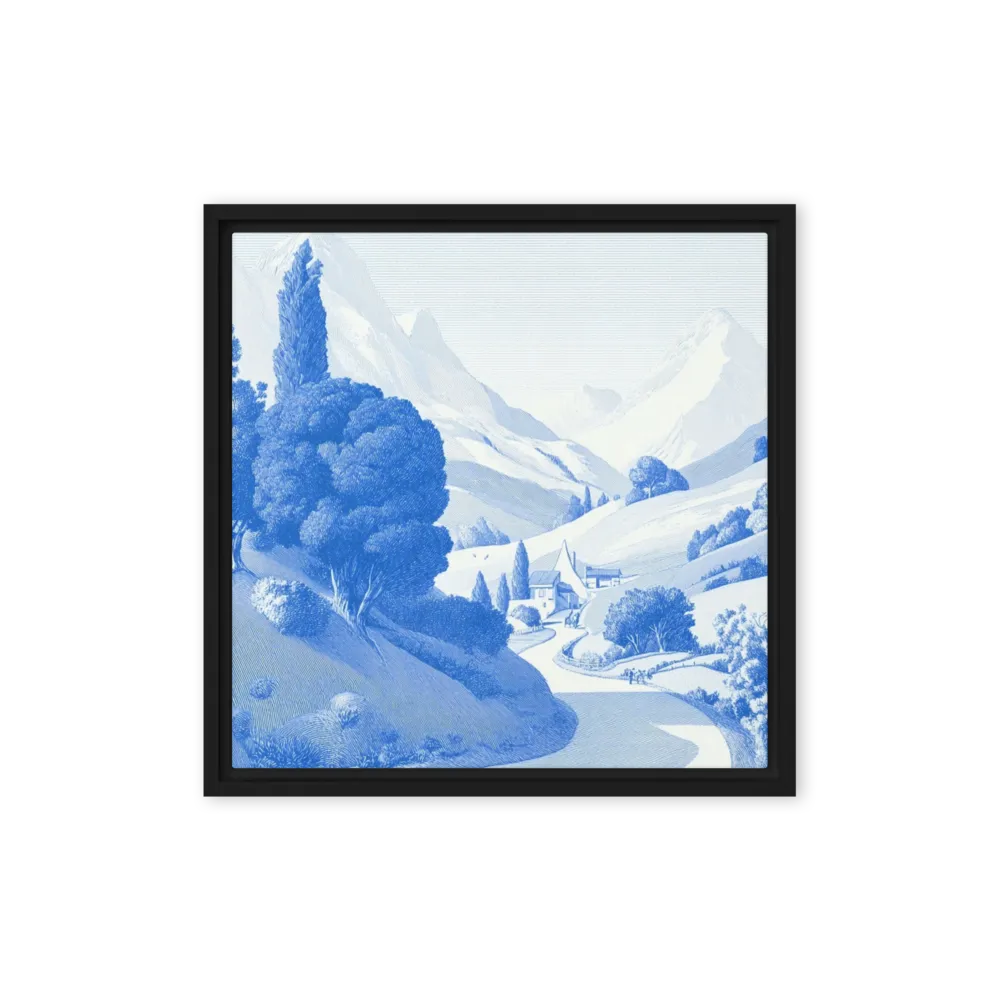
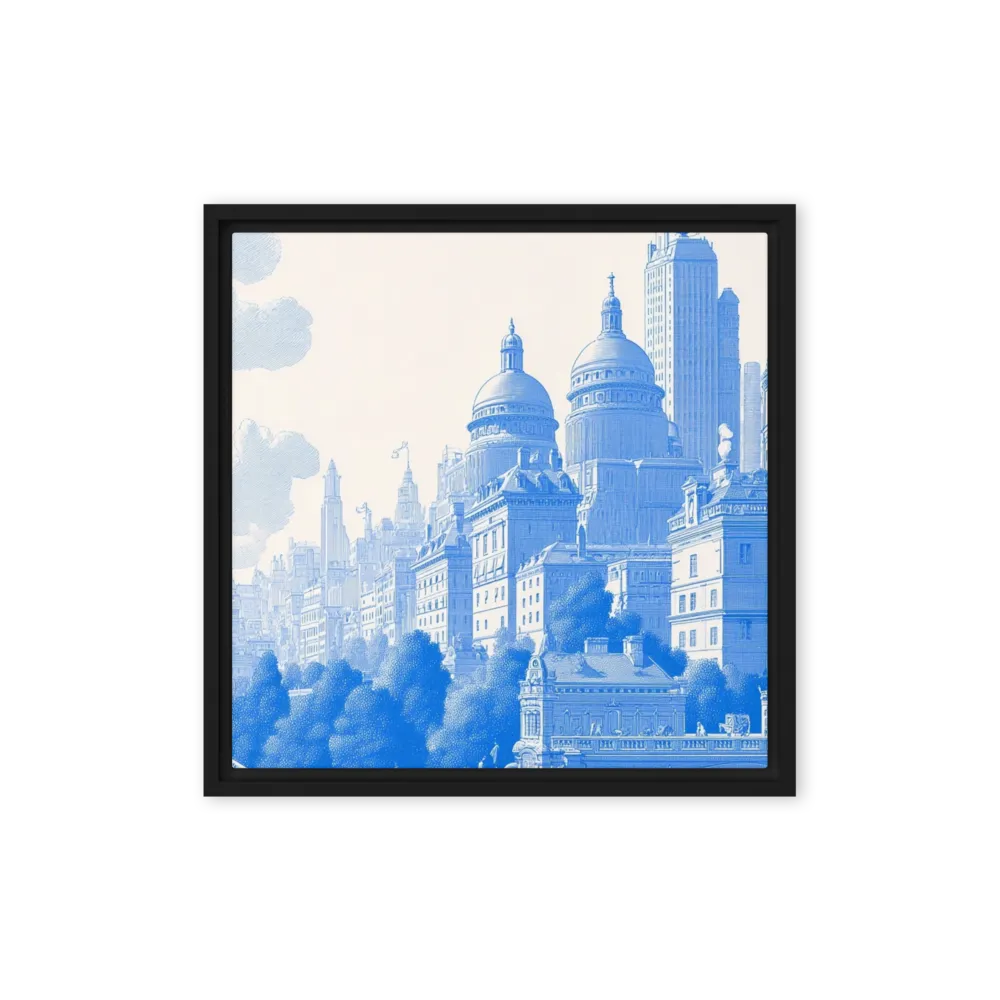
Crosshatch, stipple and inked line in the spirit of the engraver's plate, produced as modern archival giclée prints.
Shop Wall ArtCrosshatch, stipple and inked line in the spirit of the engraver's plate, produced as modern archival giclée prints.
Shop Wall Art


Crosshatch art prints that honor the etcher's craft — each engraved-style design channels the look of an inked plate as a modern archival giclée.
Explore the CollectionCrosshatch art prints that honor the etcher's craft — each engraved-style design channels the look of an inked plate as a modern archival giclée.
Explore the Collection
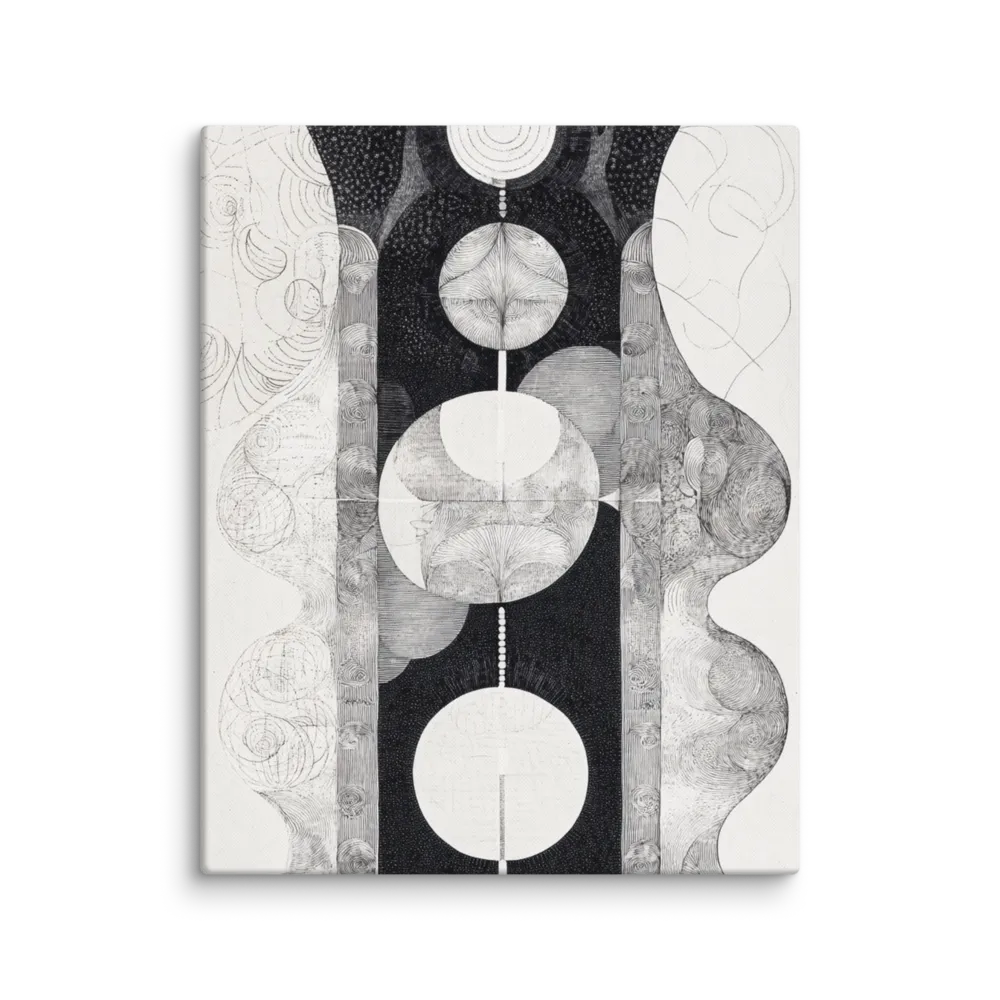
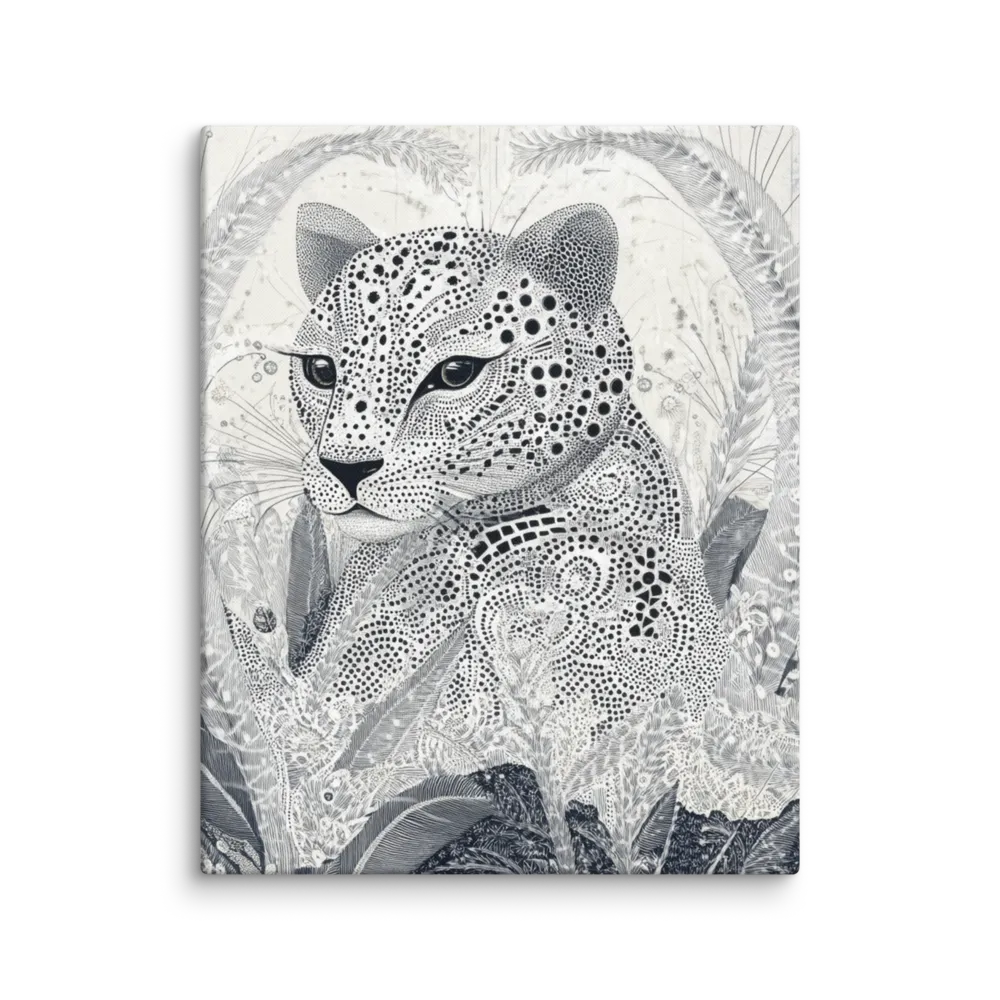
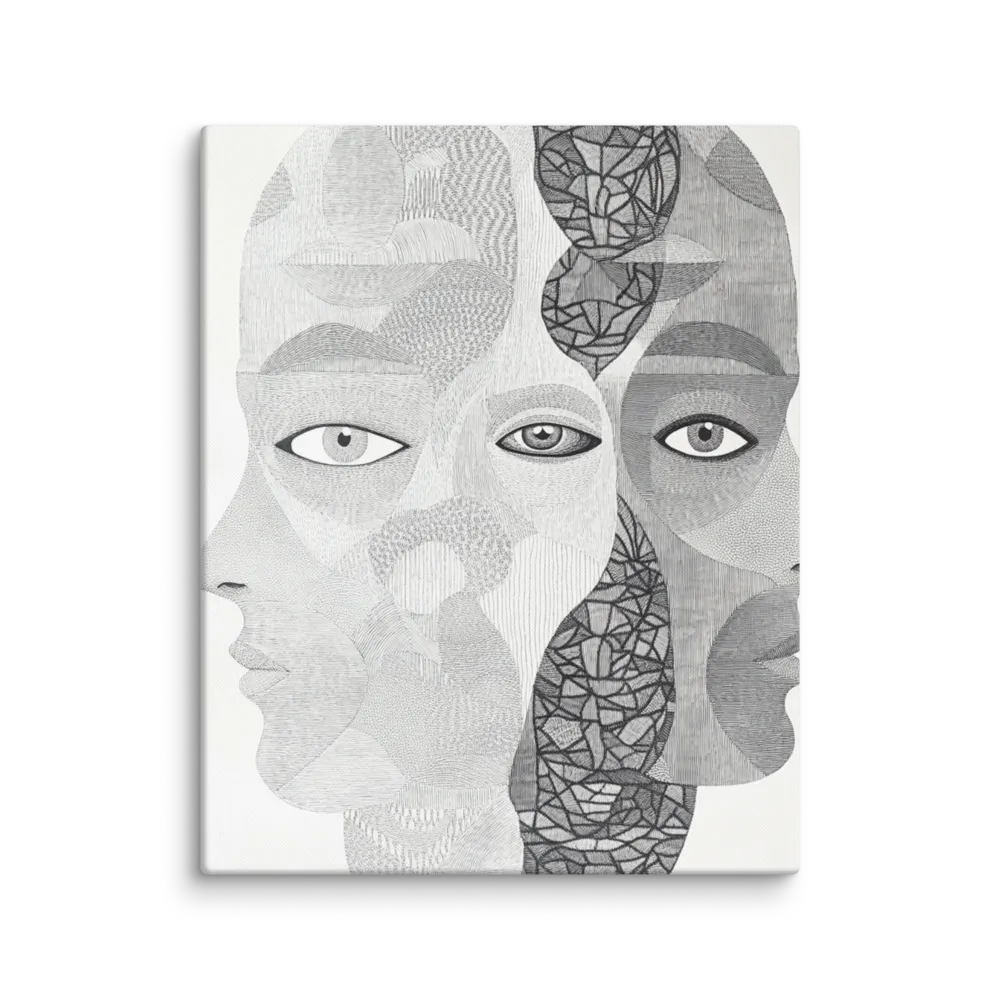
Vintage stipple, intricate ink tapestries and sombre storybook scenes — thousands of hand-placed dots reimagined as modern archival giclée prints.
Shop the StyleVintage stipple, intricate ink tapestries and sombre storybook scenes — thousands of hand-placed dots reimagined as modern archival giclée prints.
Shop the StyleEngraving and etching build an image out of accumulated line. An engraver cuts directly into a metal plate with a burin; an etcher lets acid bite the lines instead. Both produce the same distinctive result — crosshatched shading that reads as tone from a distance and resolves into individual strokes up close, with a fineness that no brush achieves.
These designs are drawn in the spirit of that craft and printed as modern archival giclées, so you get old-plate depth with contemporary clarity and no edition limit. The register suits studies, libraries, dining rooms and anywhere that benefits from something quieter and more considered than a colour statement — engraved work rewards being looked at closely.
Engraving cuts the line directly into the plate with a hand-pushed burin, giving crisp, tapering strokes. Etching protects the plate with a waxy ground, draws through it, and lets acid bite the exposed lines — which allows a looser, more drawing-like mark.
No. Each design is crafted digitally in the spirit of the engraver's plate and produced as an archival giclée print. That keeps the crosshatch detail razor-sharp at any size, which a genuinely aged plate impression could not offer.
Yes — the monochrome discipline reads as contemporary rather than antique, especially in a plain frame. The fine linework contrasts well with flat modern surfaces and stops a minimal room feeling empty.

 By Palette
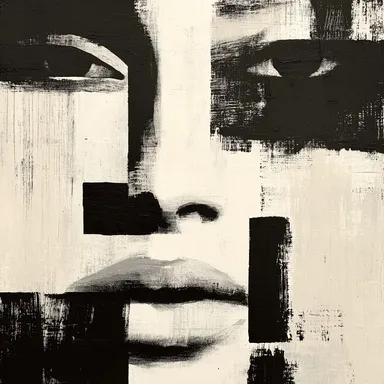 Black & White
 Colorful
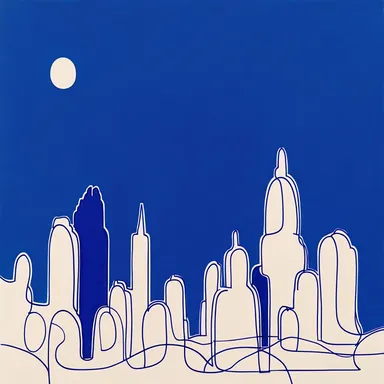 Feeling Blue
 Golden Touch
 Purple Reign
 Burnt Orange
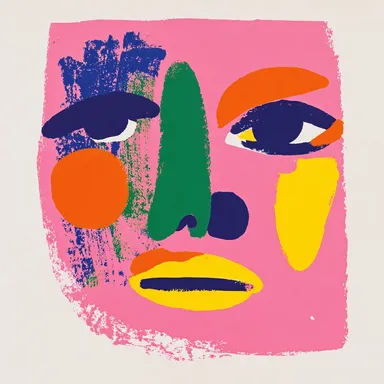 In the Pink
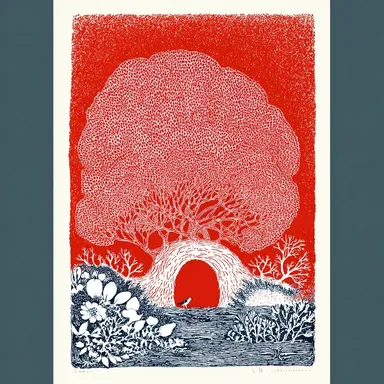 Seeing Red
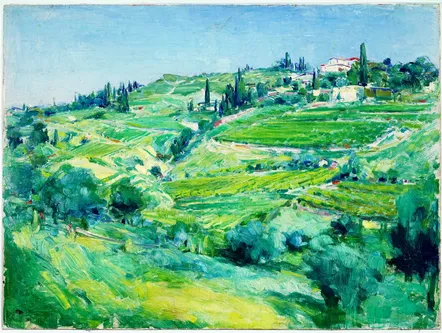 Evergreen
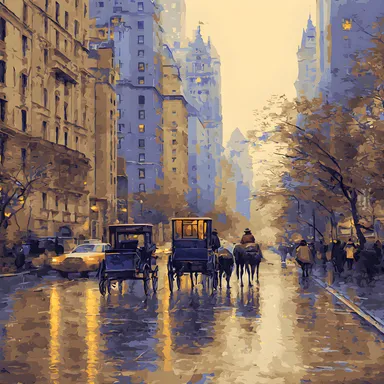 Maps & City Lovers
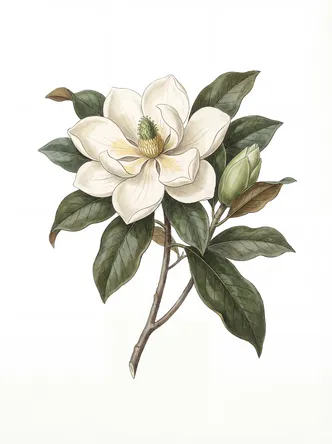 Landscape & Nature
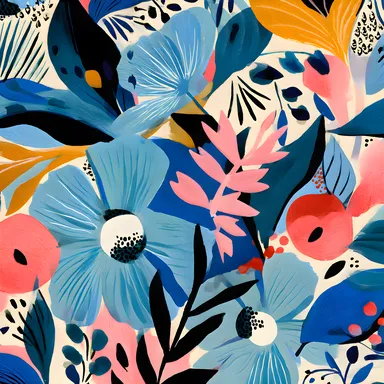 Botanical & Floral
 Figurative & Portraits
 Travel
 Vintage & Famous Art
 Photography
 Abstract
 Watercolors
 Line Art
 Pastels
 Vintage & Retro
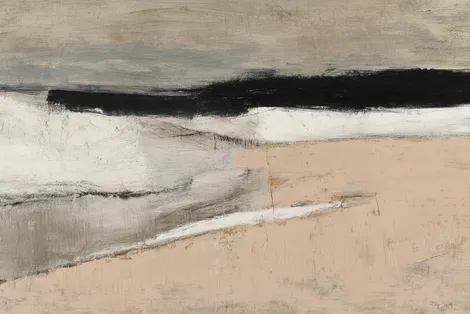 Minimalist
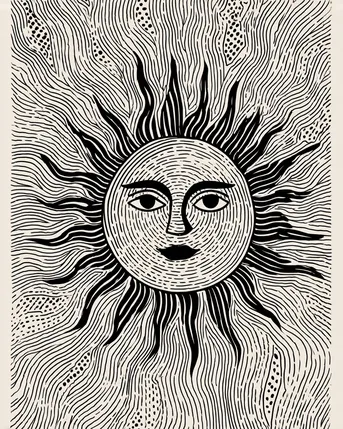 Block Prints & Linocuts
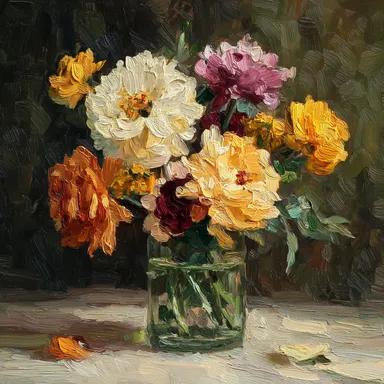 Impasto & Texture
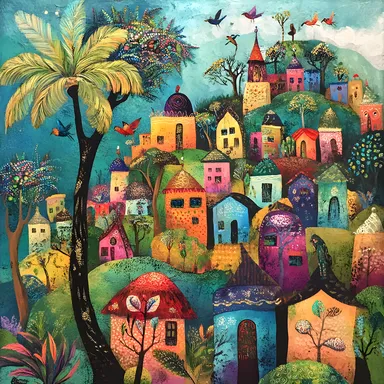 Folk & Naive
 By Room
 Living Room
 Bedroom
 In the Office
 Kitchen
 Nursery Room
 Children's Room
 In the Bathroom
 For Your Business
 By Colour
 Botanical & Floral
 Maps & Cities
 Line Art & Figures
 Minimalist & Modern
 Vintage & Retro
 Floral & Botanical
 Cats & Animals
 Abstract & Geometric
 Botanical
 Four-Legged Friends
 Landscapes
 Photography
 Pop Art & Bold Graphics
 Art Nouveau
 The Impressionists
 Monochromes
 Dinosaurs