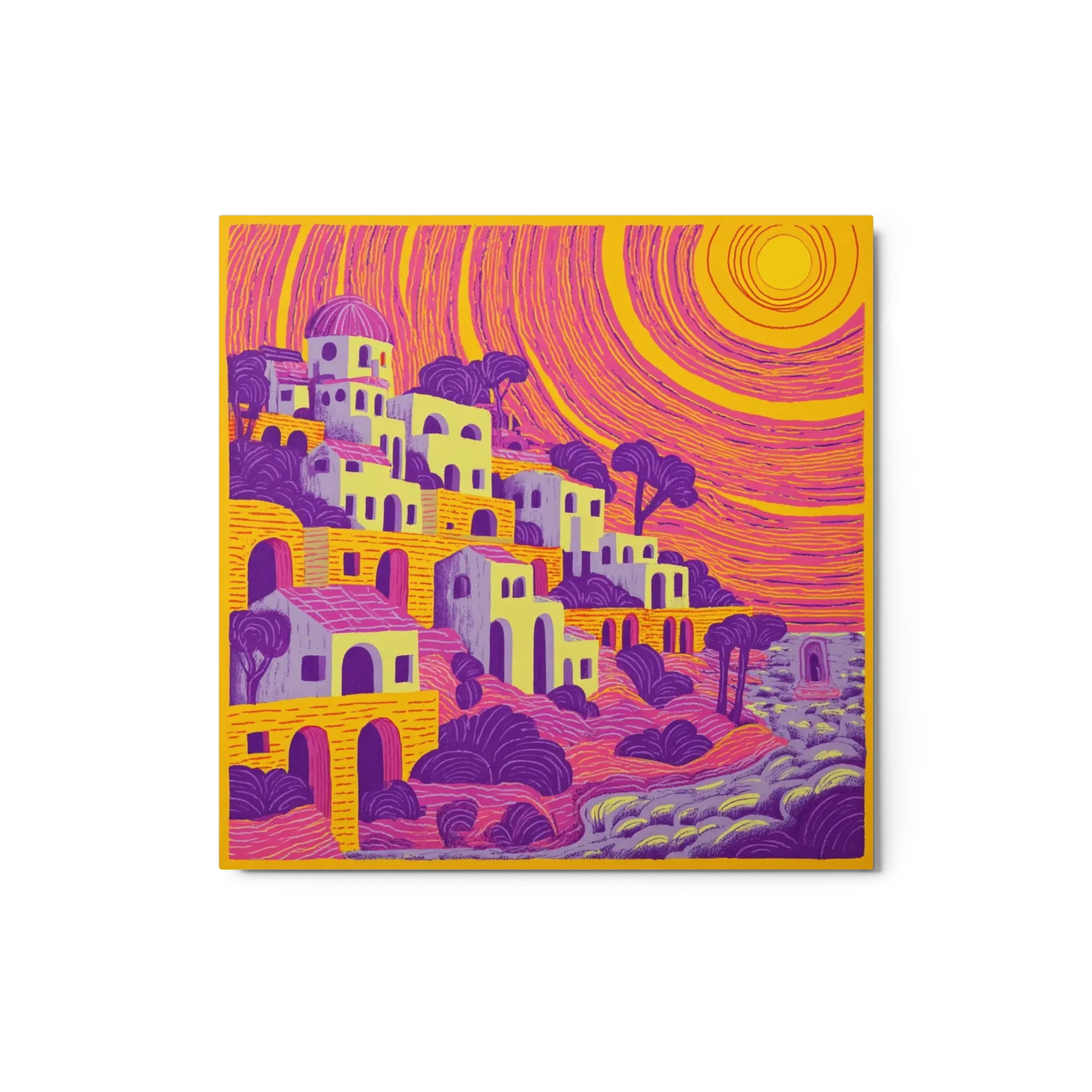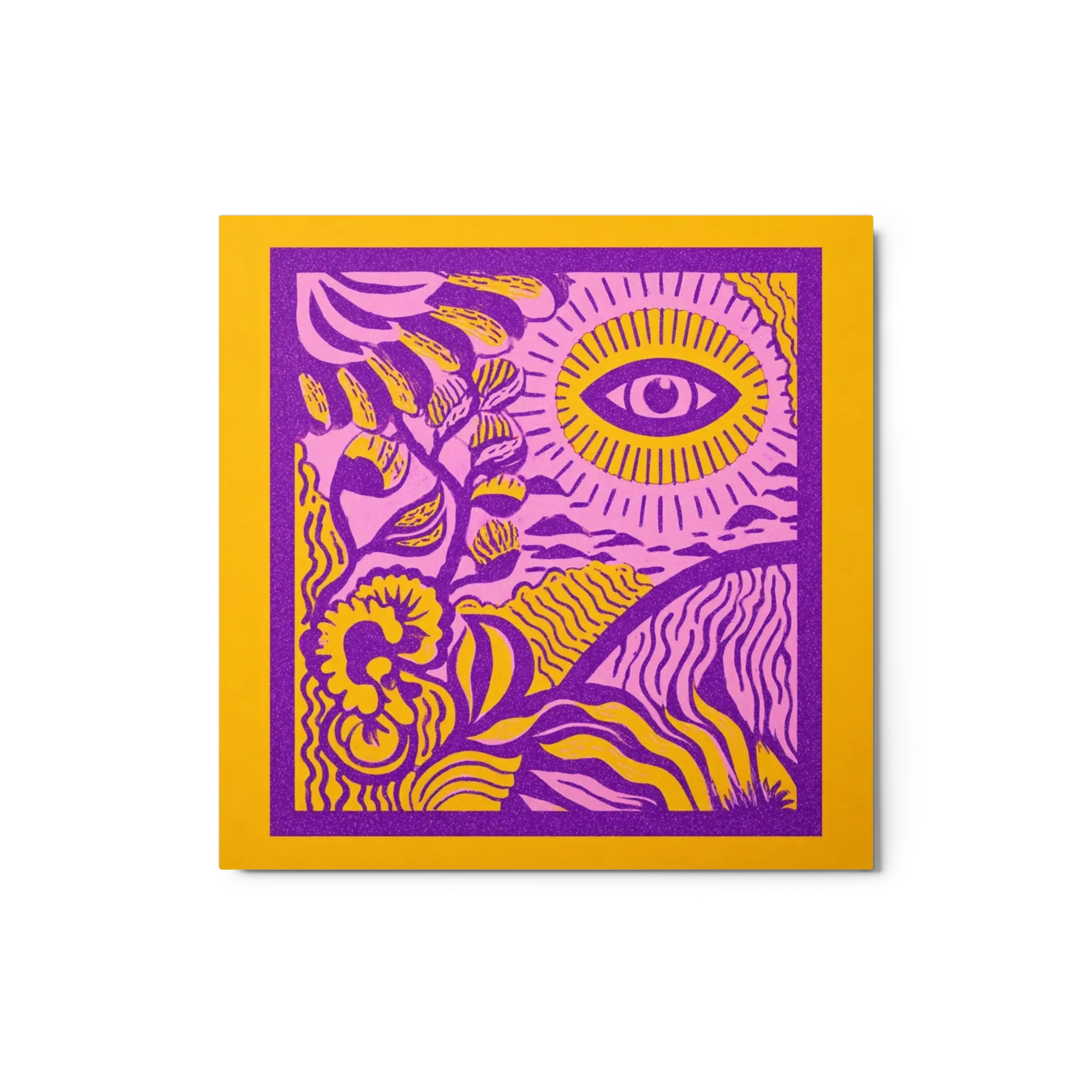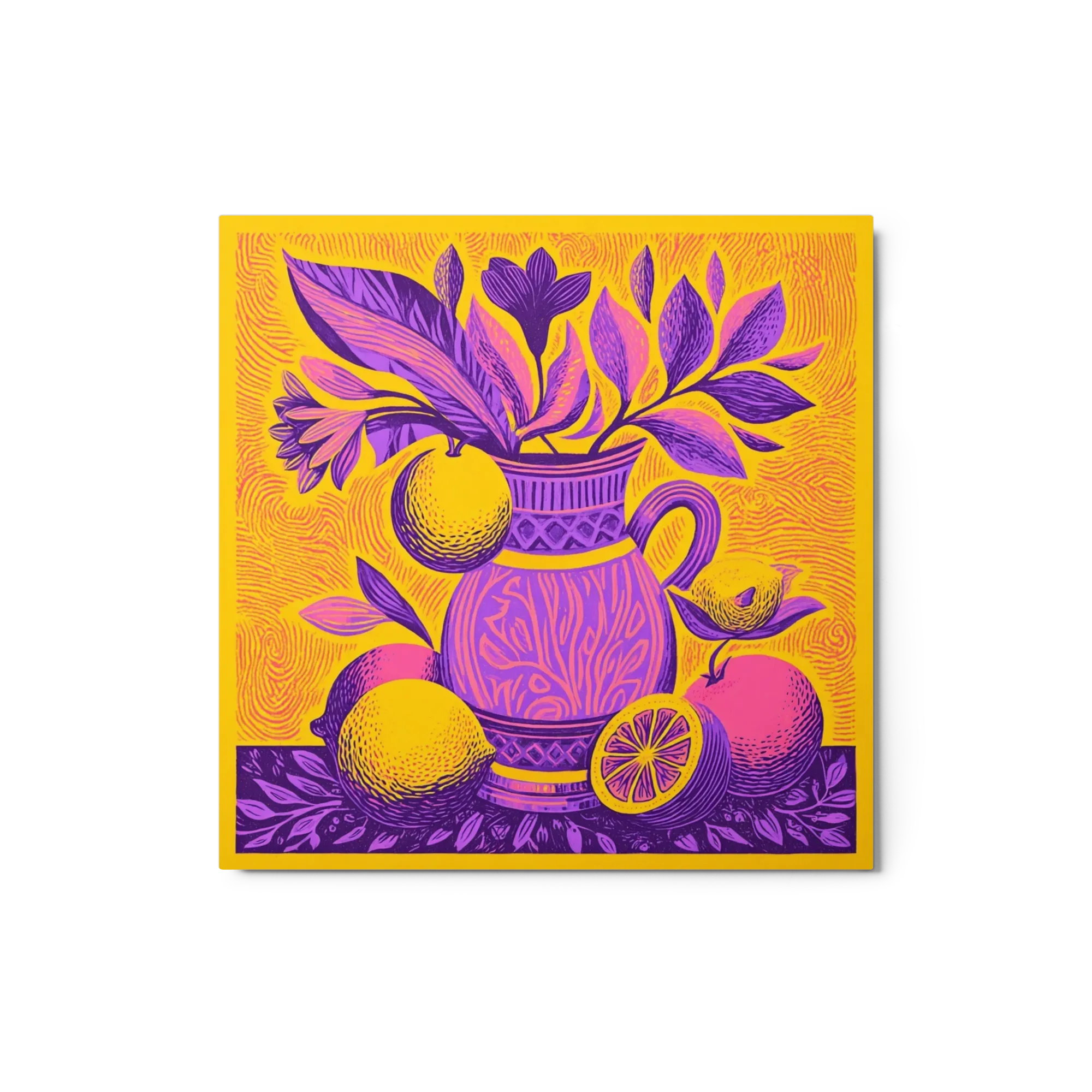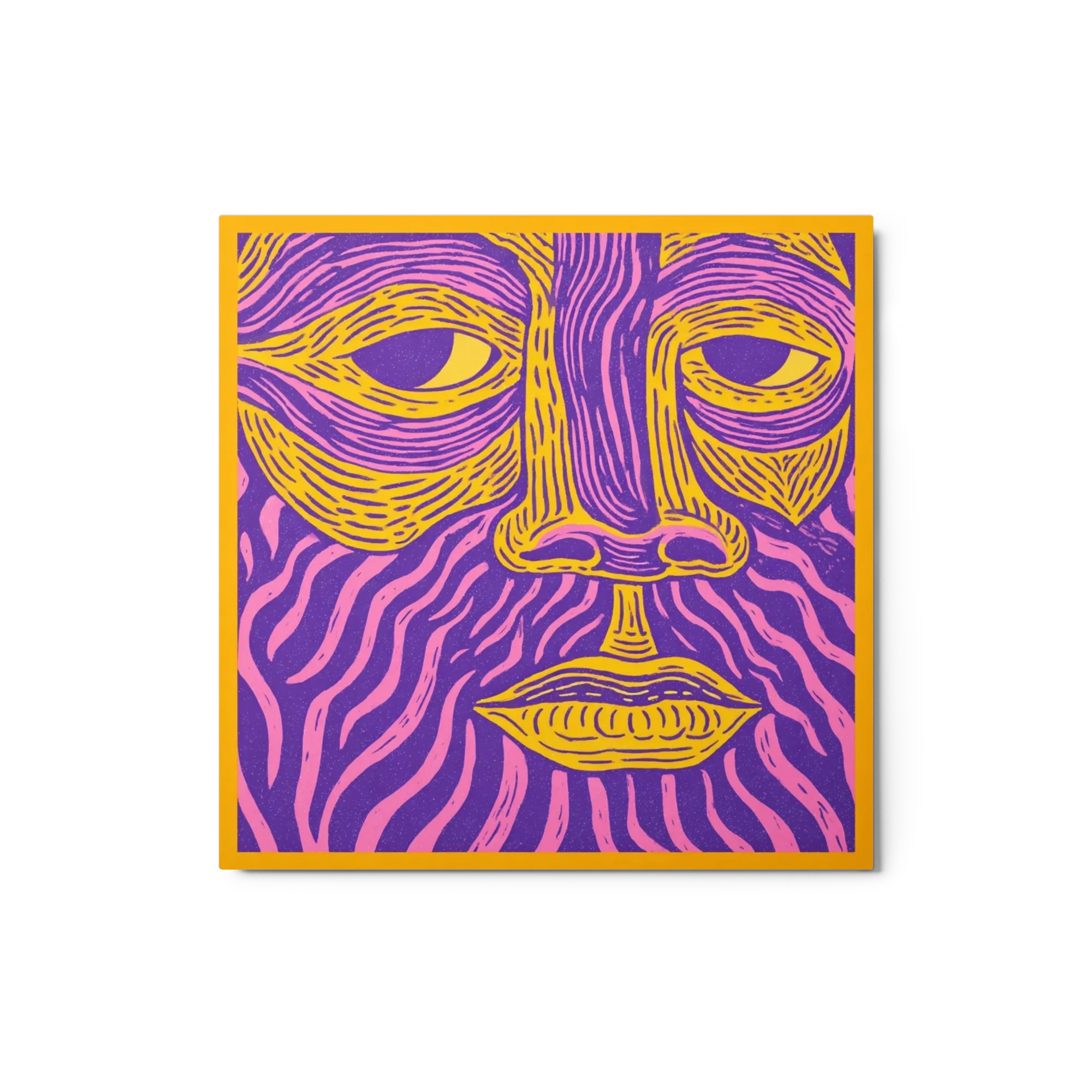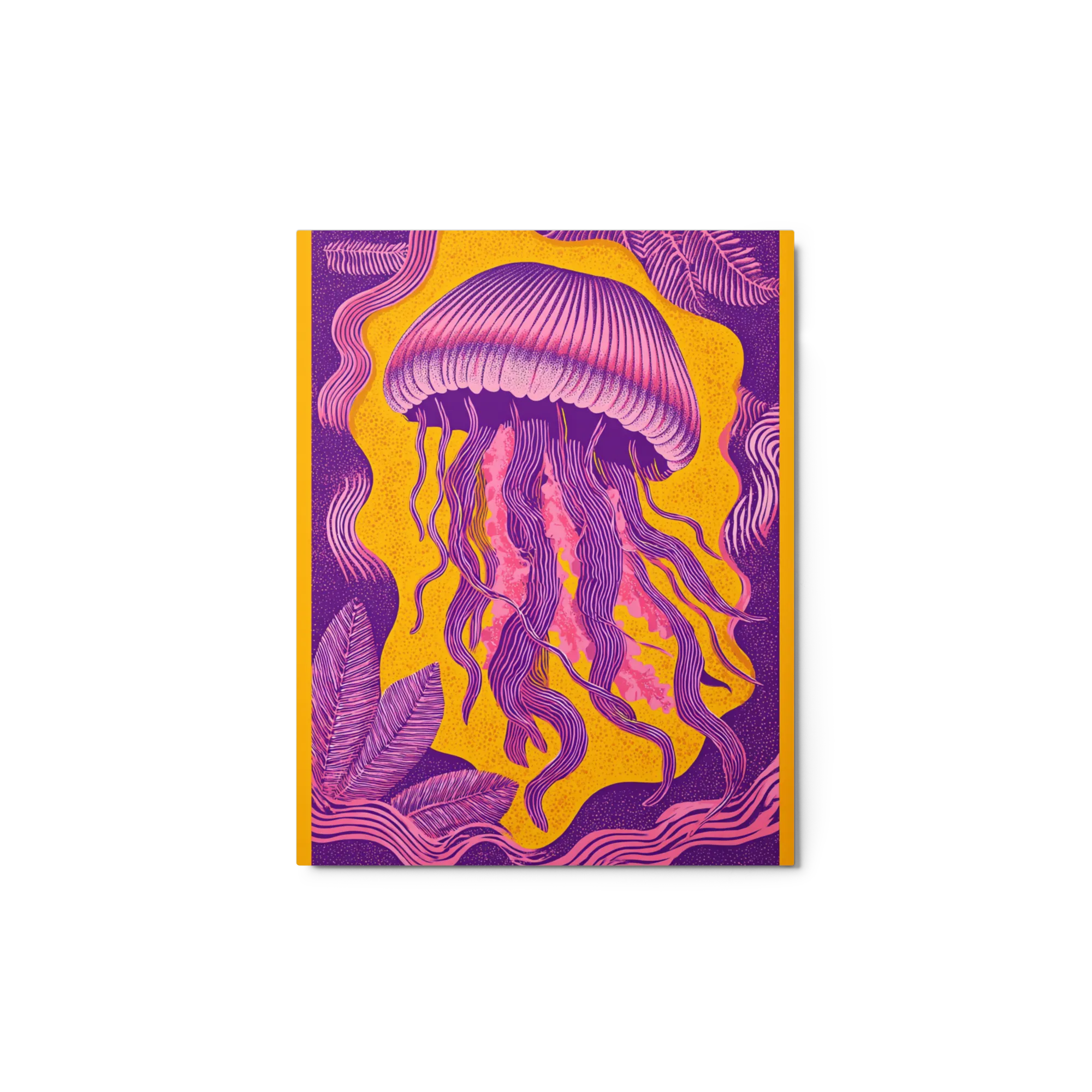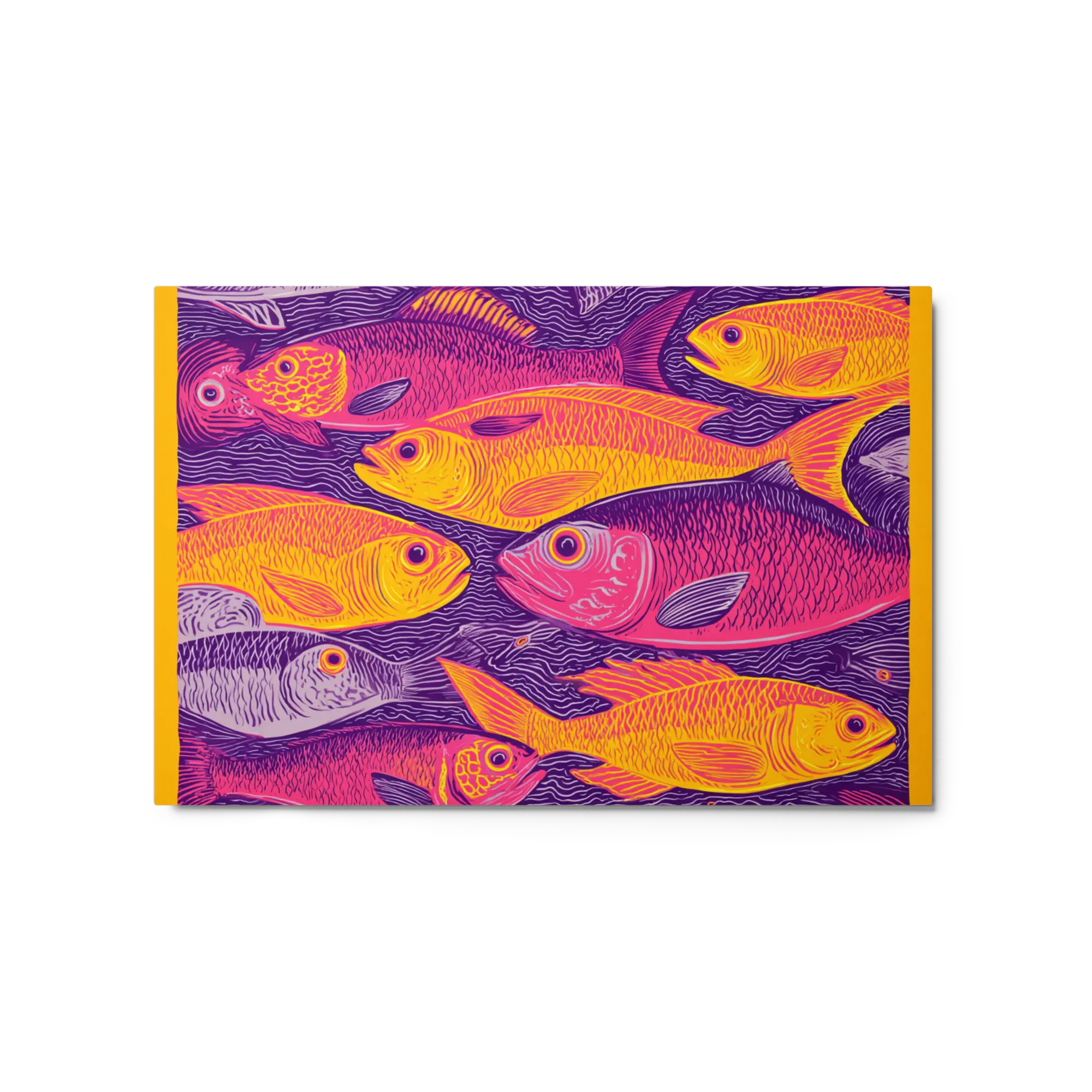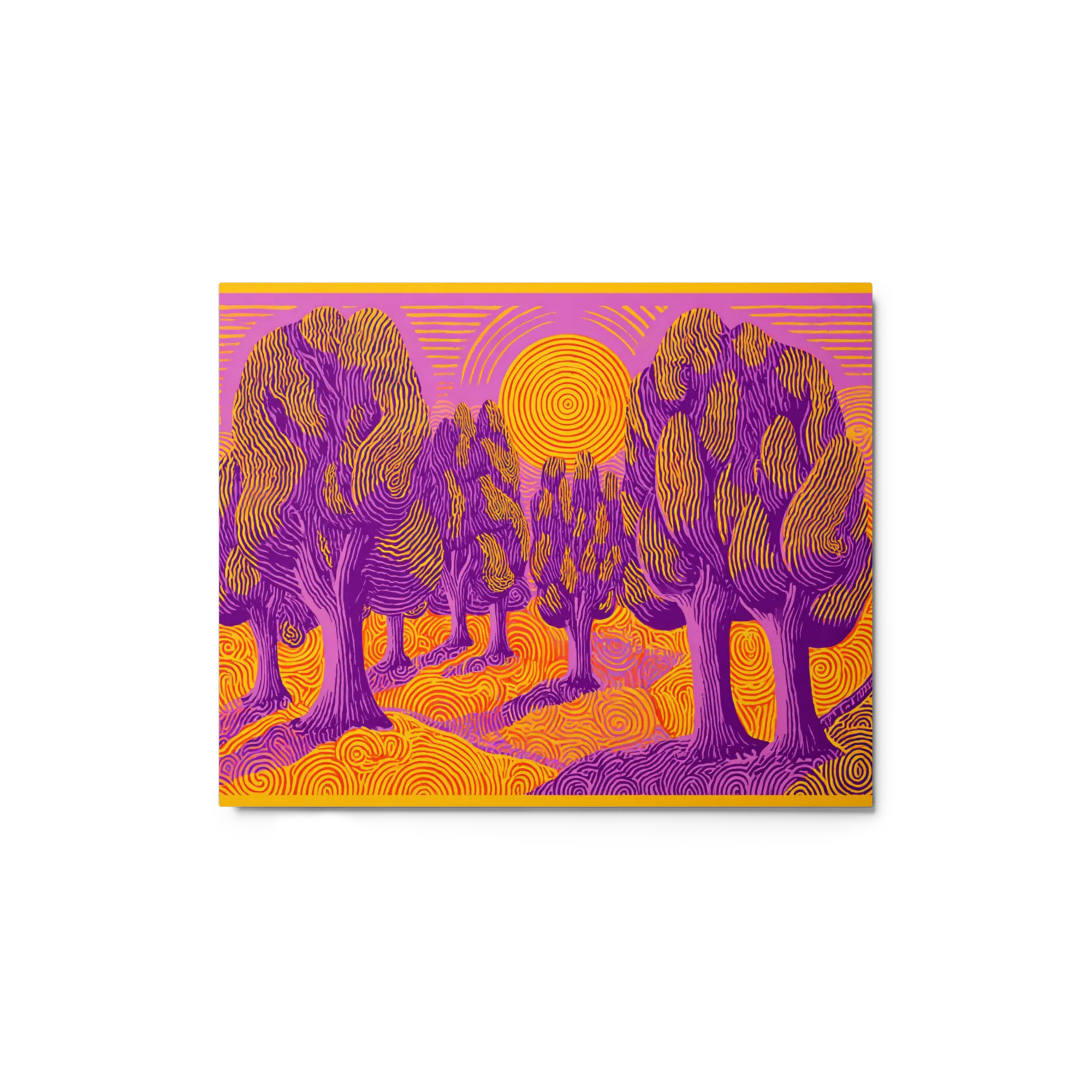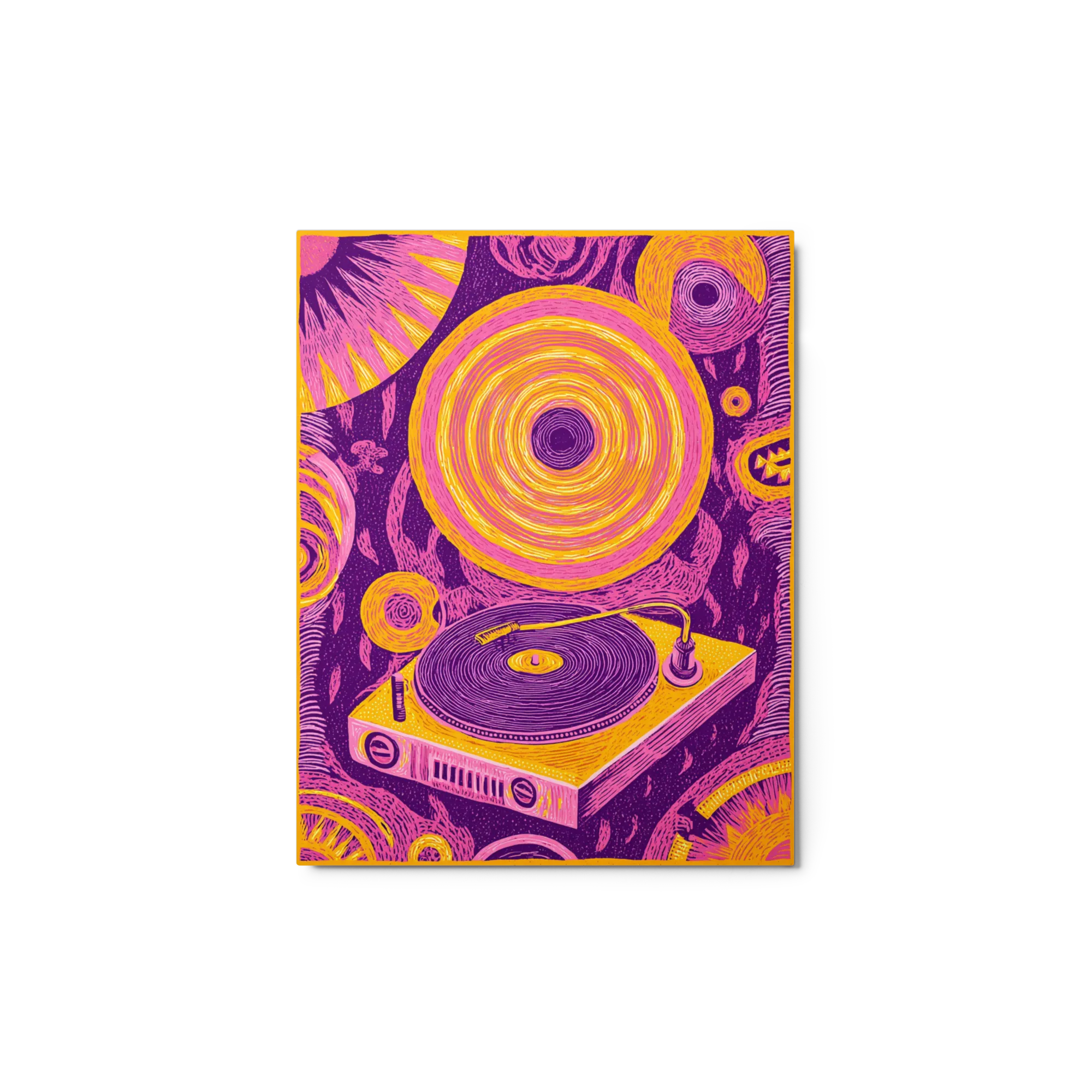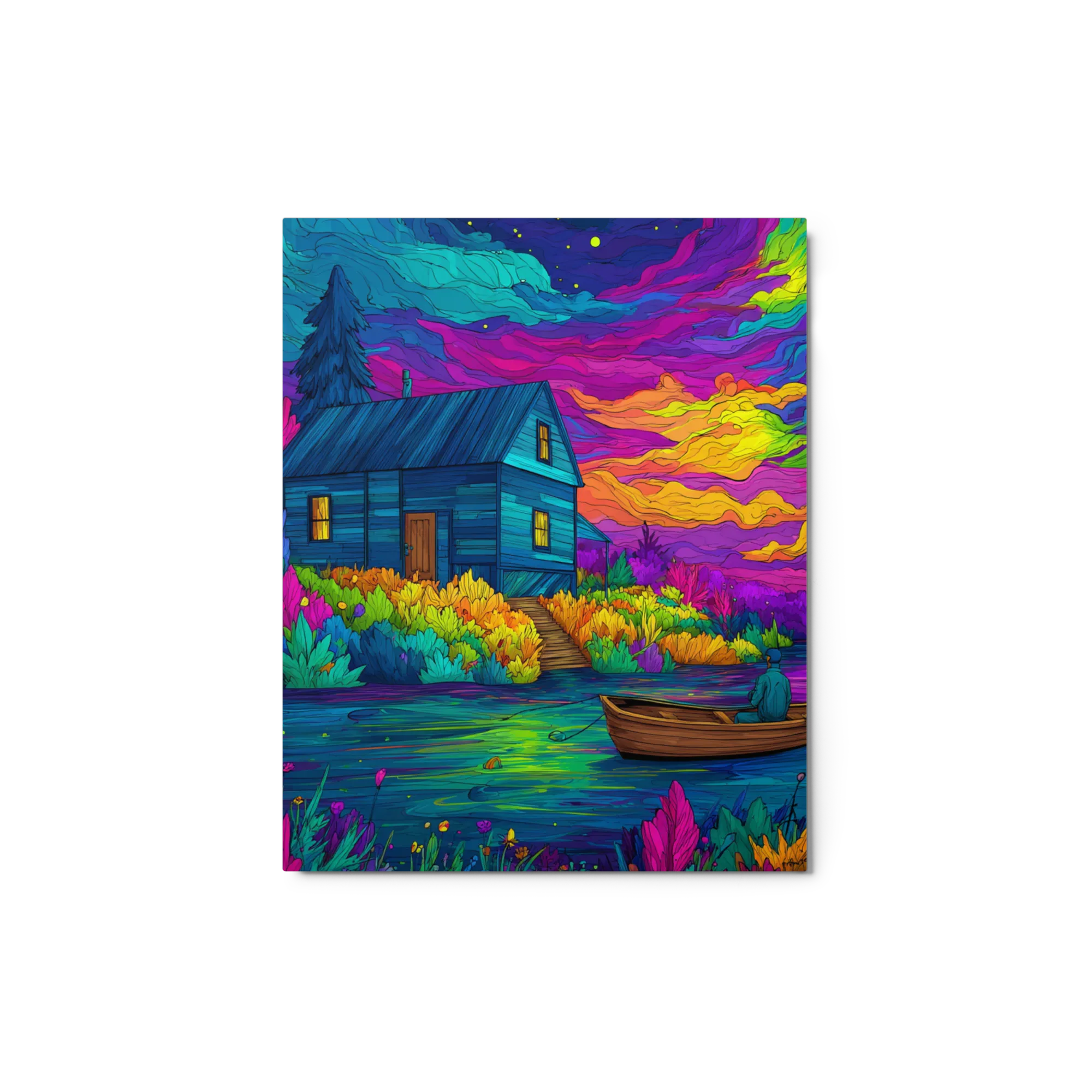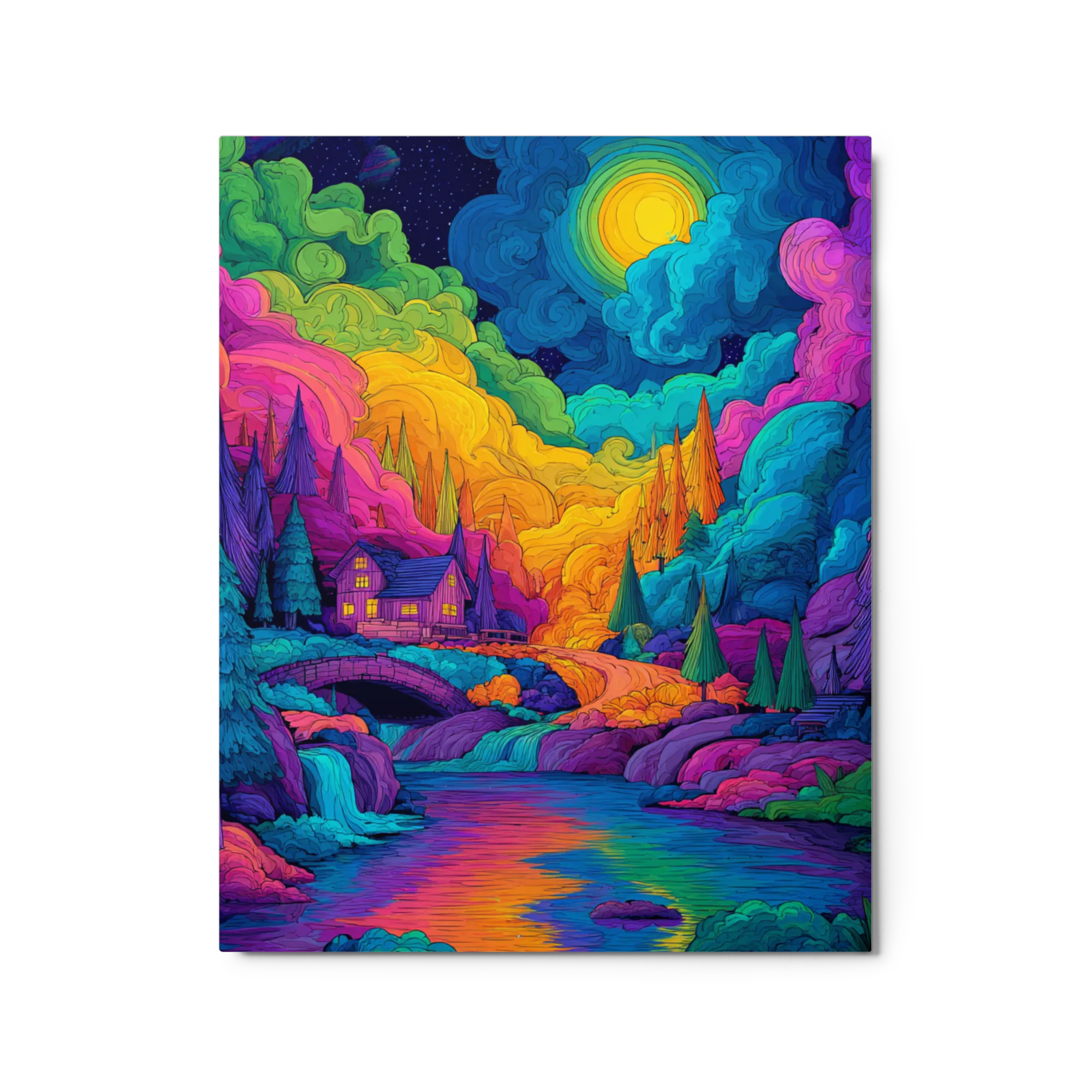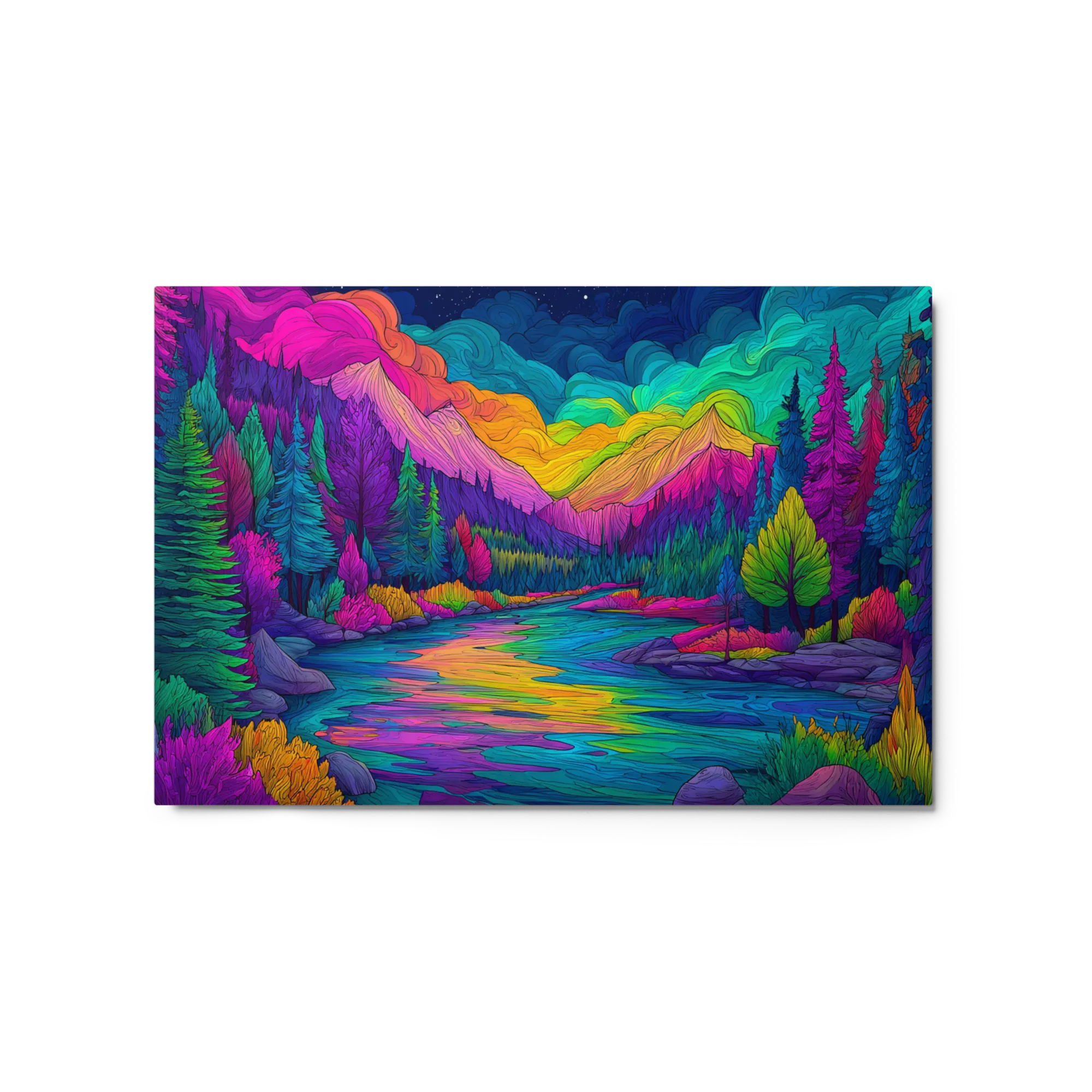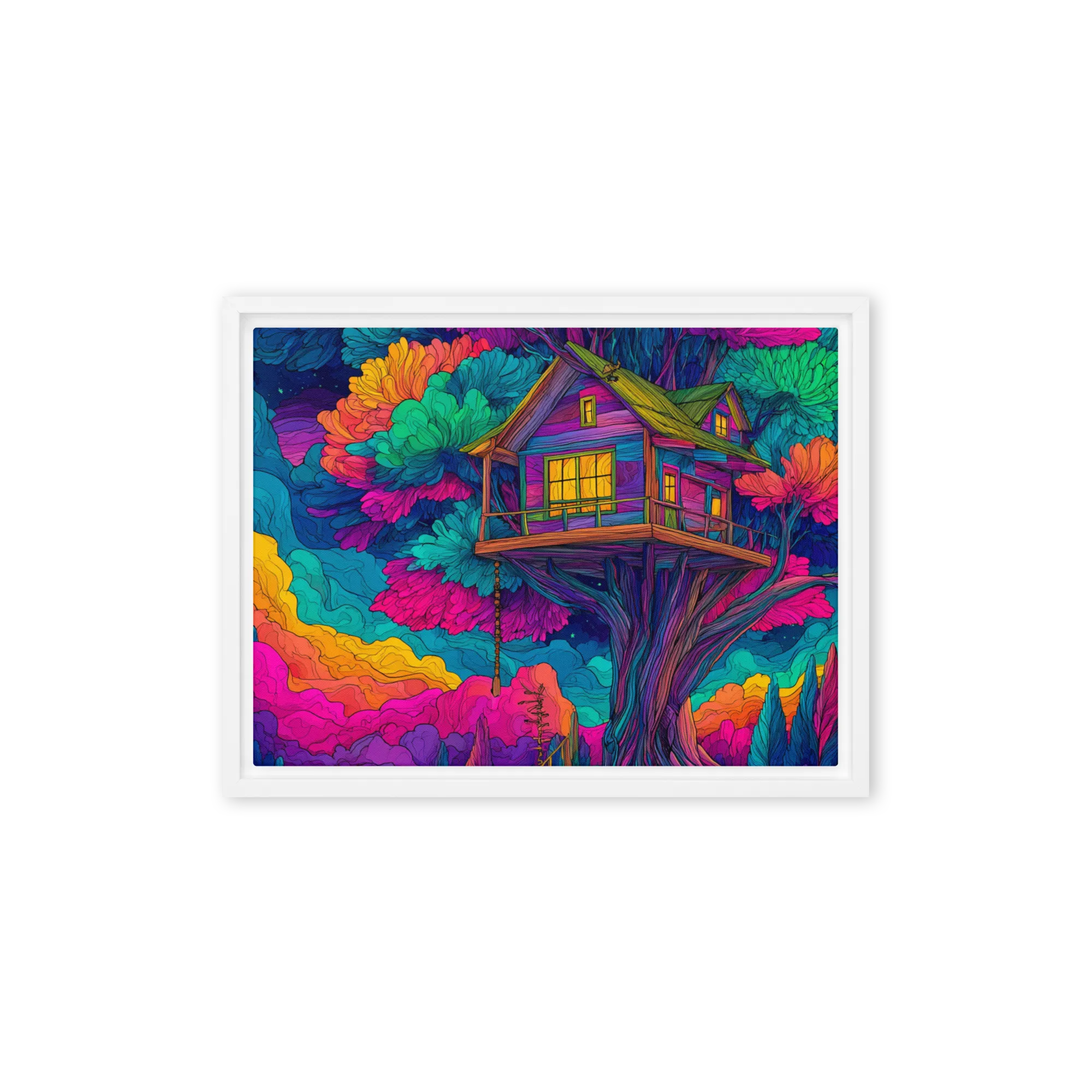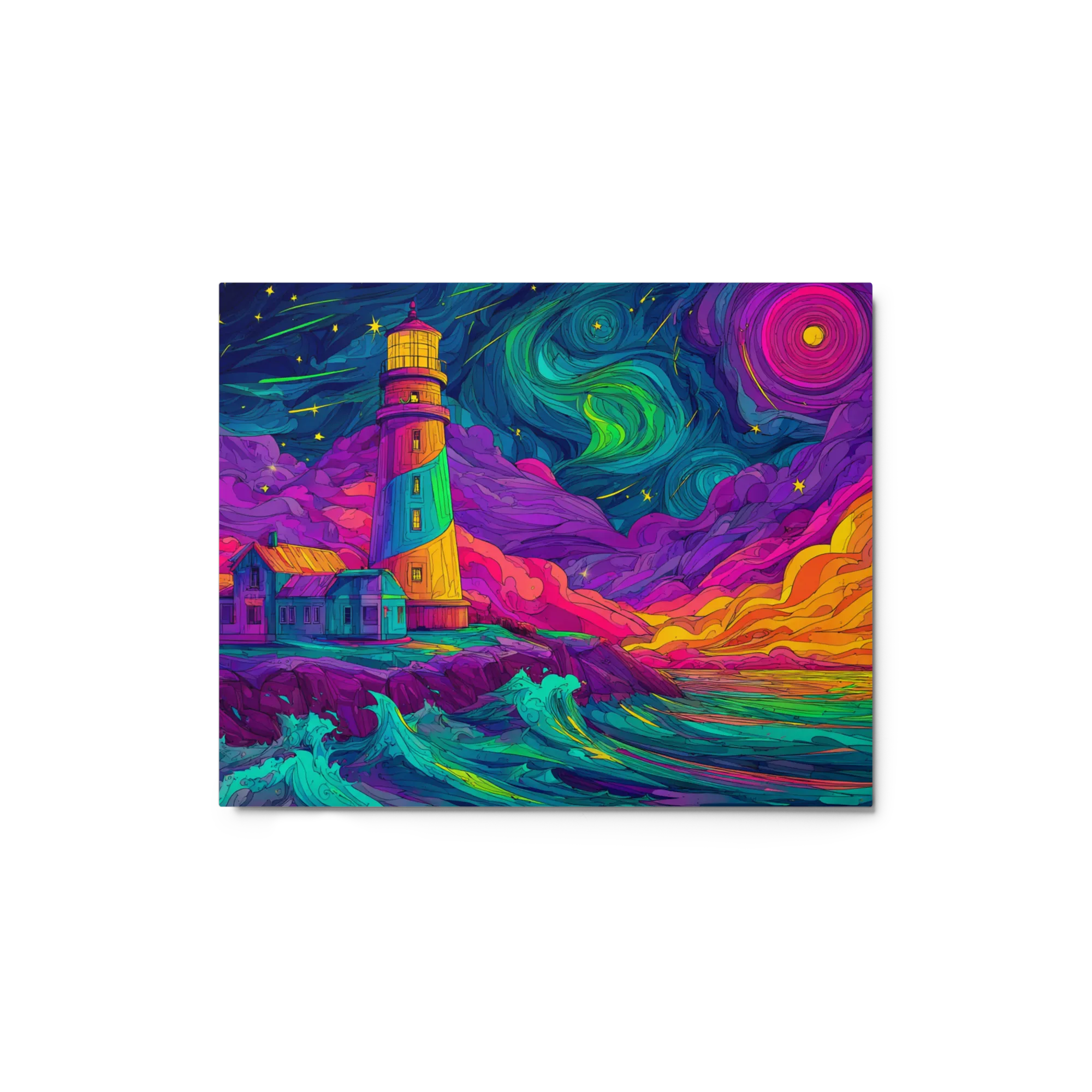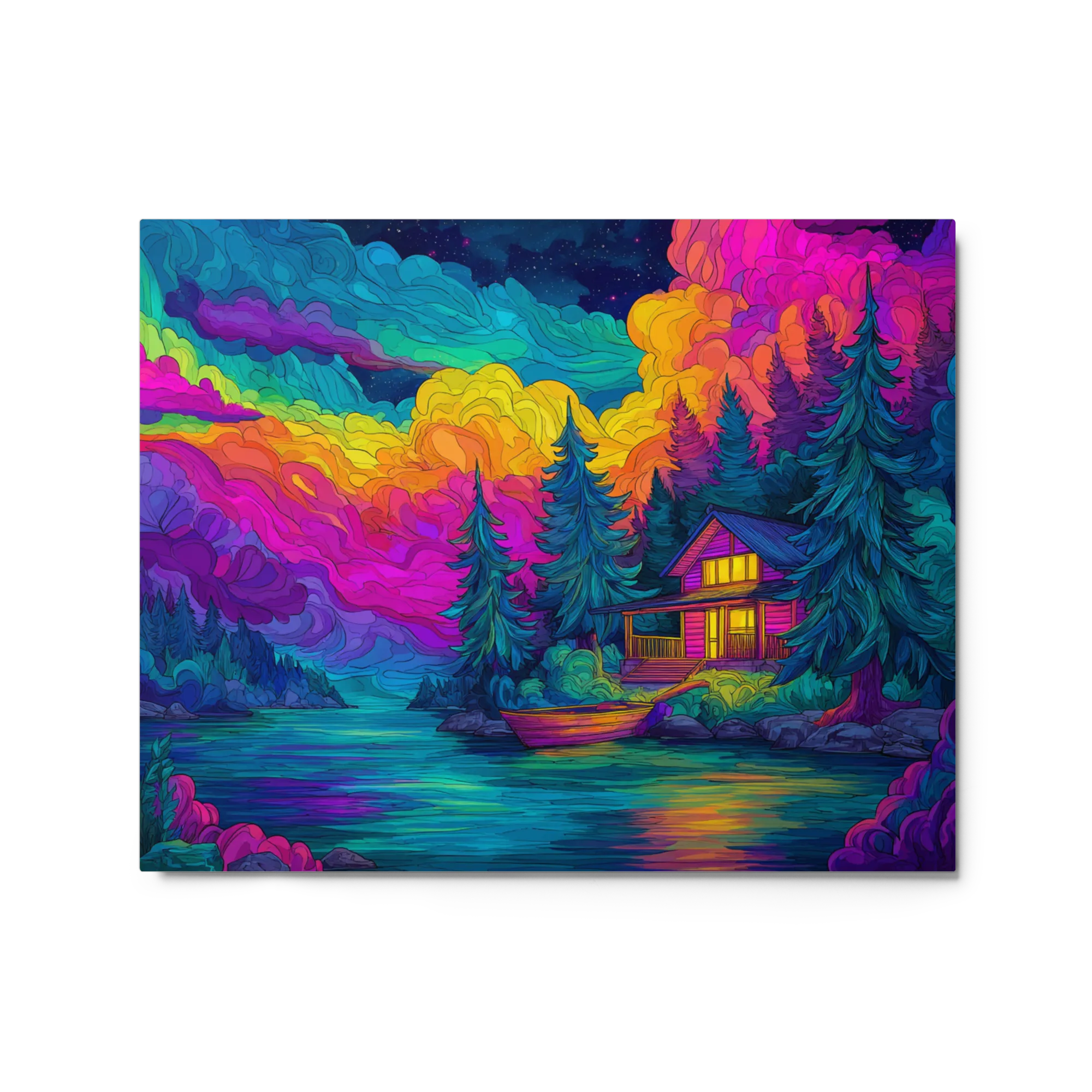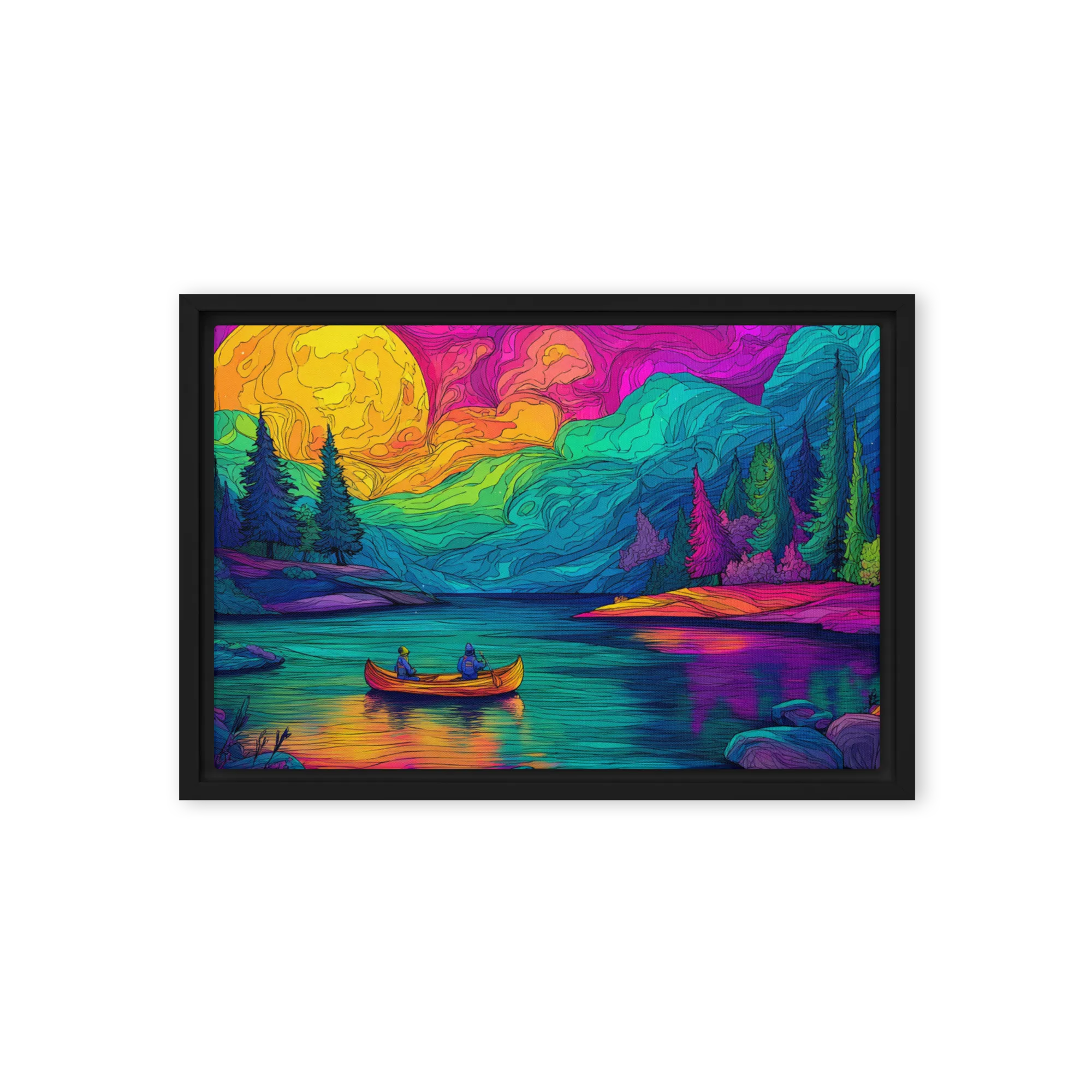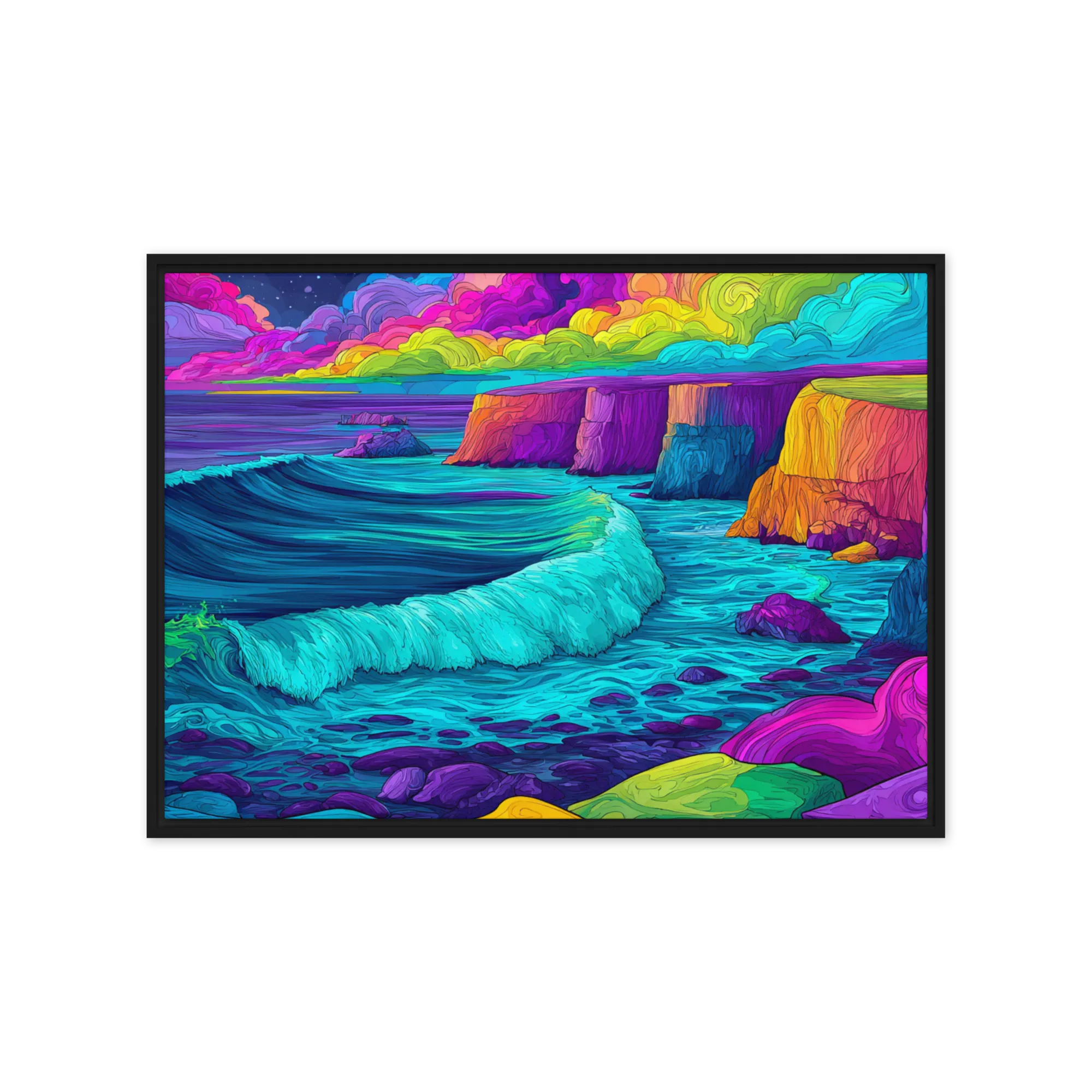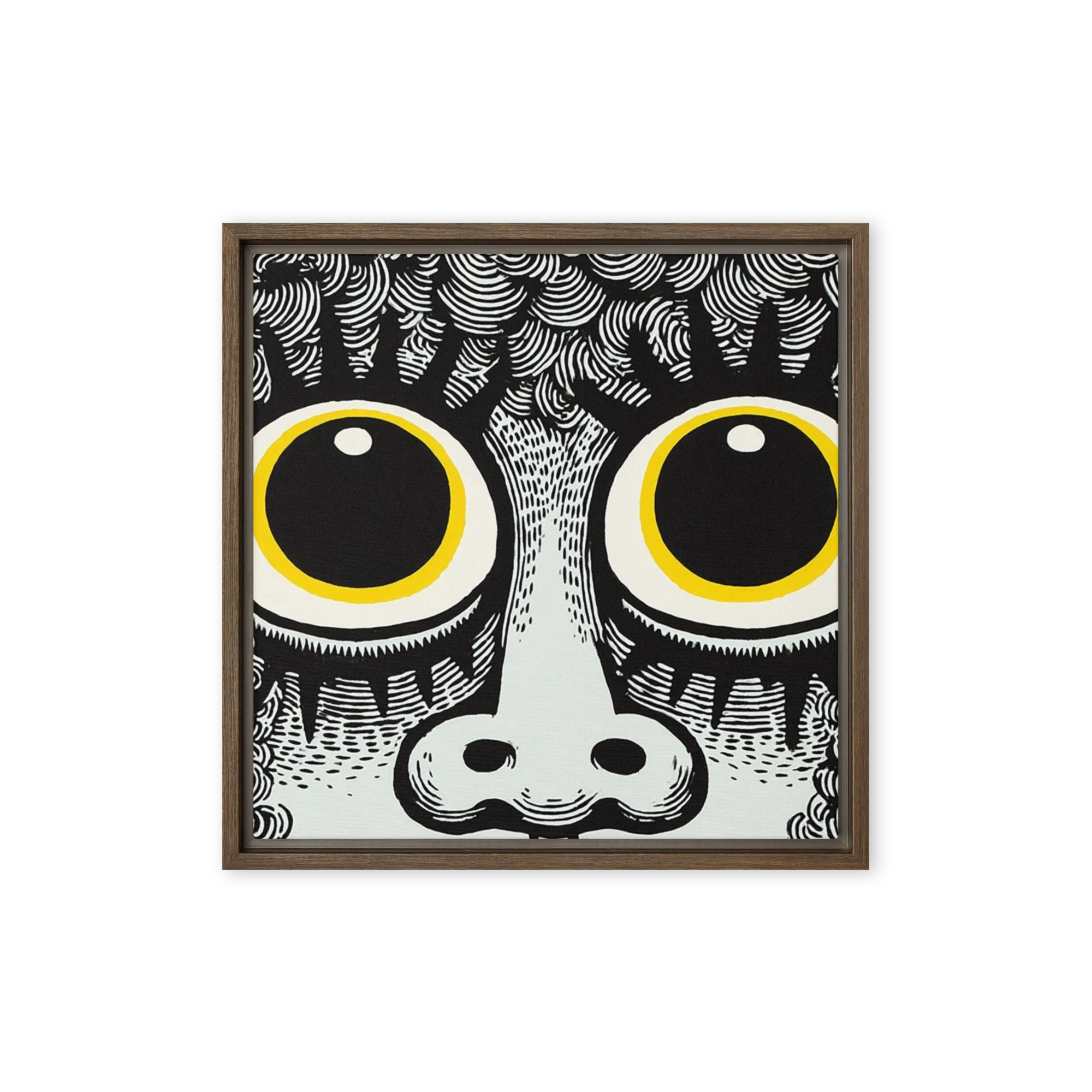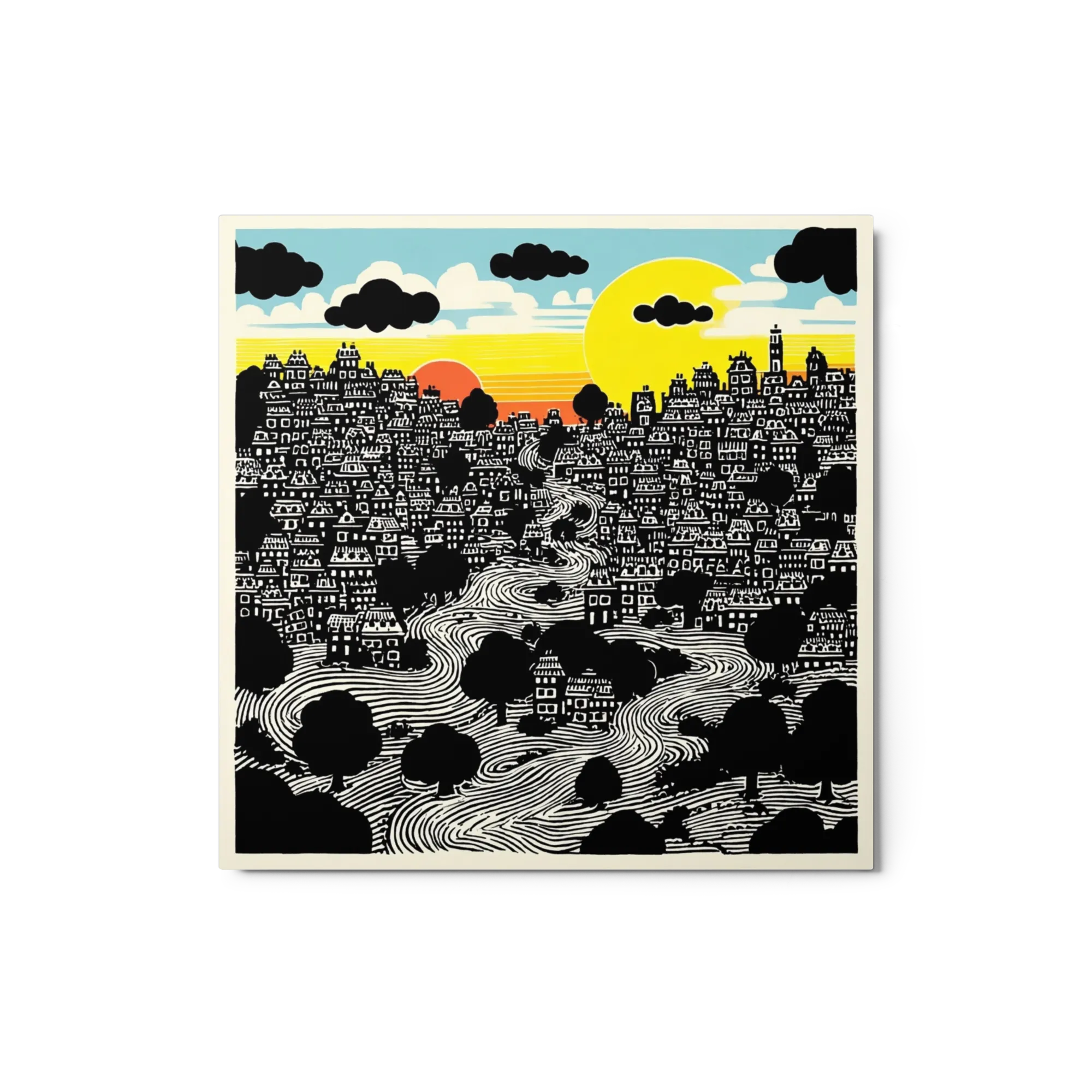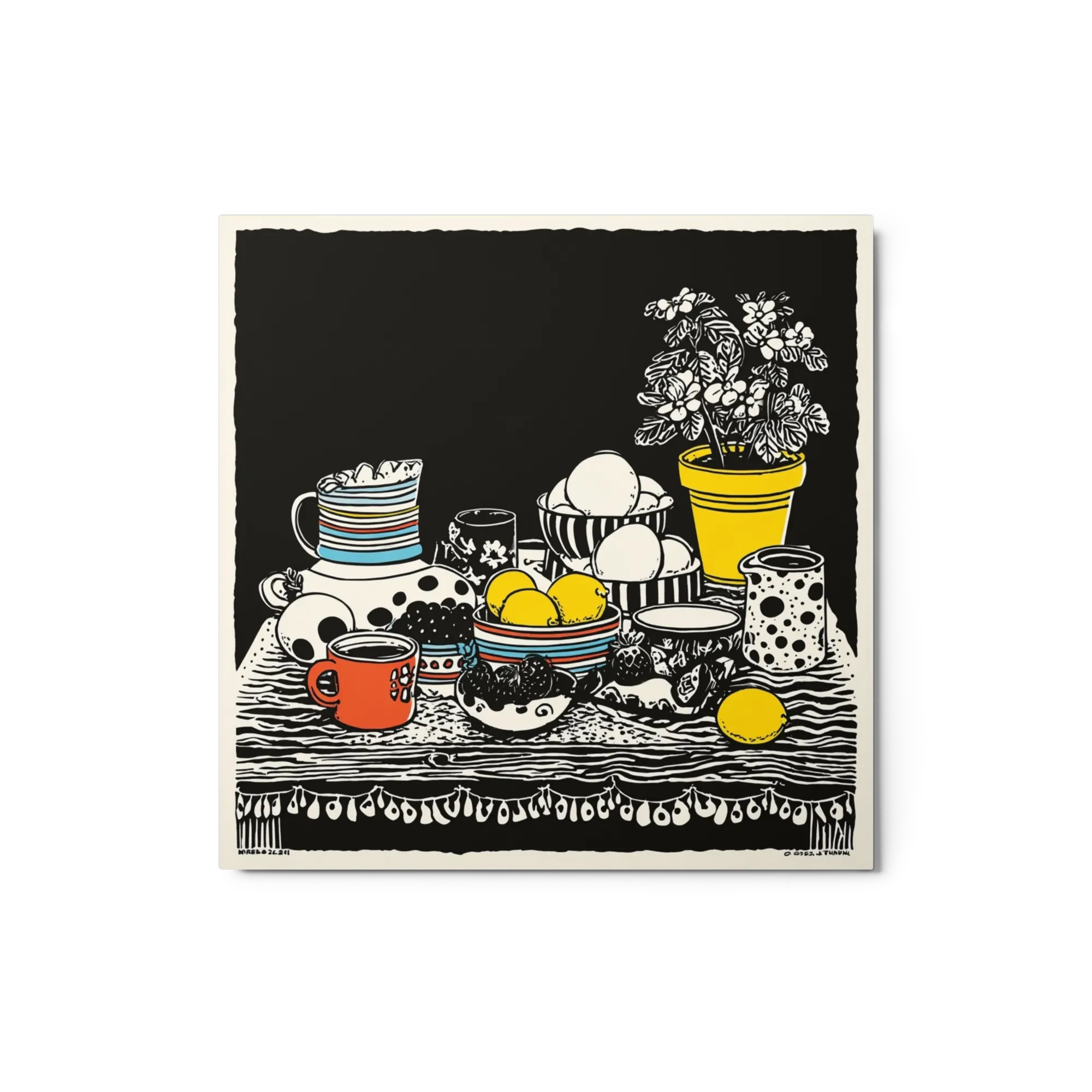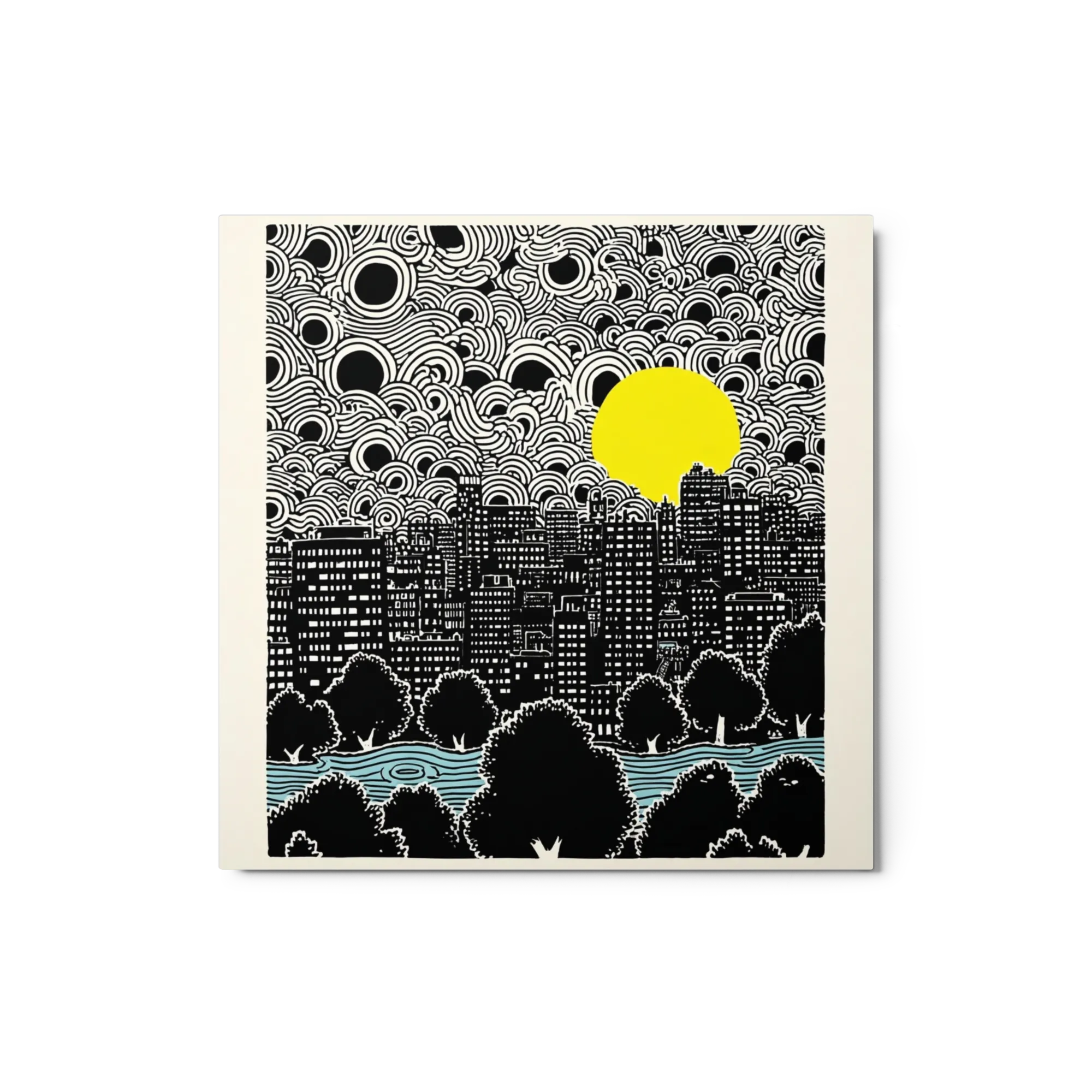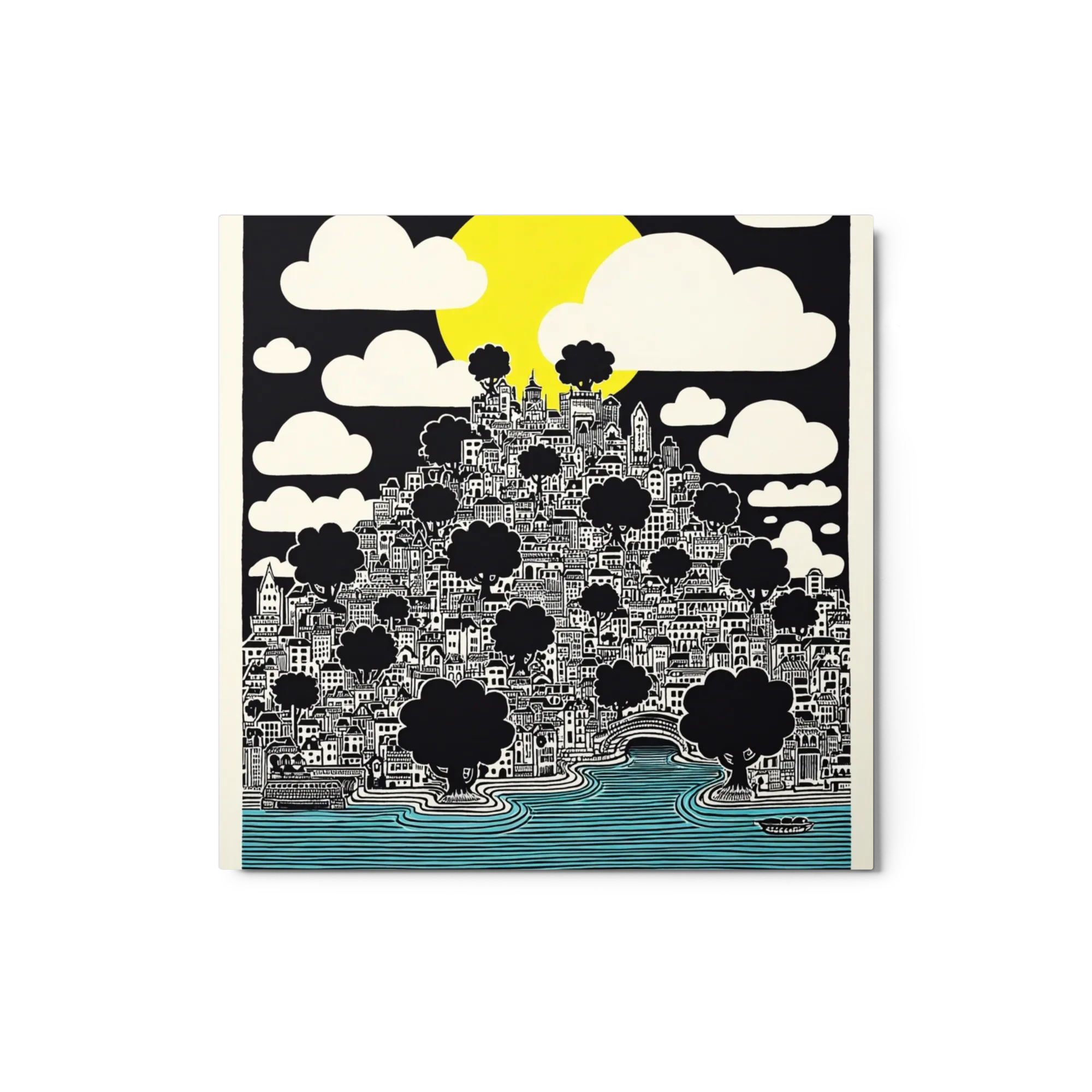
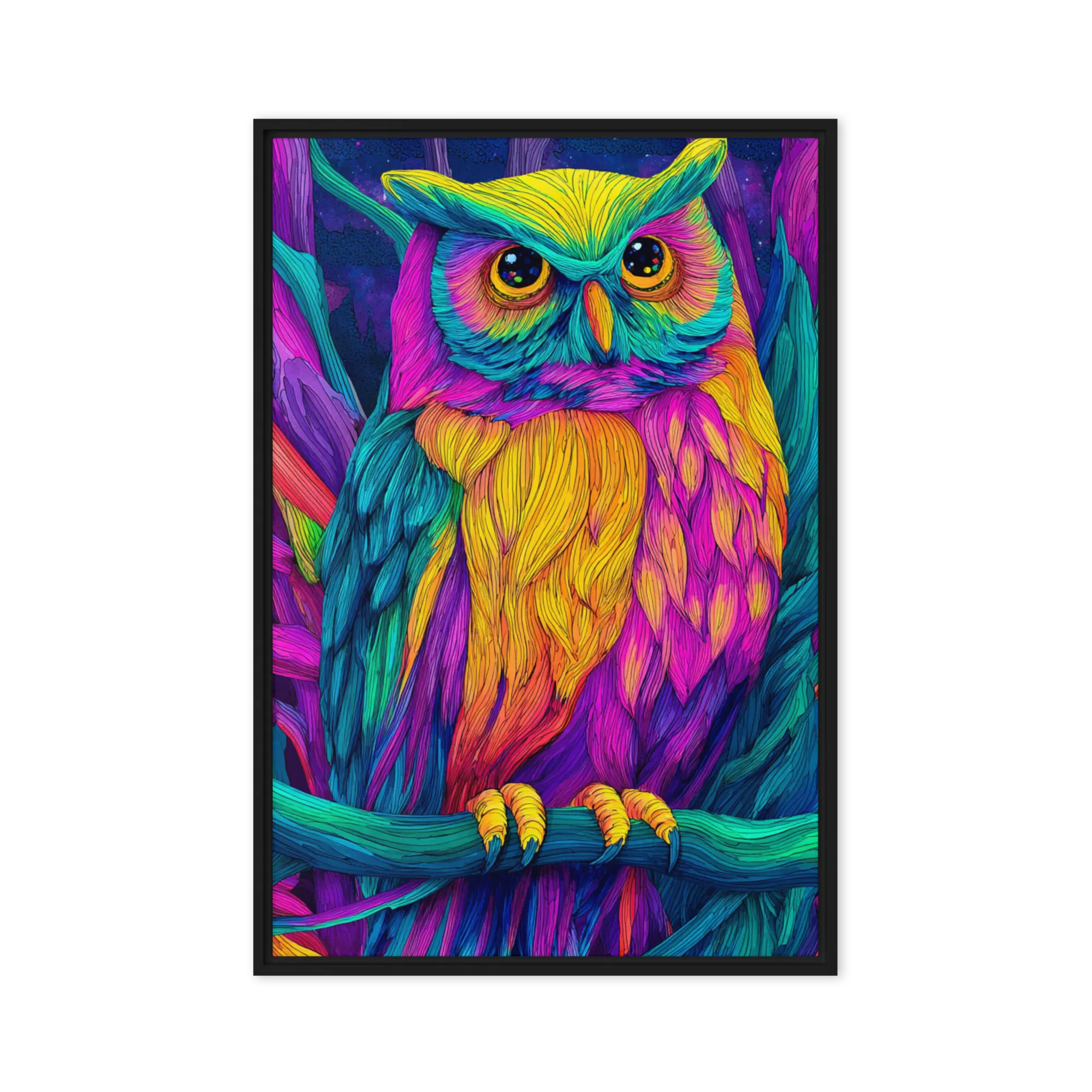
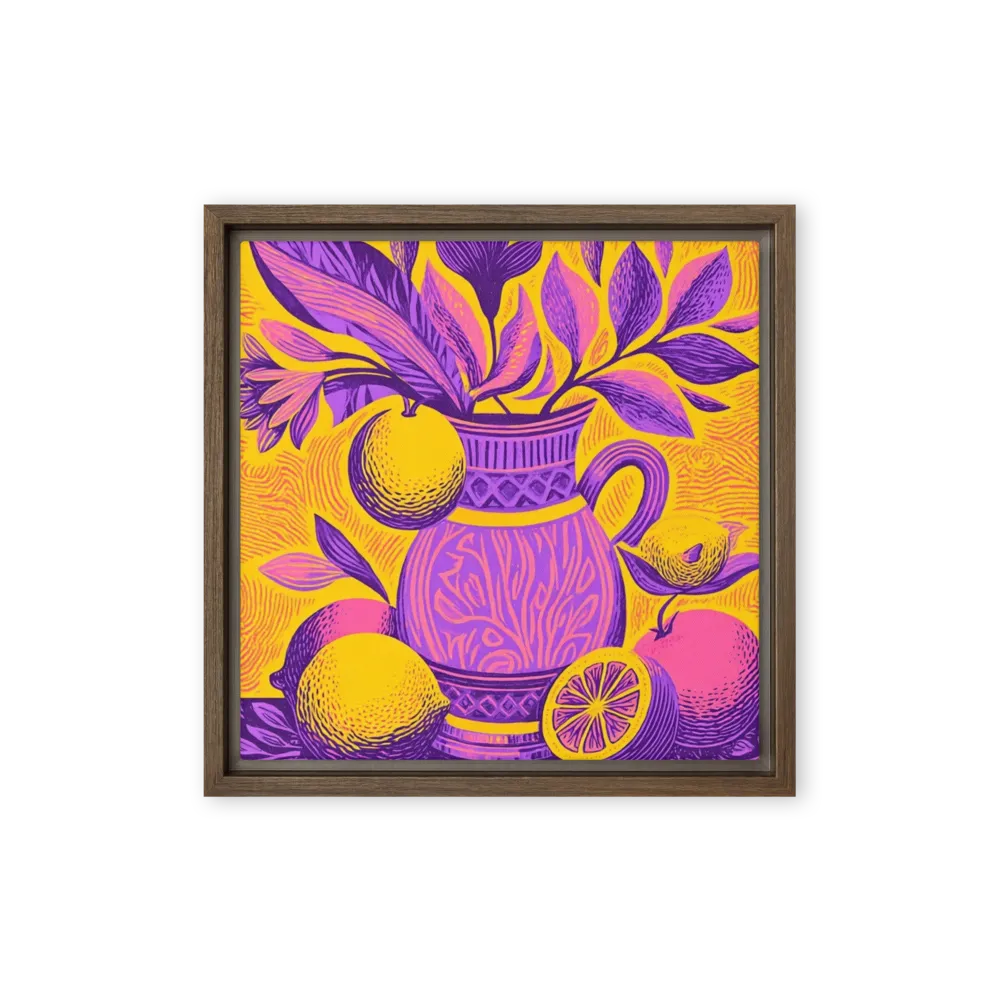
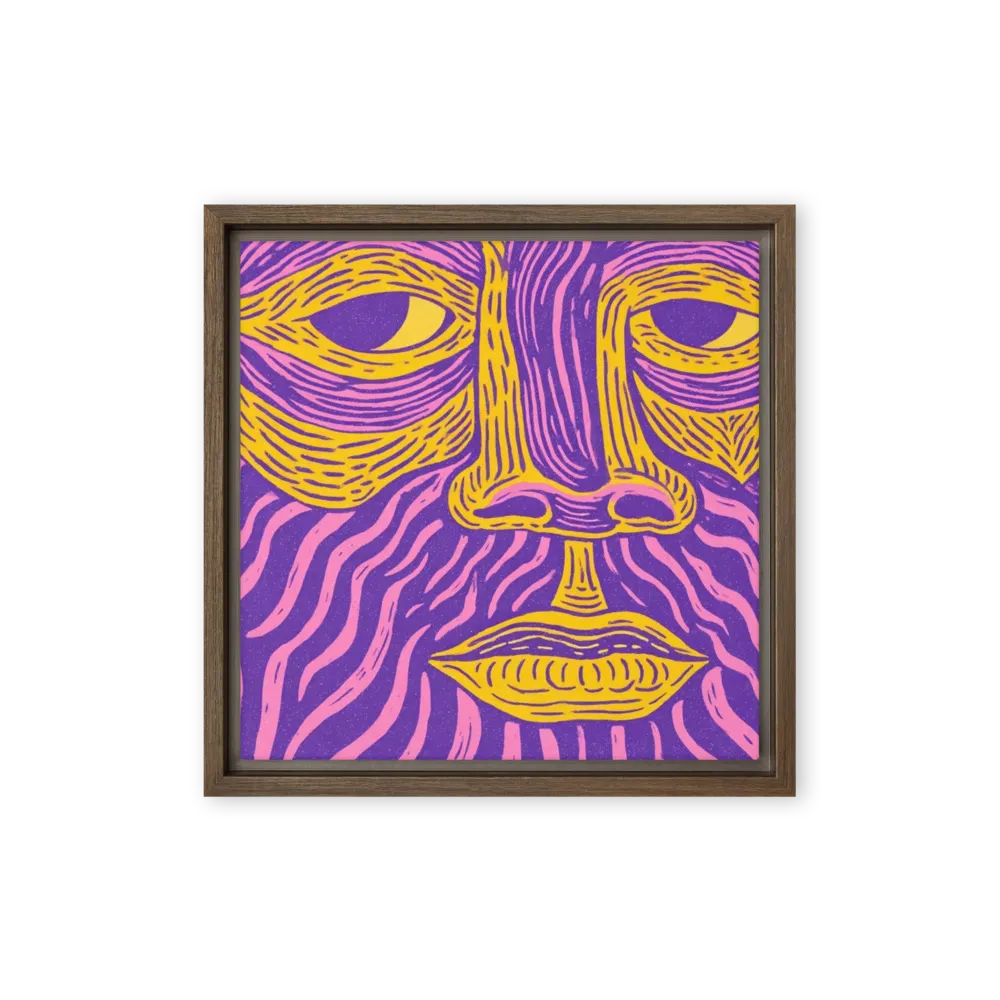
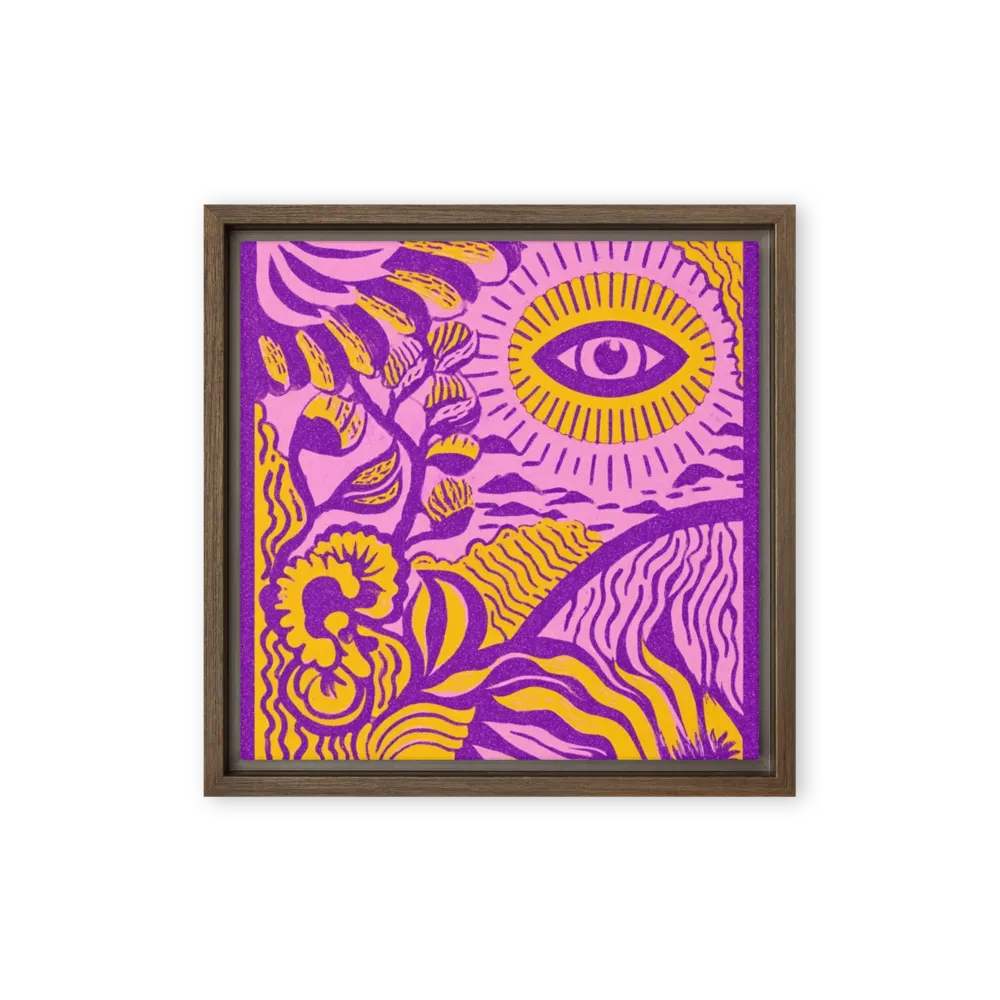
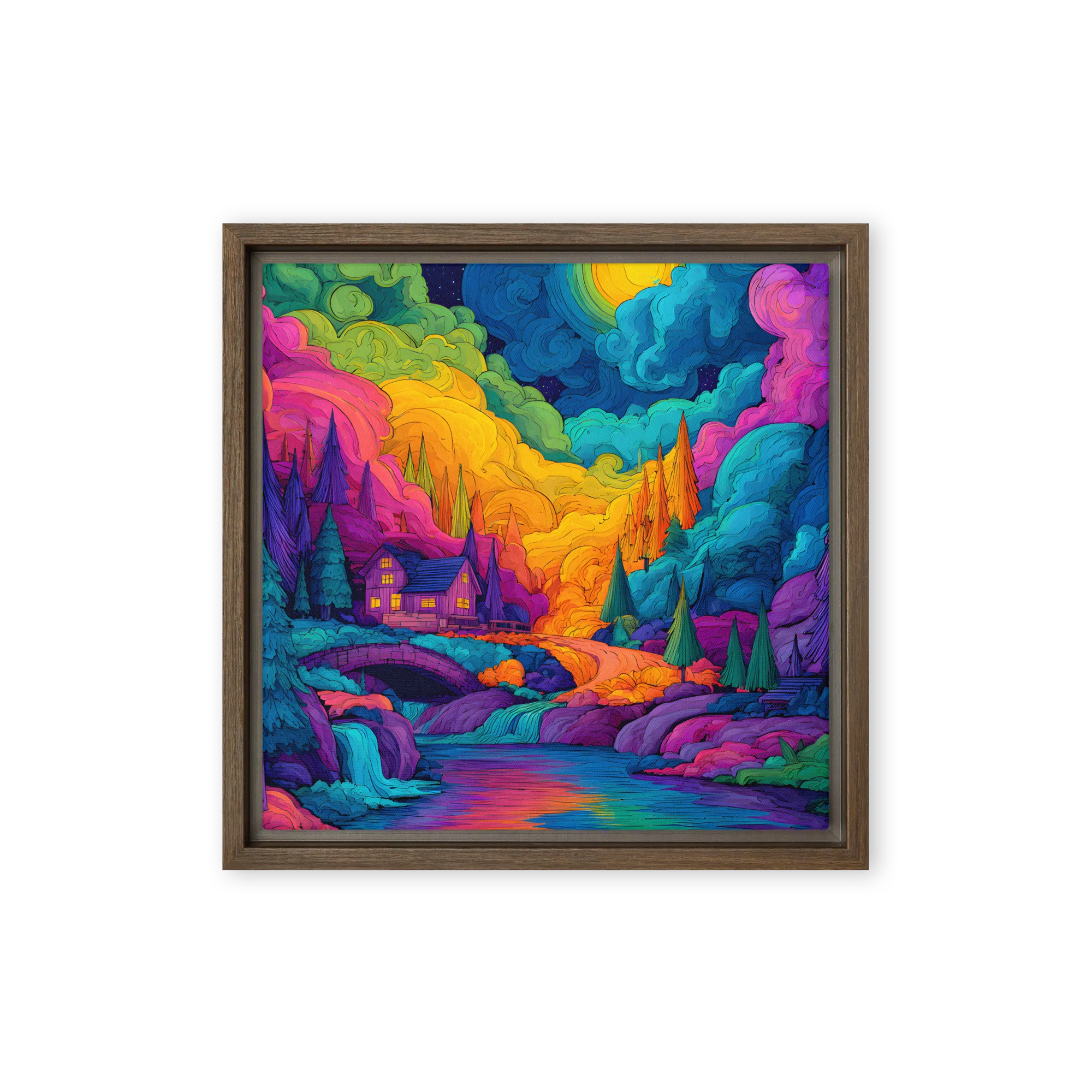
Swirling, kaleidoscopic prints in full saturation — melted line, neon dreamscapes and optical warp — made to order in every size.
Explore Psychedelic & PopSwirling, kaleidoscopic prints in full saturation — melted line, neon dreamscapes and optical warp — made to order in every size.
Explore Psychedelic & Pop
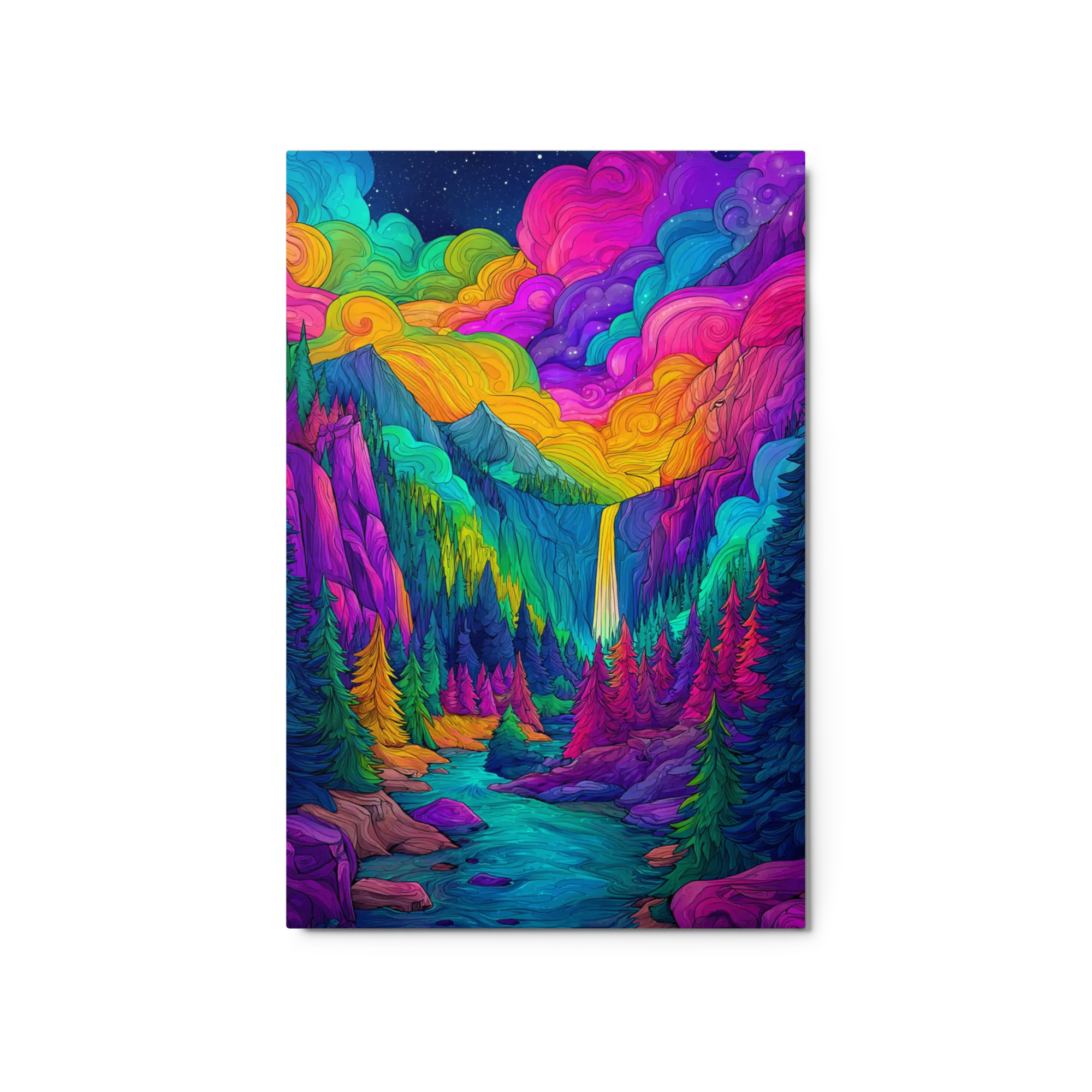
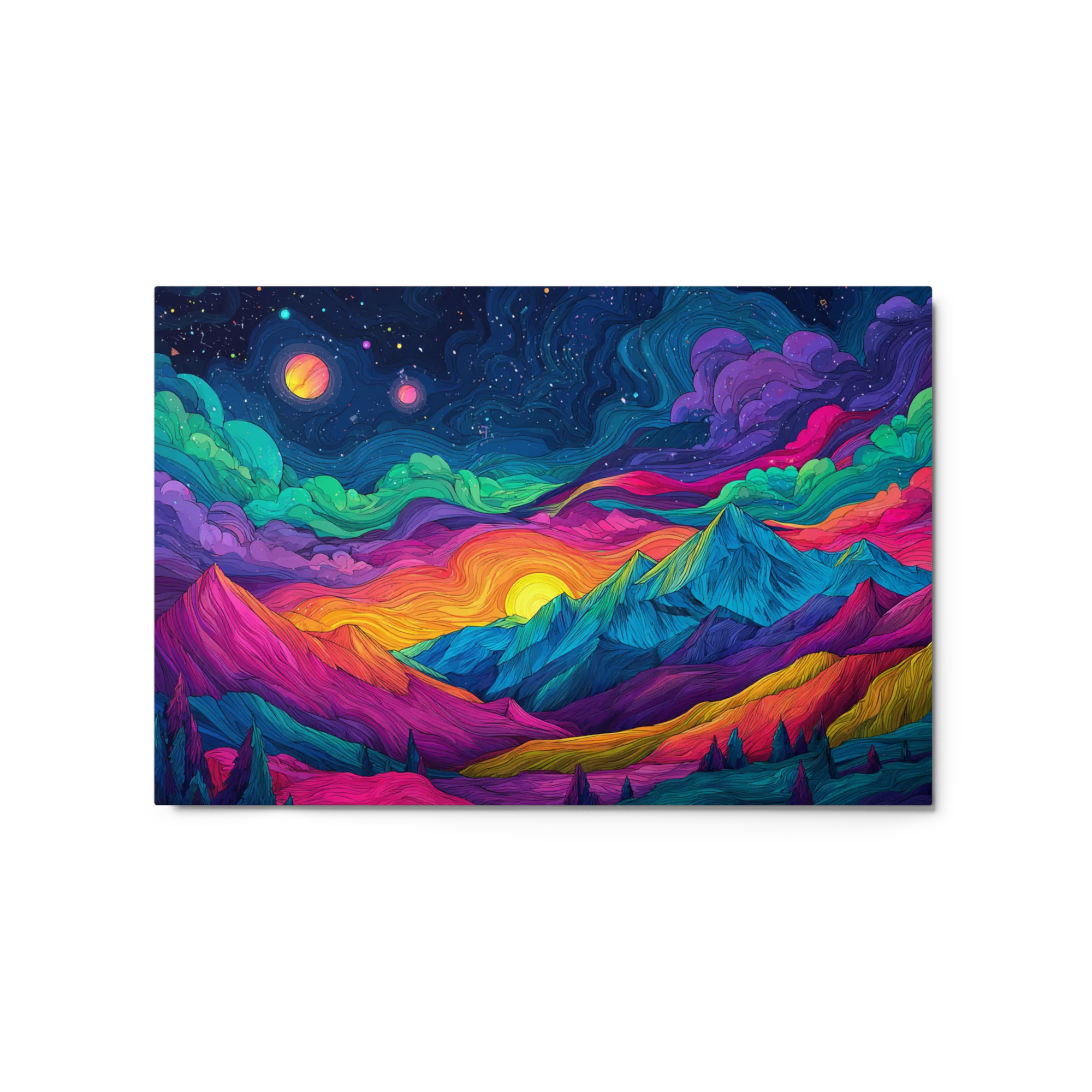
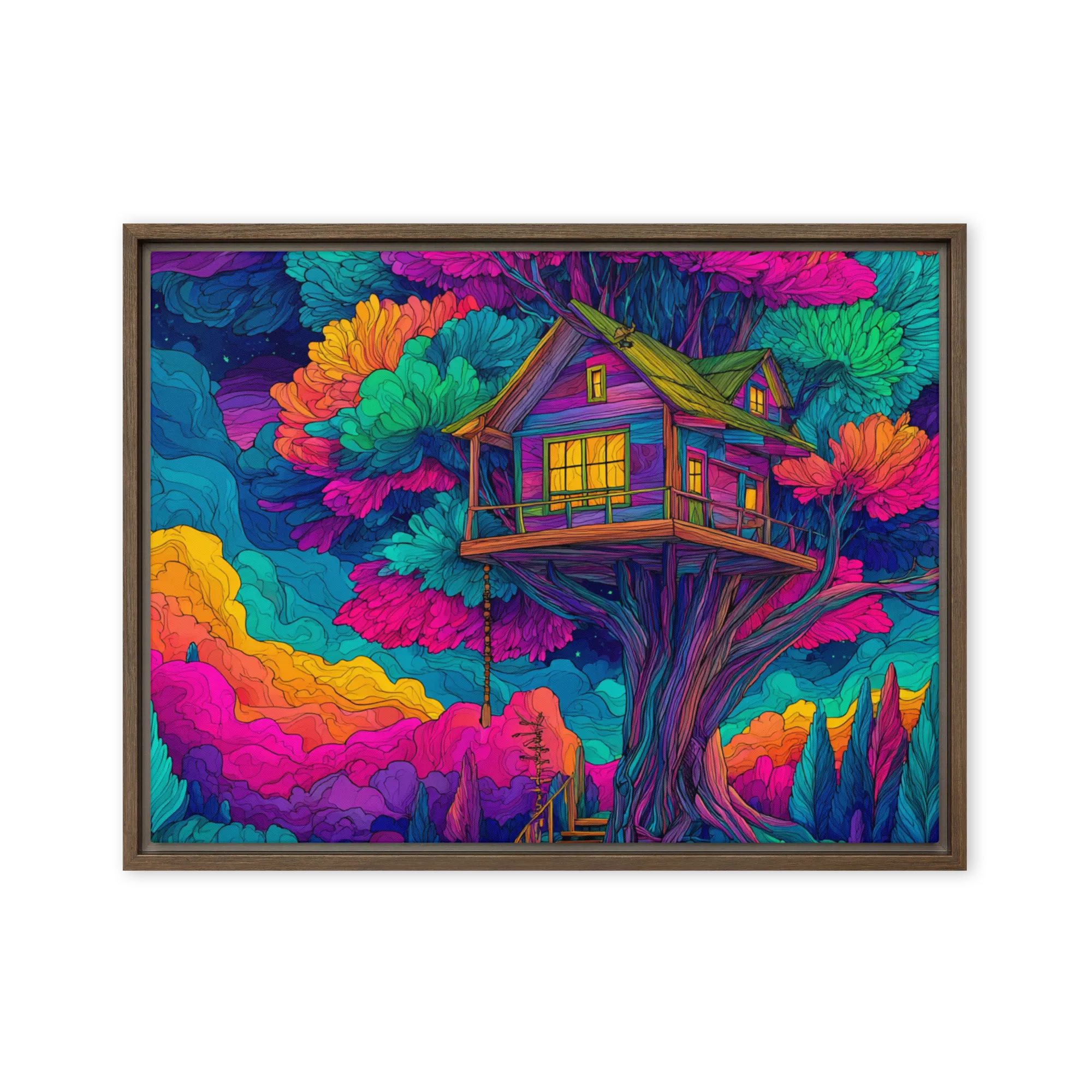
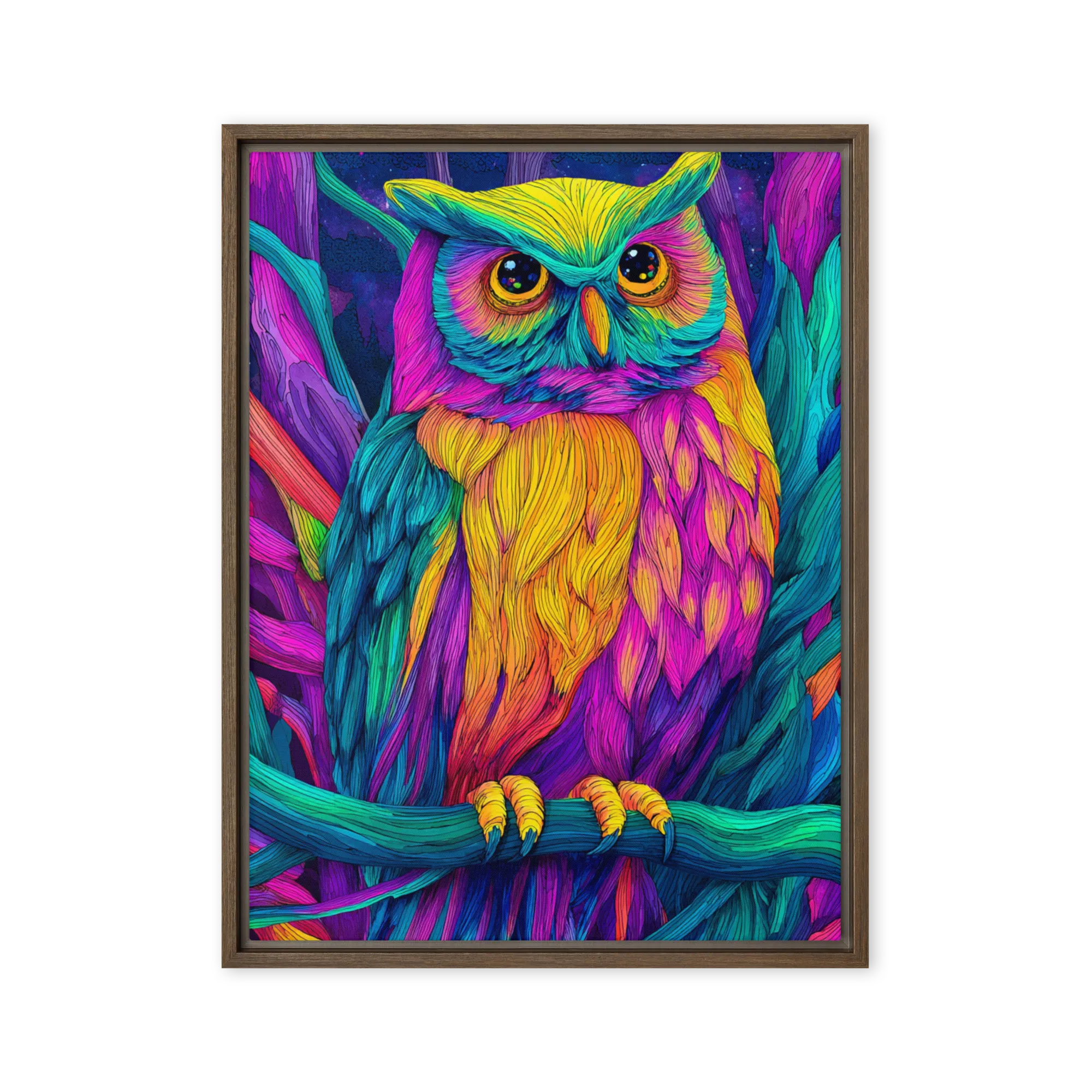
Mirrored pattern and neon dreamscape stack into trippy wall decor that holds a living-room wall with the volume turned all the way up.
Shop Psychedelic & PopMirrored pattern and neon dreamscape stack into trippy wall decor that holds a living-room wall with the volume turned all the way up.
Shop Psychedelic & PopPsychedelic wall art is defined less by subject than by treatment — melted line, saturated colour that refuses to sit still, and repetition that pulls the eye in circles. The style borrows from 1960s poster art and from the riso and blockprint revival that followed it, so you'll find everything here from swirling linocut reverie to neon astral dreamscapes rendered in electric ultraviolet.
Because these prints carry so much colour energy, they work best where they can be the loudest thing in the room — a studio wall, a music corner, a hallway that needs waking up. Hang one large piece as a single anchor rather than a busy cluster, and keep the surrounding wall plain. Every design is made to order on archival paper, canvas or metal, so you can match the finish to the light the room actually gets.
Psychedelic work distorts as well as saturates. Look for melting or warping line, kaleidoscopic repetition, and colours pushed past what the eye expects — a merely colourful print keeps its shapes stable, while a psychedelic one bends them.
Rooms that can carry a loud focal point: studios, music and games rooms, teen bedrooms, and hallways. Keep the wall around it plain and let the print do the work — psychedelic pieces compete badly with patterned wallpaper or a gallery cluster.
Metal holds saturated colour with the most punch and suits neon-leaning designs. Canvas softens the palette slightly and reads warmer. Framed paper sits in between and is the safest choice if the room already has a lot going on.
Go bigger than you think. These designs rely on immersion, so a single large piece — roughly two-thirds the width of the furniture below it — lands far better than several small ones, which fragment the pattern.

 Por paleta
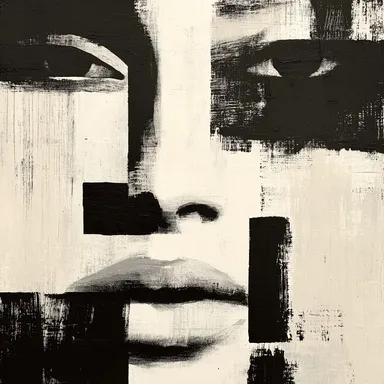 Preto & Branco
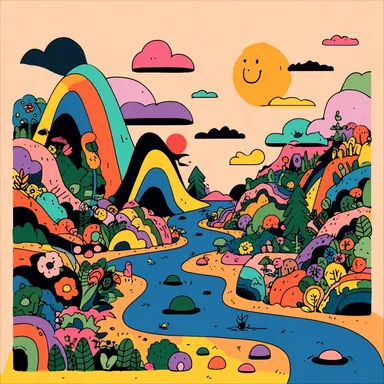 Colorido
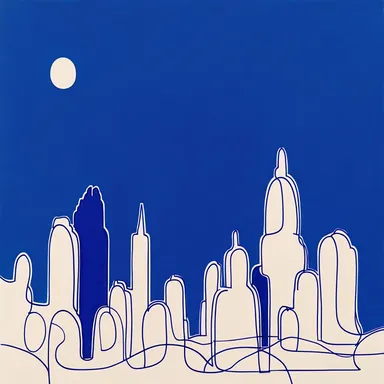 Sentimento Azul
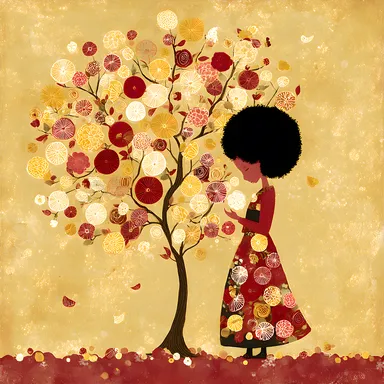 Toque Dourado
 Purple Reign
 Burnt Orange
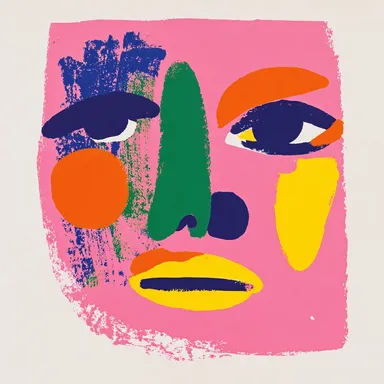 In the Pink
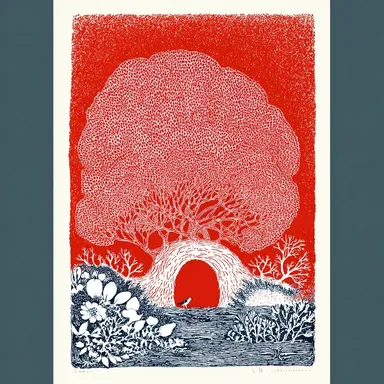 Seeing Red
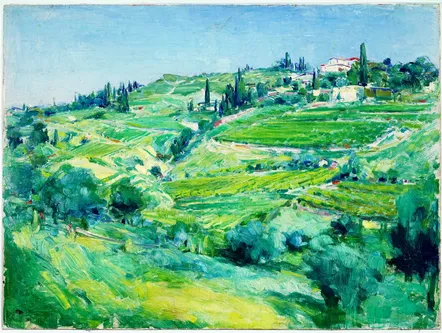 Evergreen
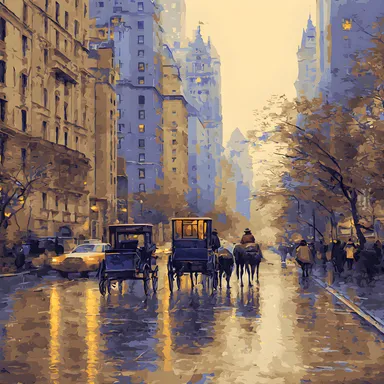 Mapas & Amantes de Cidades
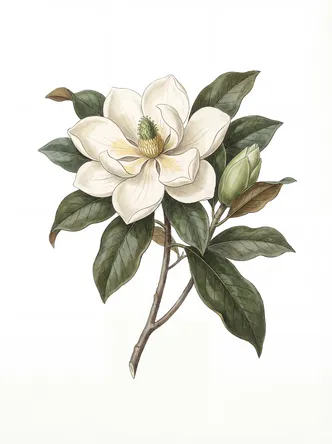 Paisagens & Natureza
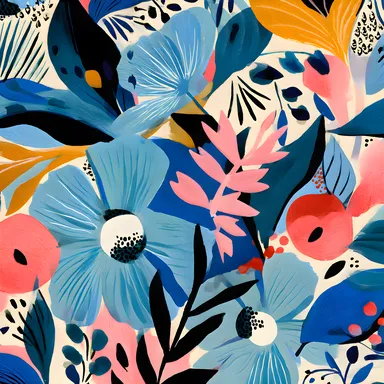 Botânico & Floral
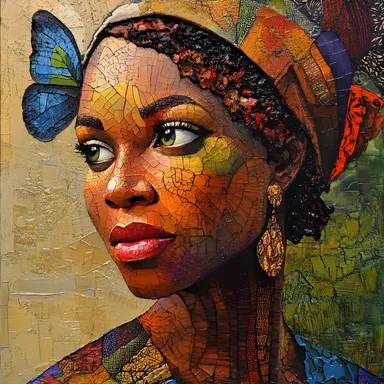 Figurativo & Retratos
 Viagem
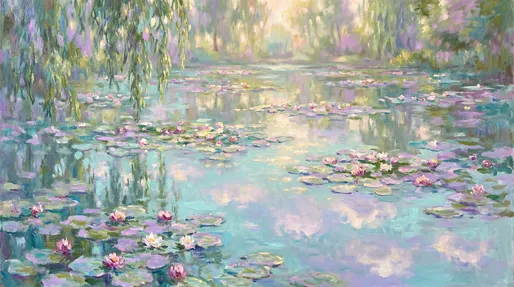 Vintage & Arte Famosa
 Fotografia
 Abstrato
 Aquarelas
 Arte Linear
 Pastéis
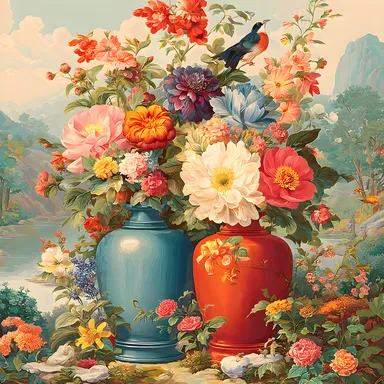 Vintage & Retrô
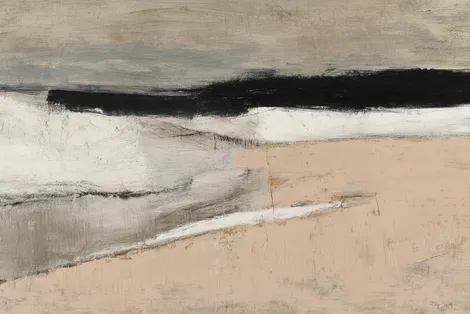 Minimalista
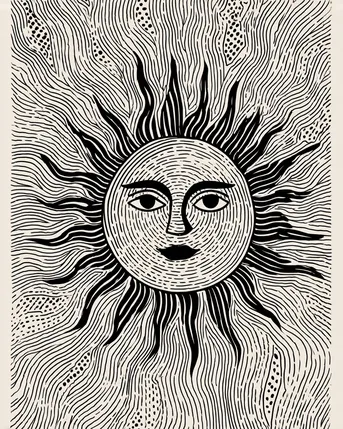 Xilogravura e linogravura
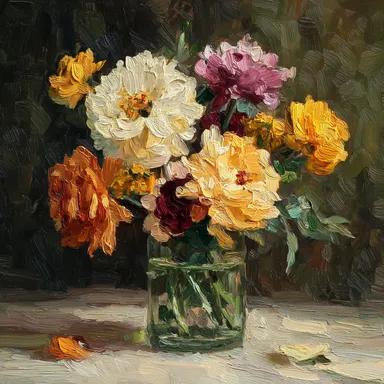 Impasto e textura
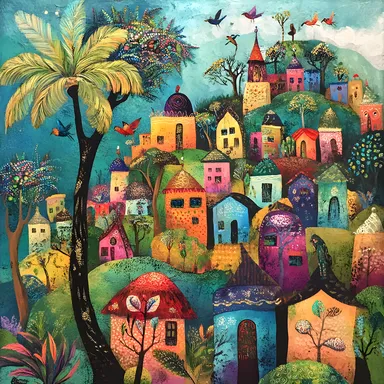 Folk e naïf
 Por Cômodo
 Sala de Estar
 Quarto
 In the Office
 Cozinha
 Quarto do Bebê
 Quarto Infantil
 No Banheiro
 For Your Business
 By Colour
 Botanical & Floral
 Maps & Cities
 Line Art & Figures
 Minimalista e moderno
 Vintage e retro
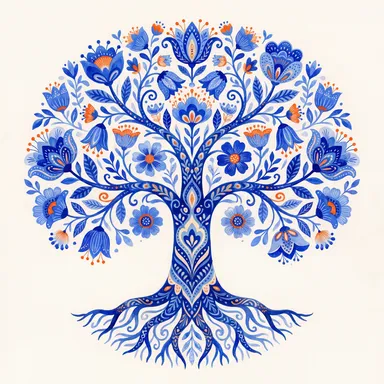 Floral e botânico
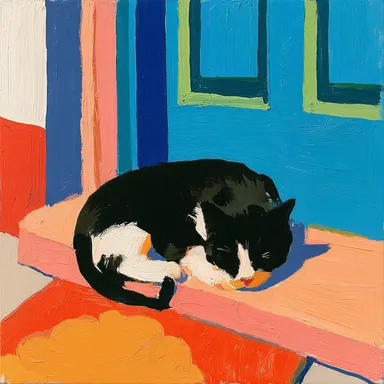 Gatos e animais
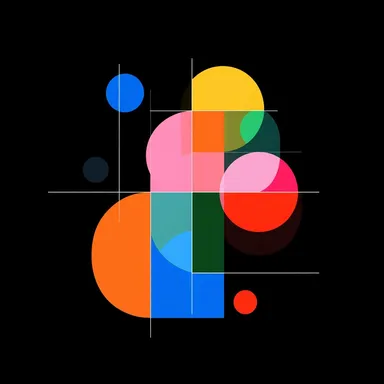 Abstrato e geométrico
 Botânica
 Amigos de Quatro Patas
 Paisagens
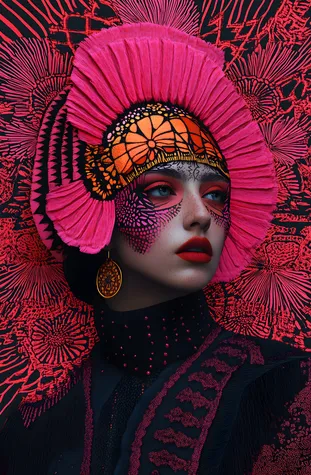 Fotografia
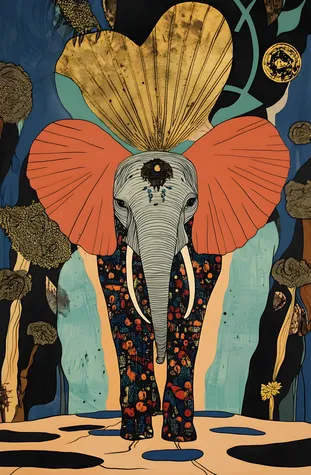 Pop Art & Gráficos Ousados
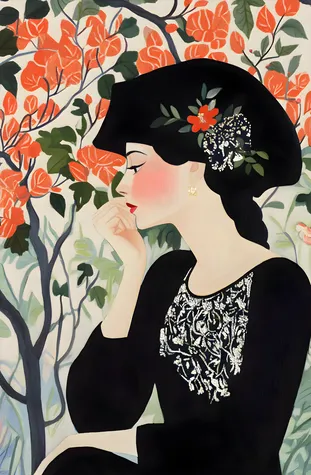 Art Nouveau
 Os Impressionistas
 Monocromáticos
 Dinossauros